
NCC continuously invests in research and innovation.
We use the most up to date techniques and methods to record and monitor biodiversity on land and at sea.
NCC continuously modernizes its equipment and invests in specialized personnel and technologies so that it can carry out demanding ecological surveys on land and at sea. We have the appropriate means, equipment, and expertise to implement ecological studies using innovative methods, including visual, acoustic, marine, and aerial surveys.
.
.
MARINE SURVEYS
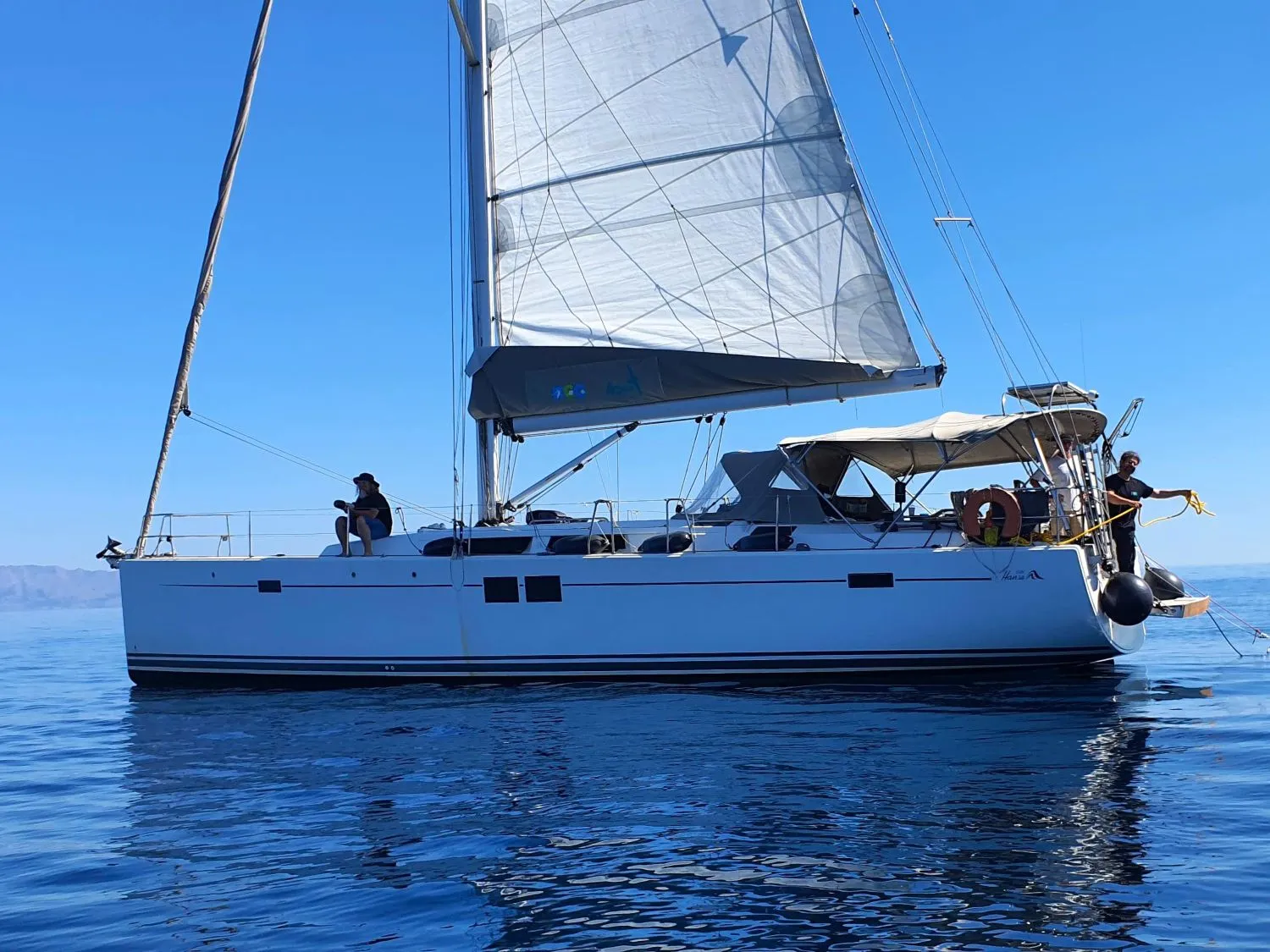
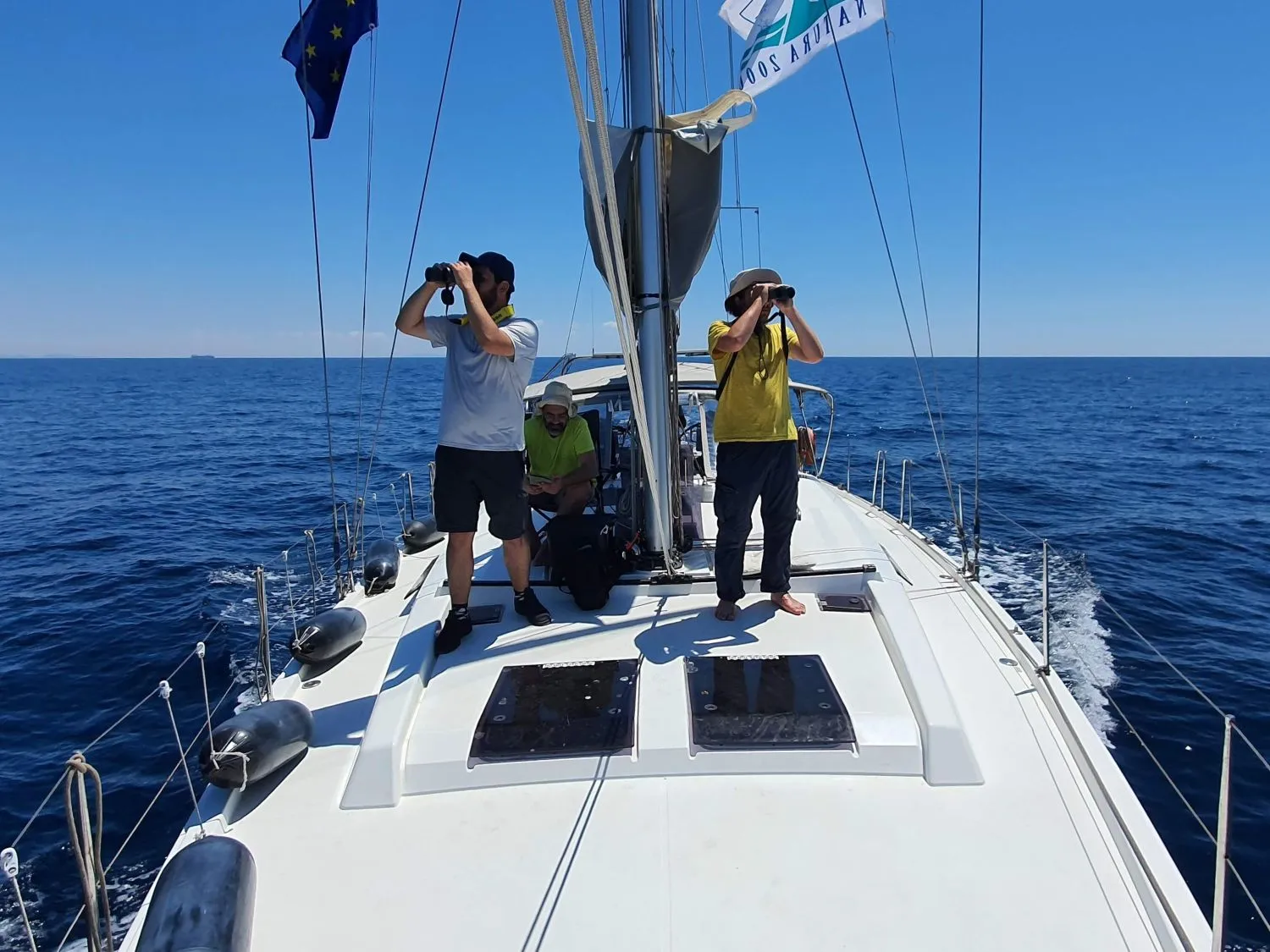
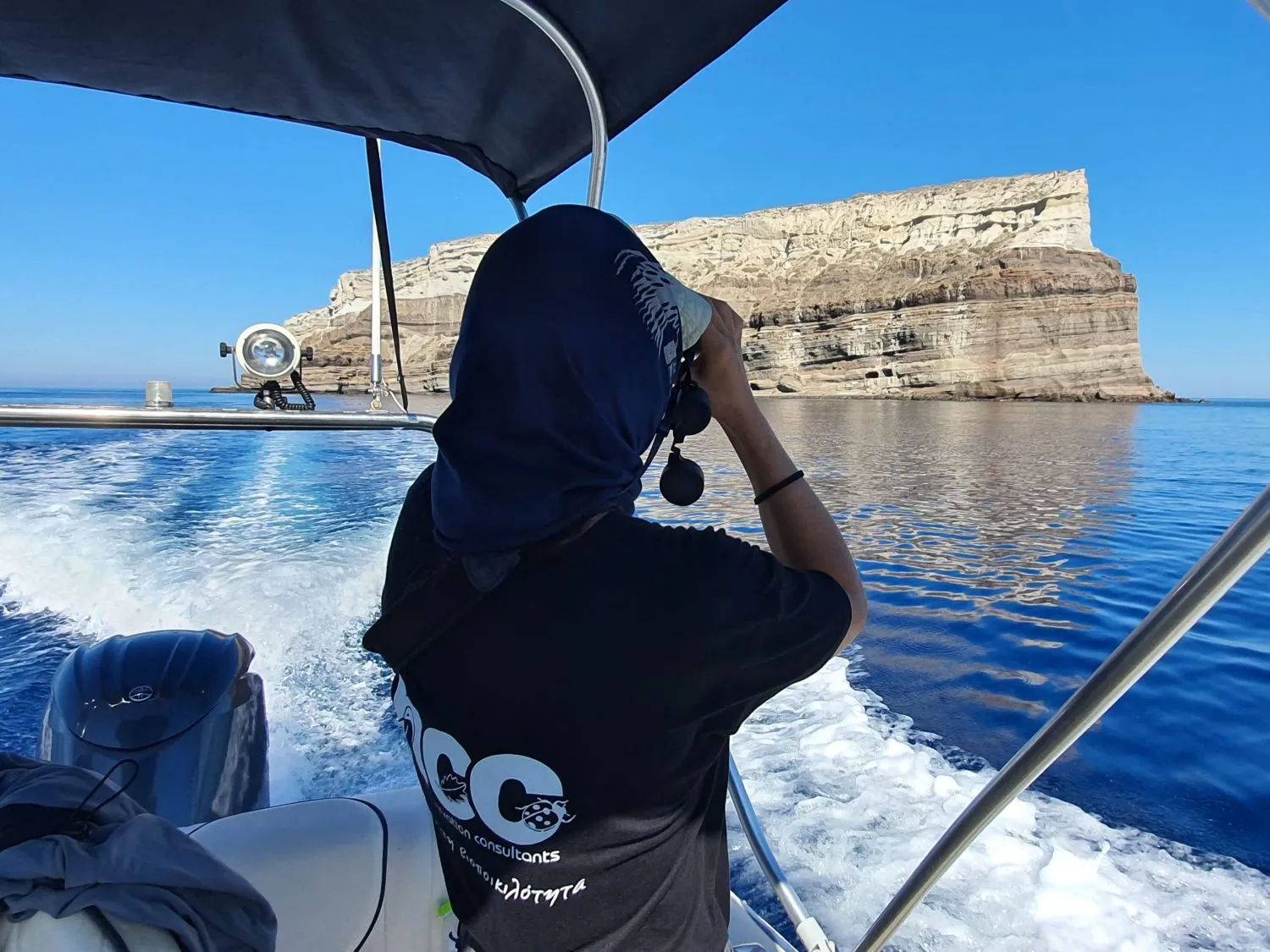
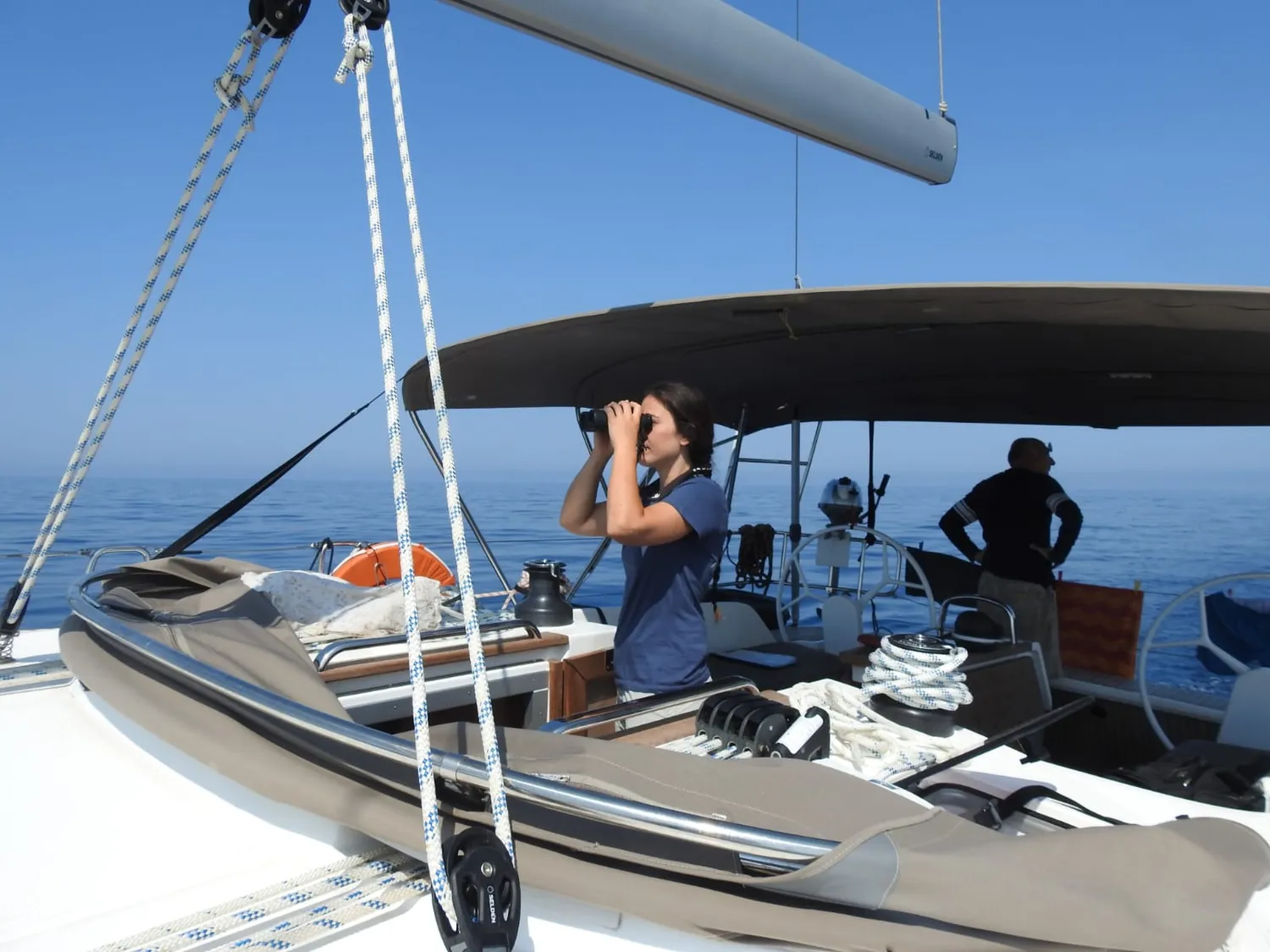
Visual recordings from vessels are essential for determining the presence and abundance of species of interest such as seabirds, marine mammals, and sea turtles. For these visual records, the company uses vessels that follow linear routes.
The NCC team includes experienced observers for seabird, marine mammal, and sea turtle surveys. The surveys are conducted from sailboats and motor boats moving at a constant low speed.
.
Photos of marine surveys:
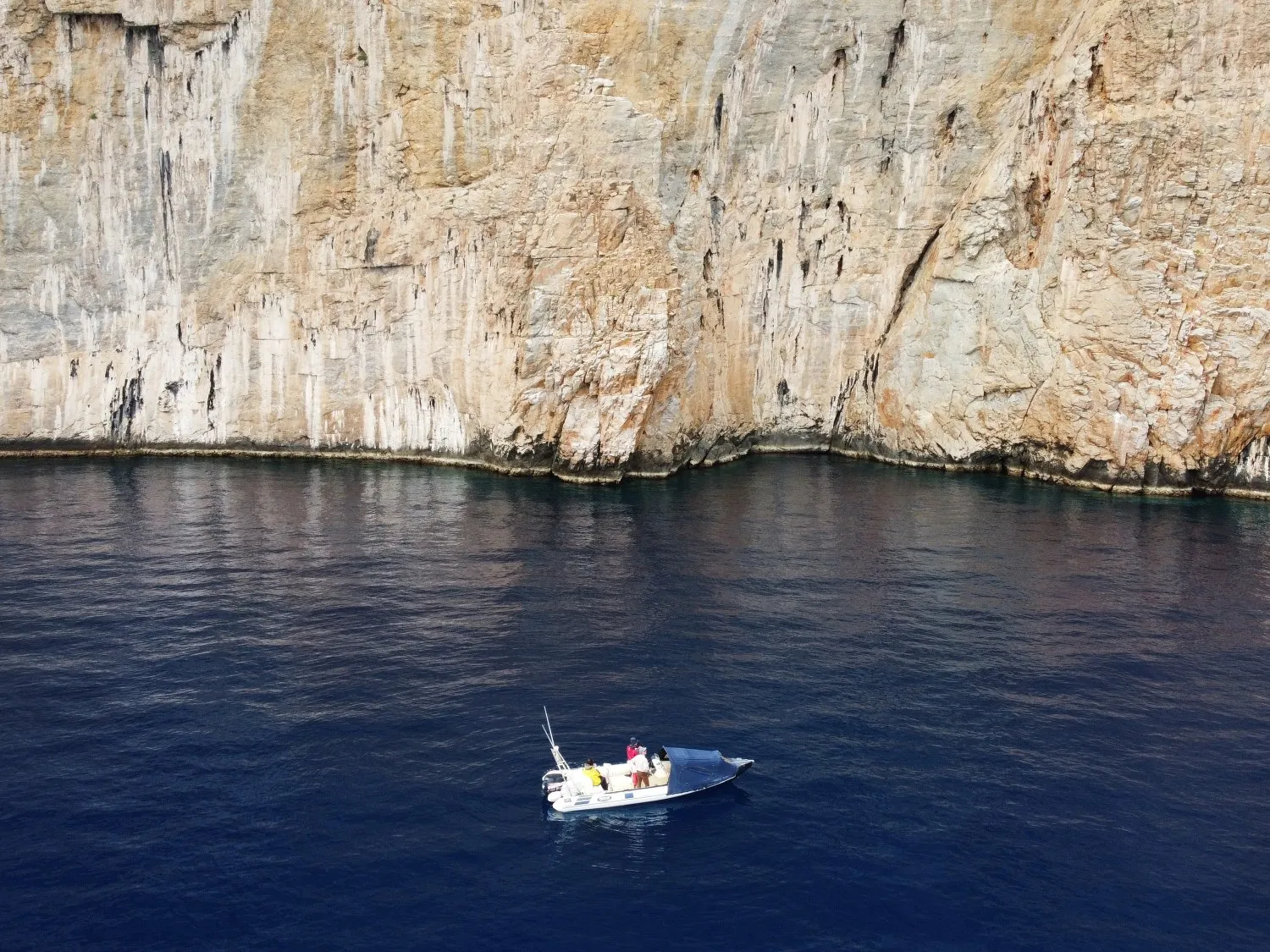
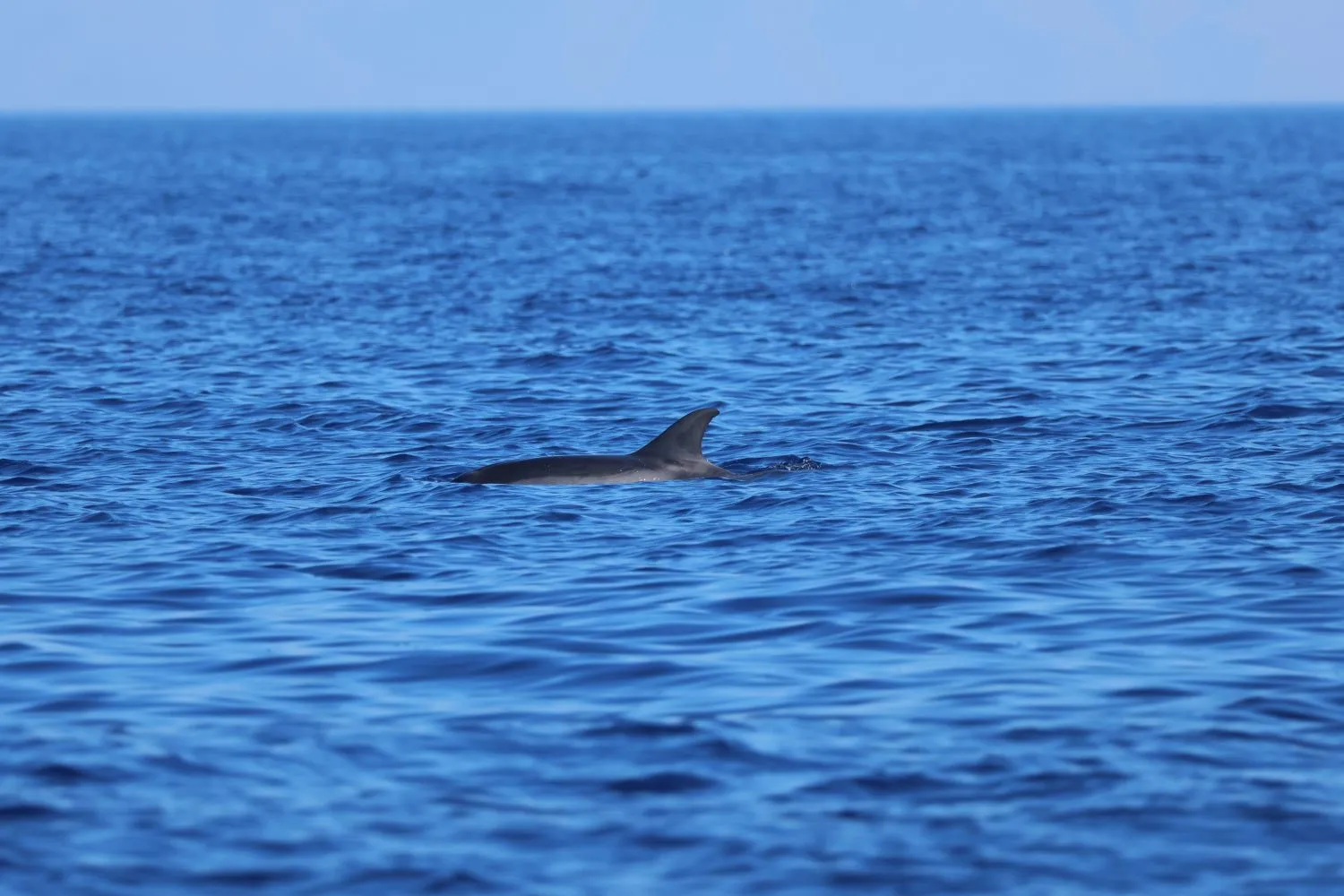
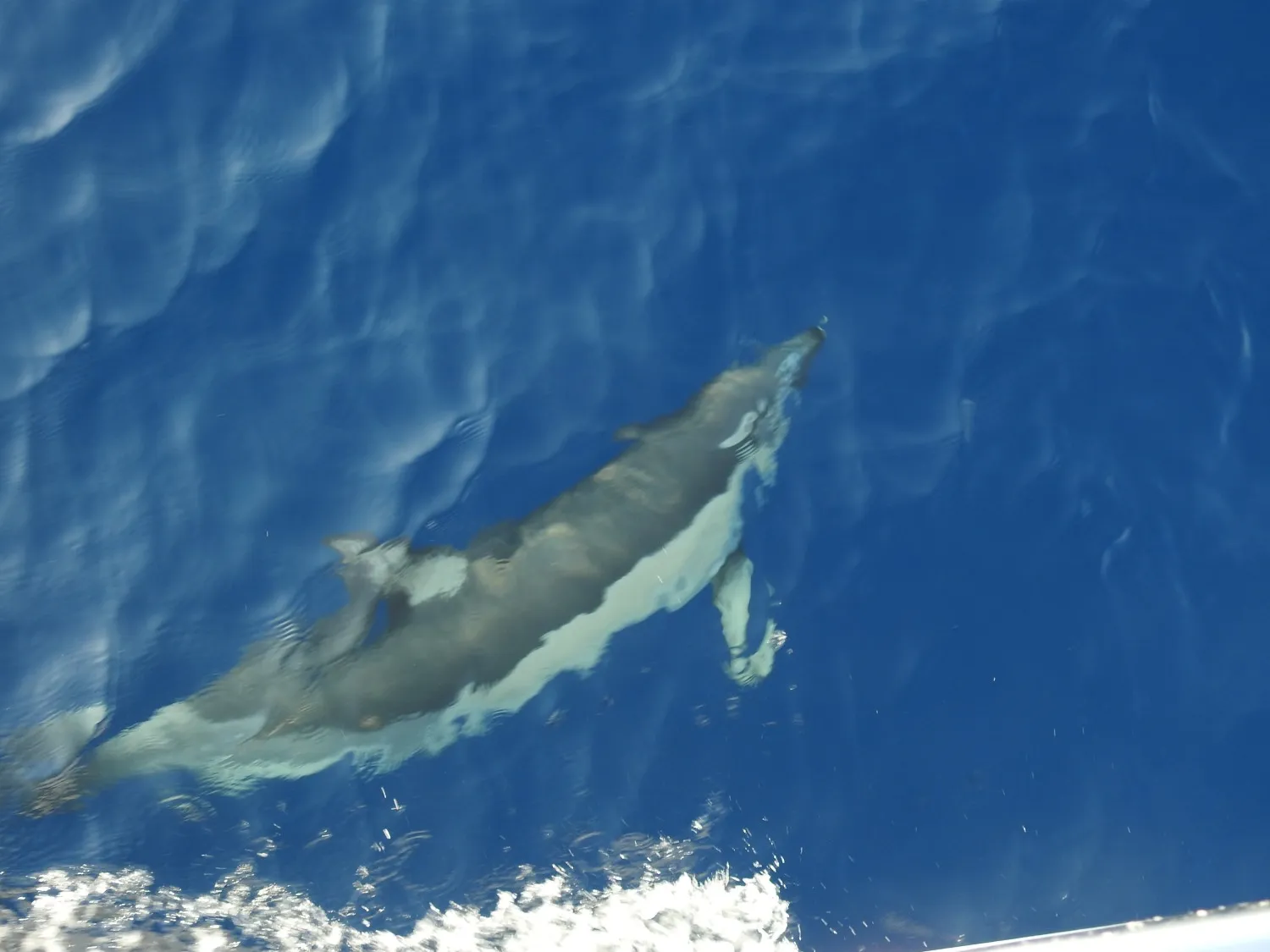
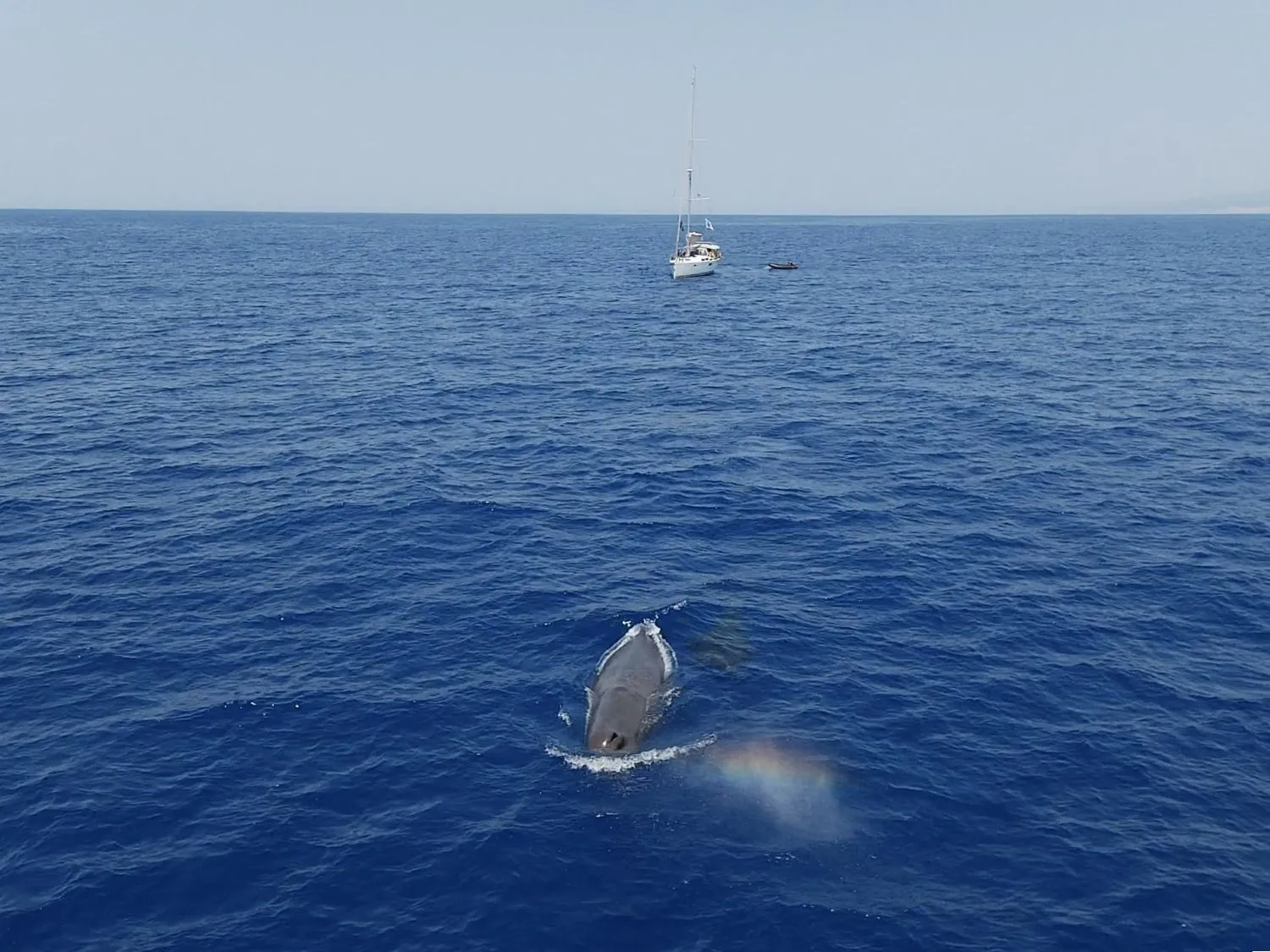
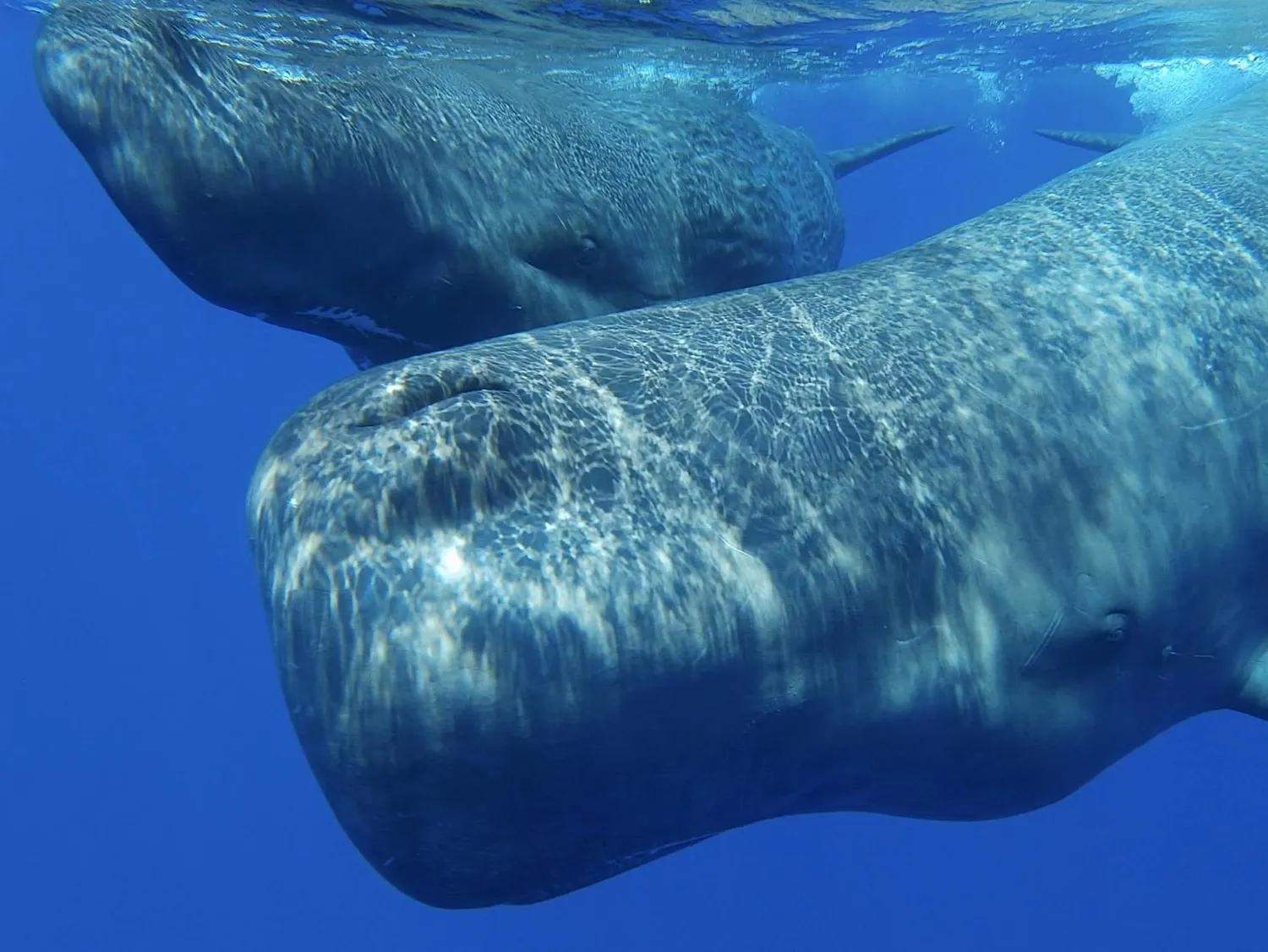
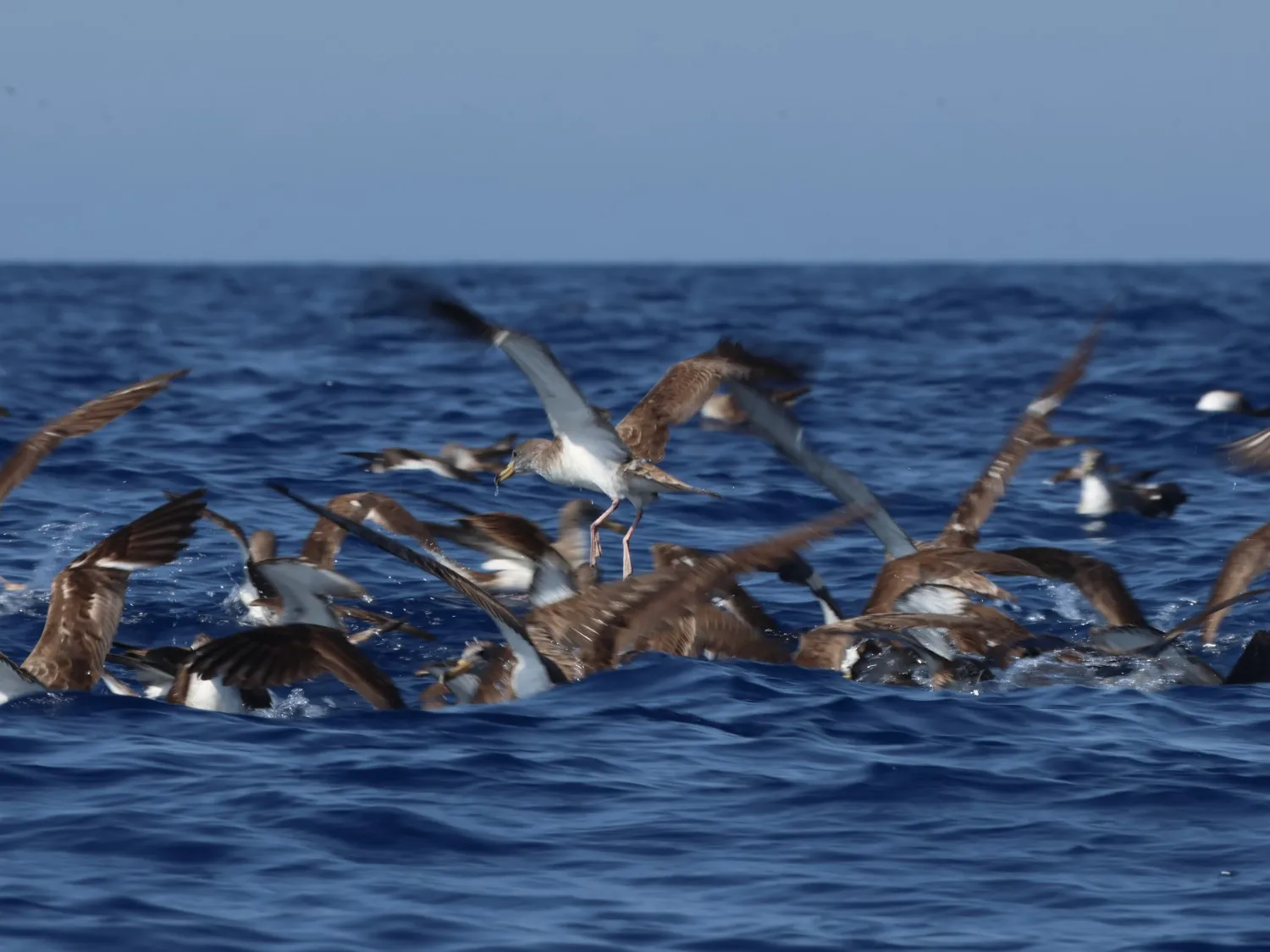
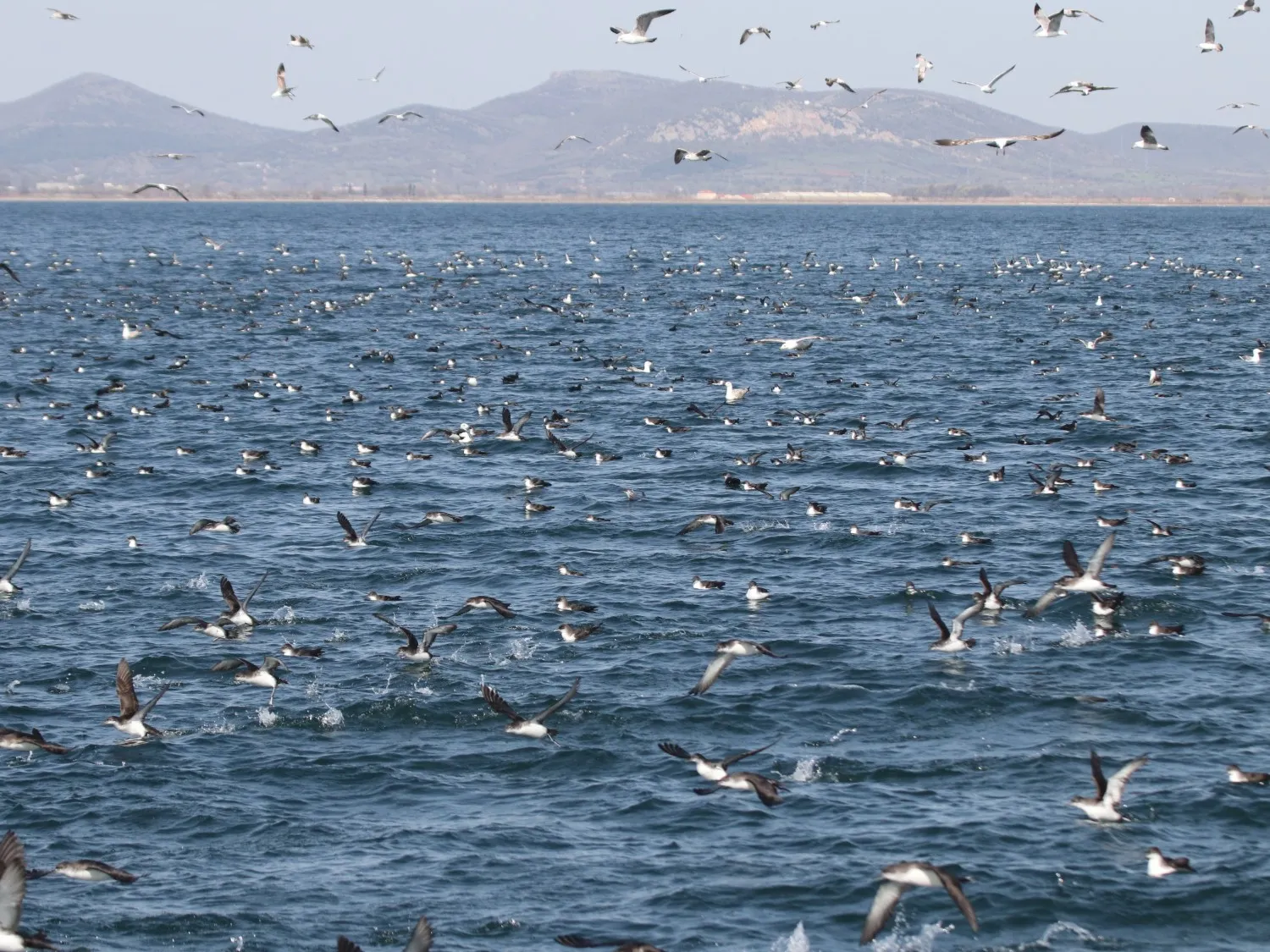
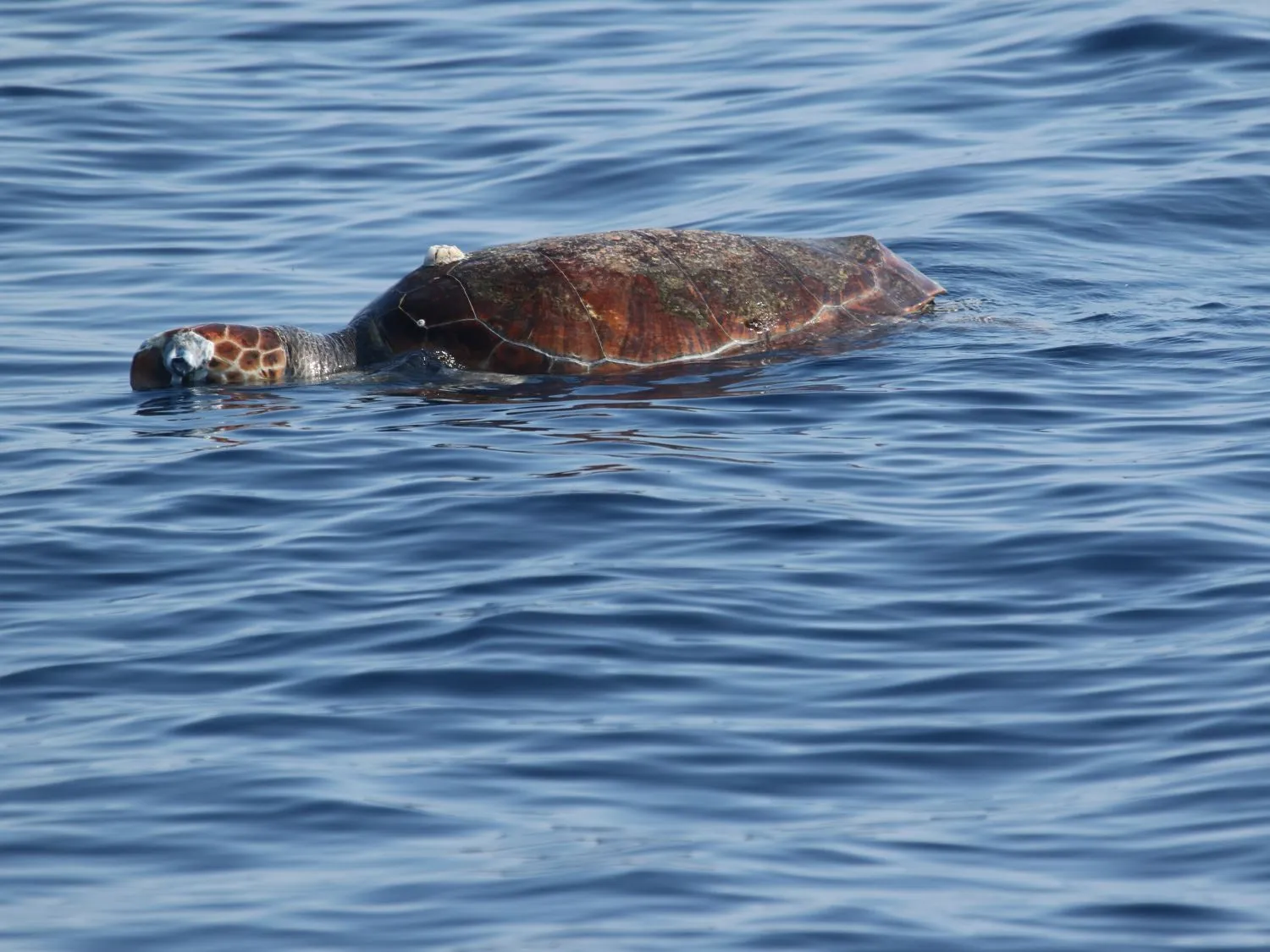
Click on the slider to open it as lightbox (clicking on ⓘ will also display the captions).
.
AERIAL SURVEYS
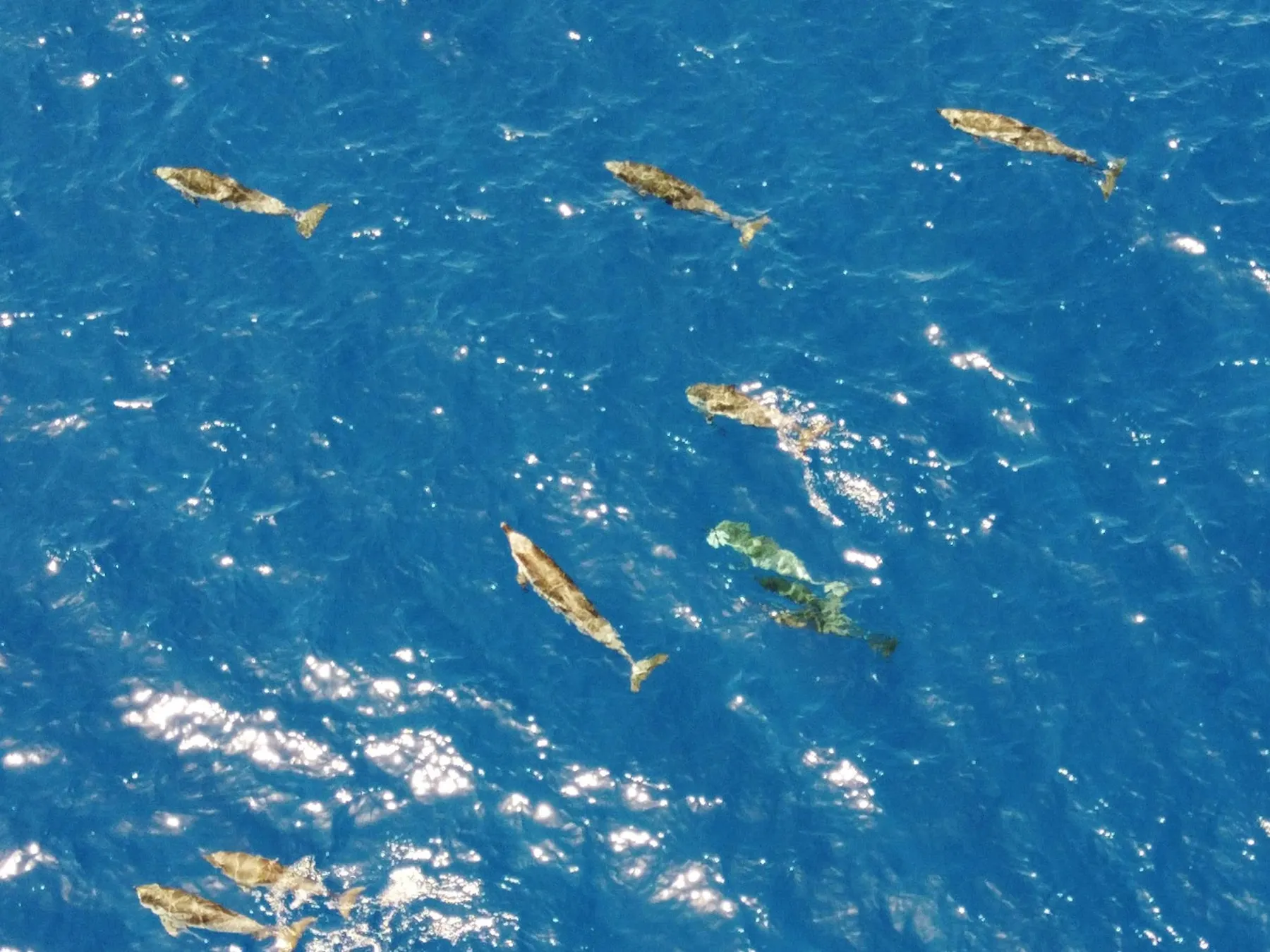
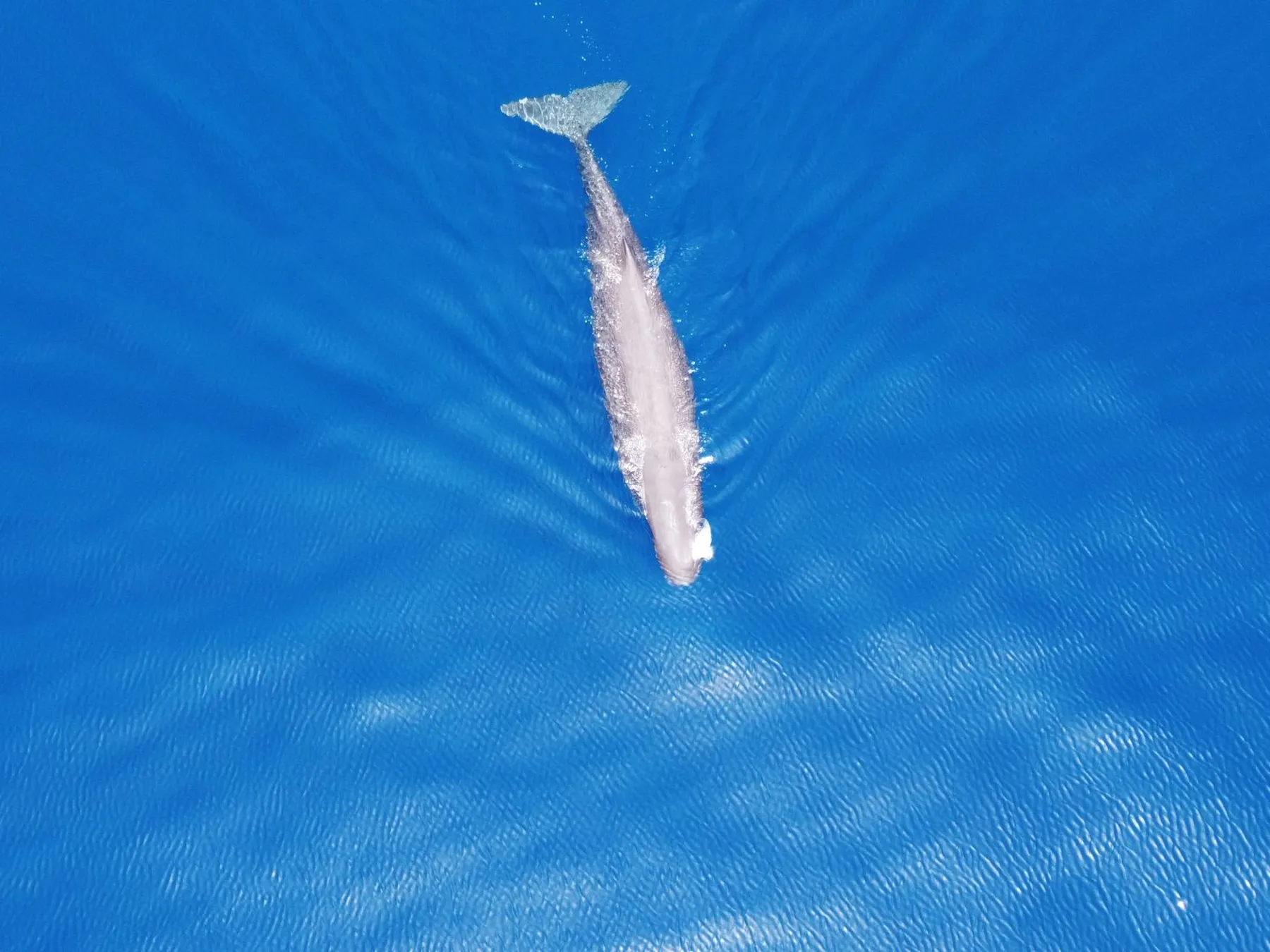
Aerial surveys are used for complete pelagic surveys of seabirds, marine mammals, and sea turtles.
The specialized team of NCC and its partners conduct aerial surveys from a suitably equipped aircraft.
.
Photos of aerial surveys:
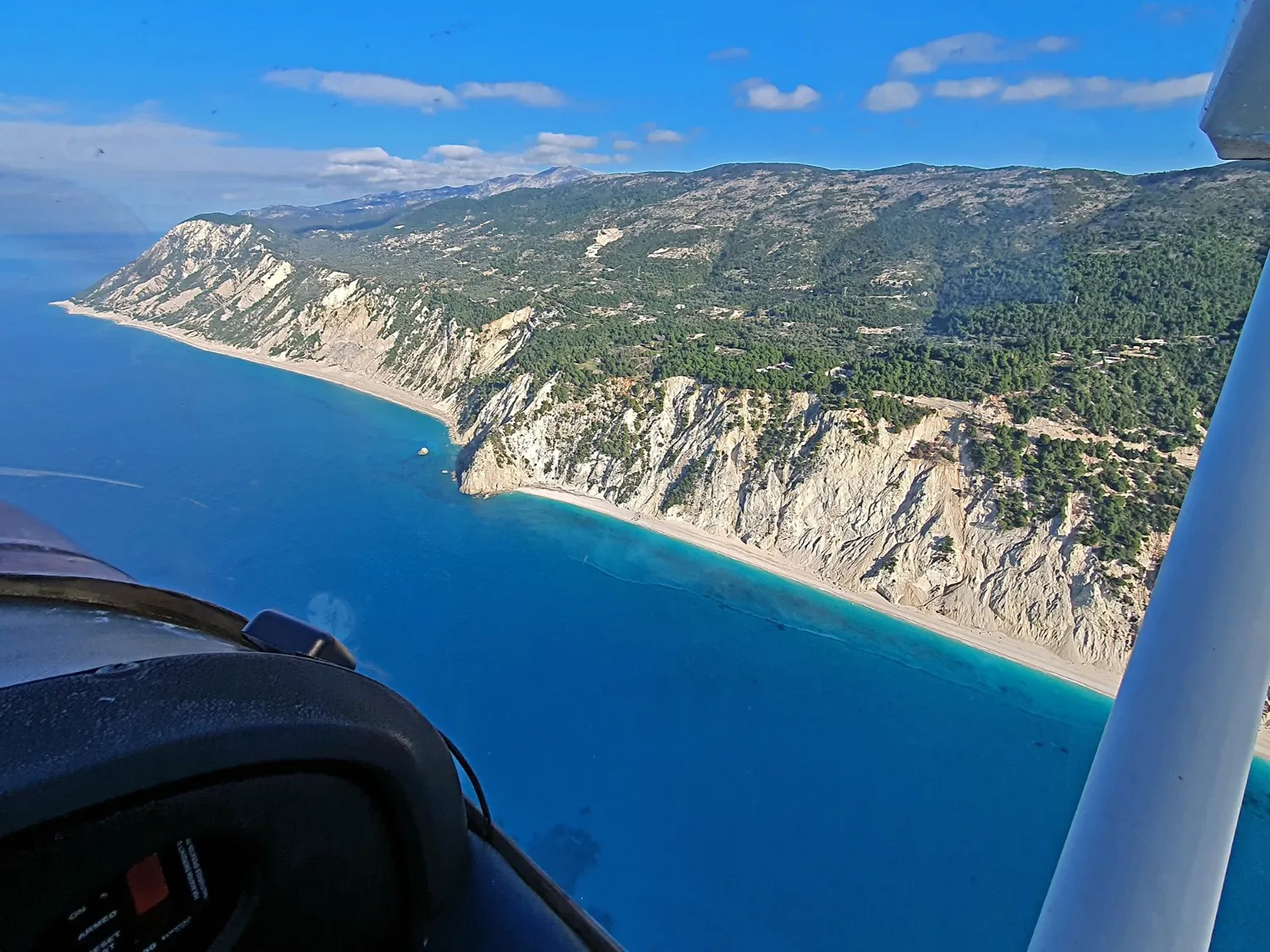
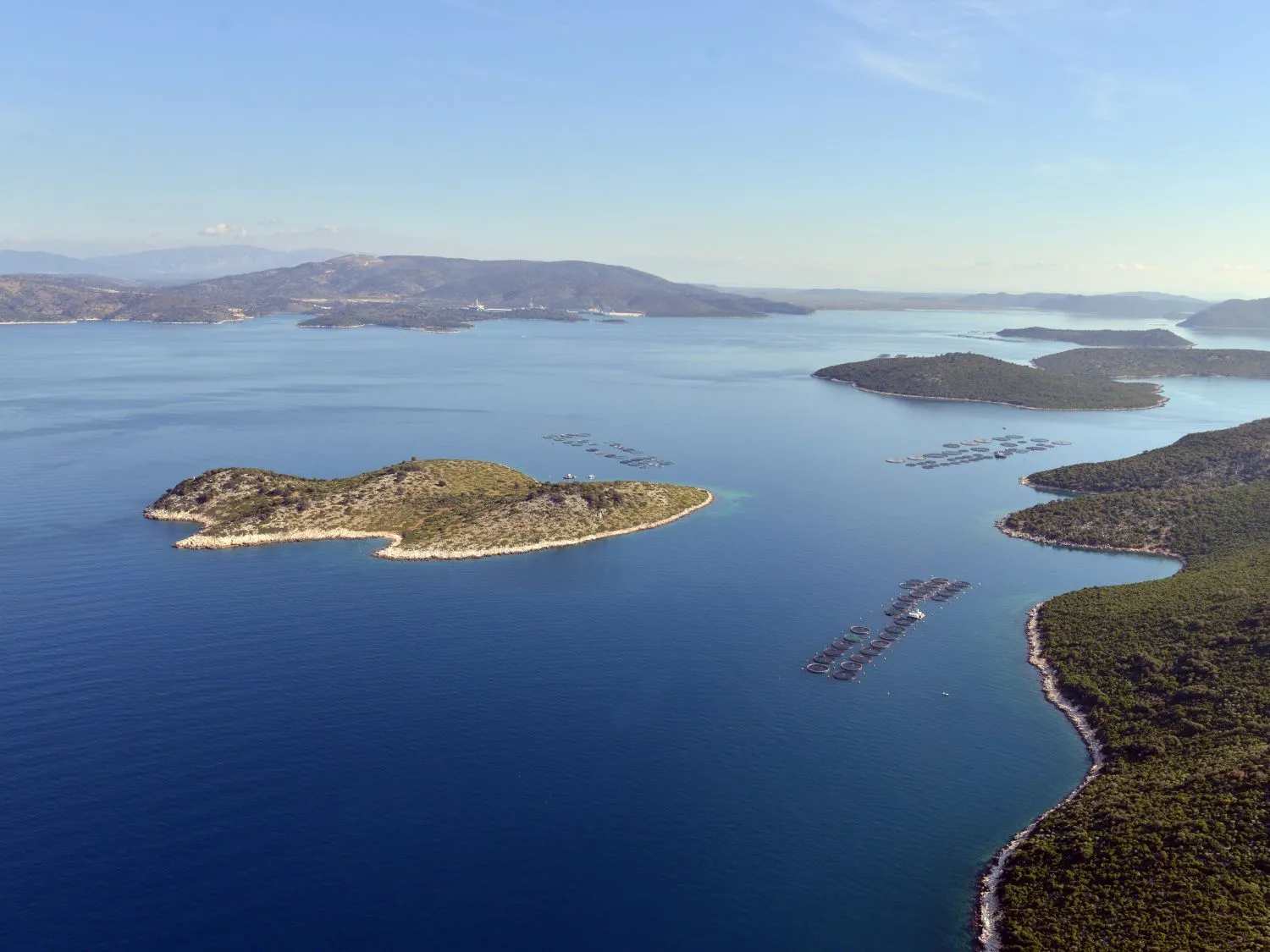
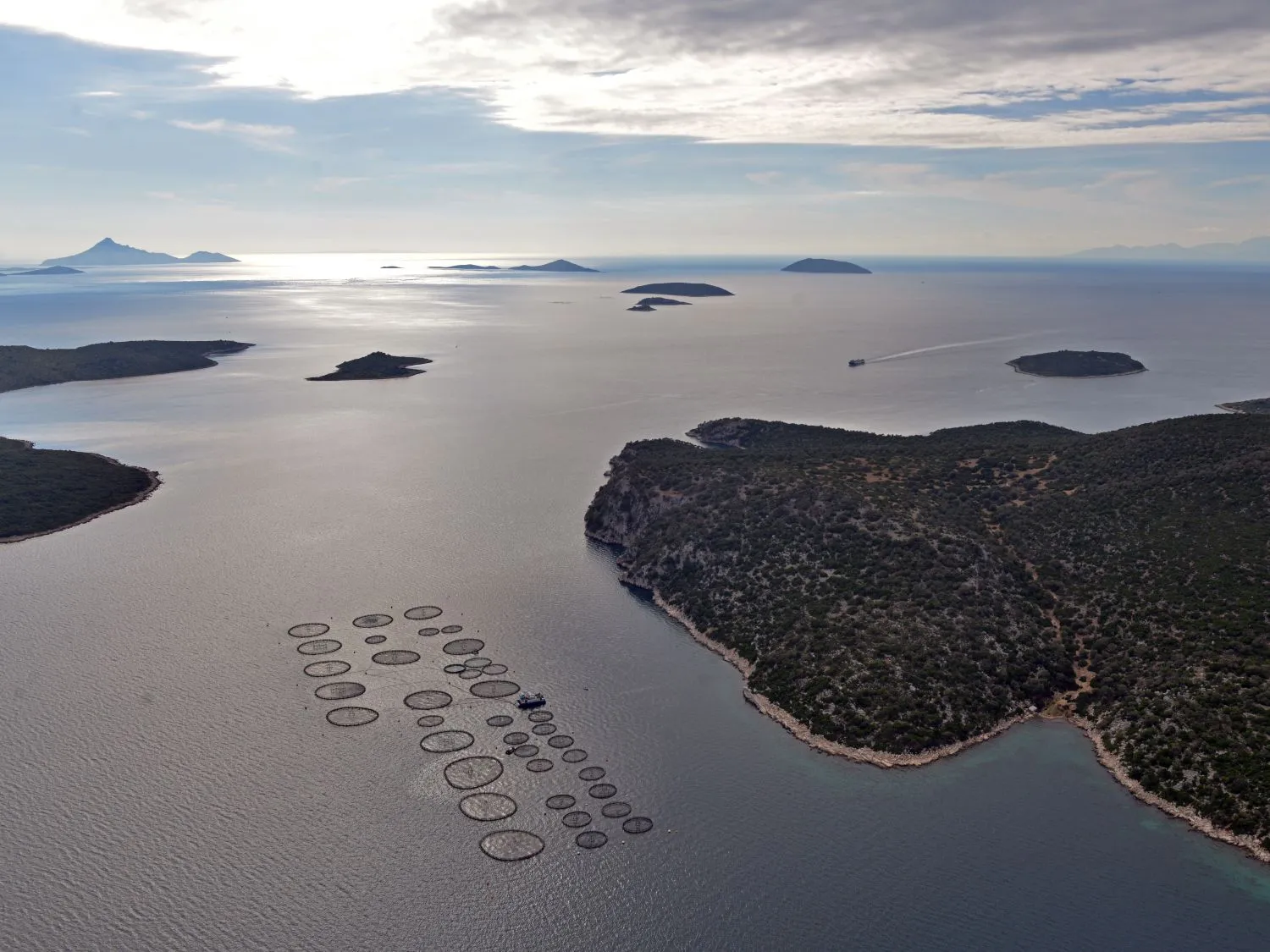
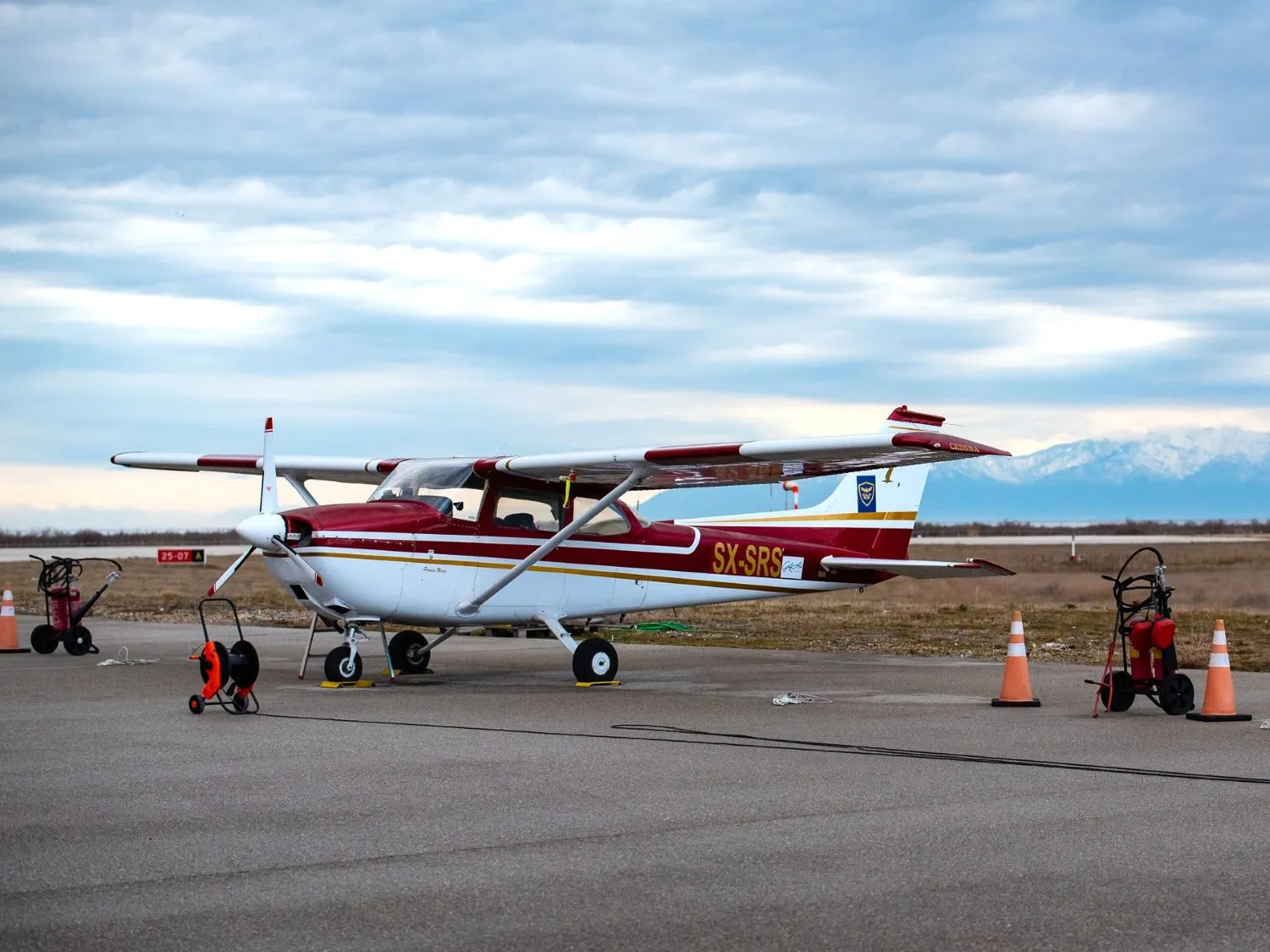
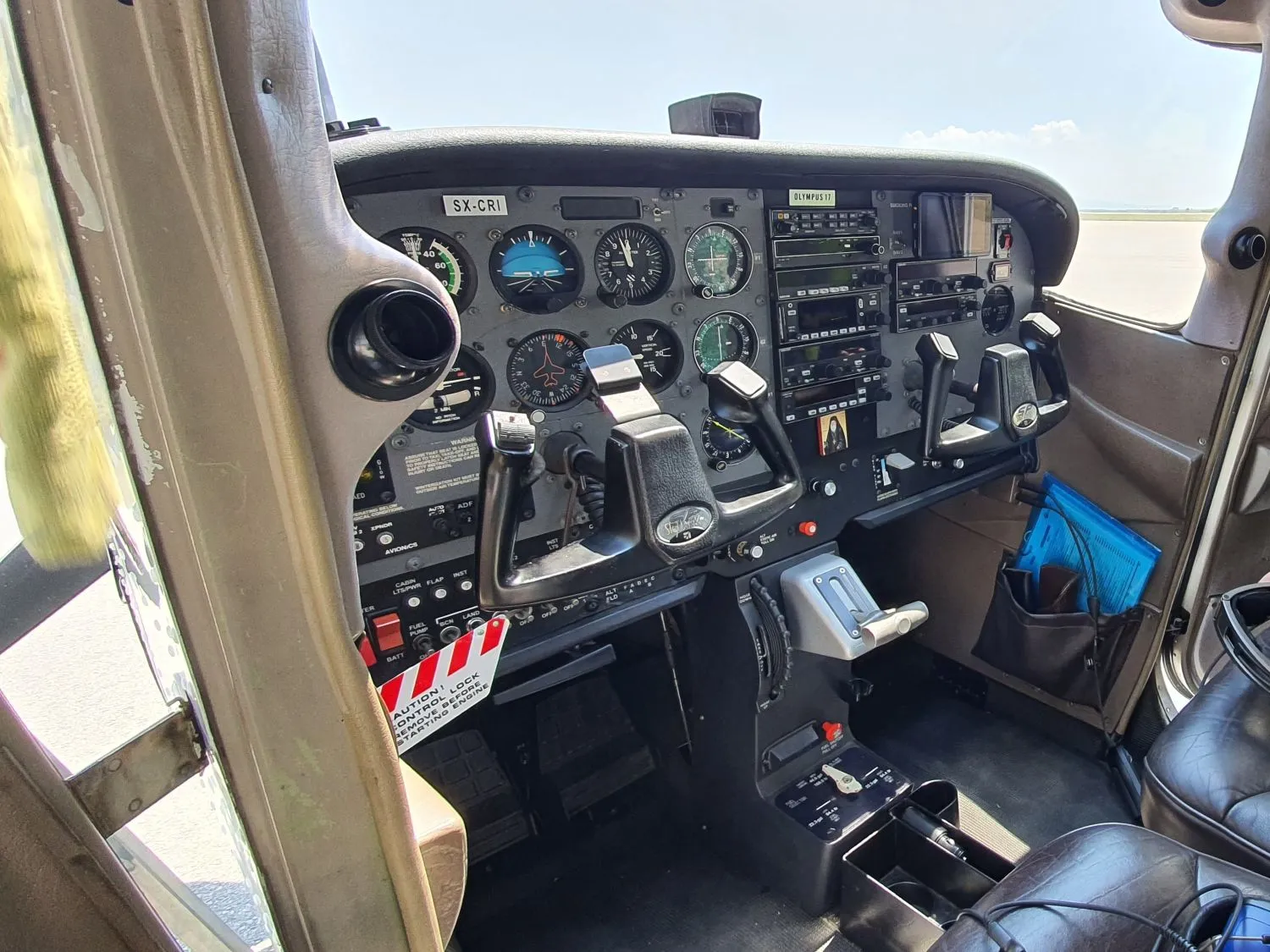
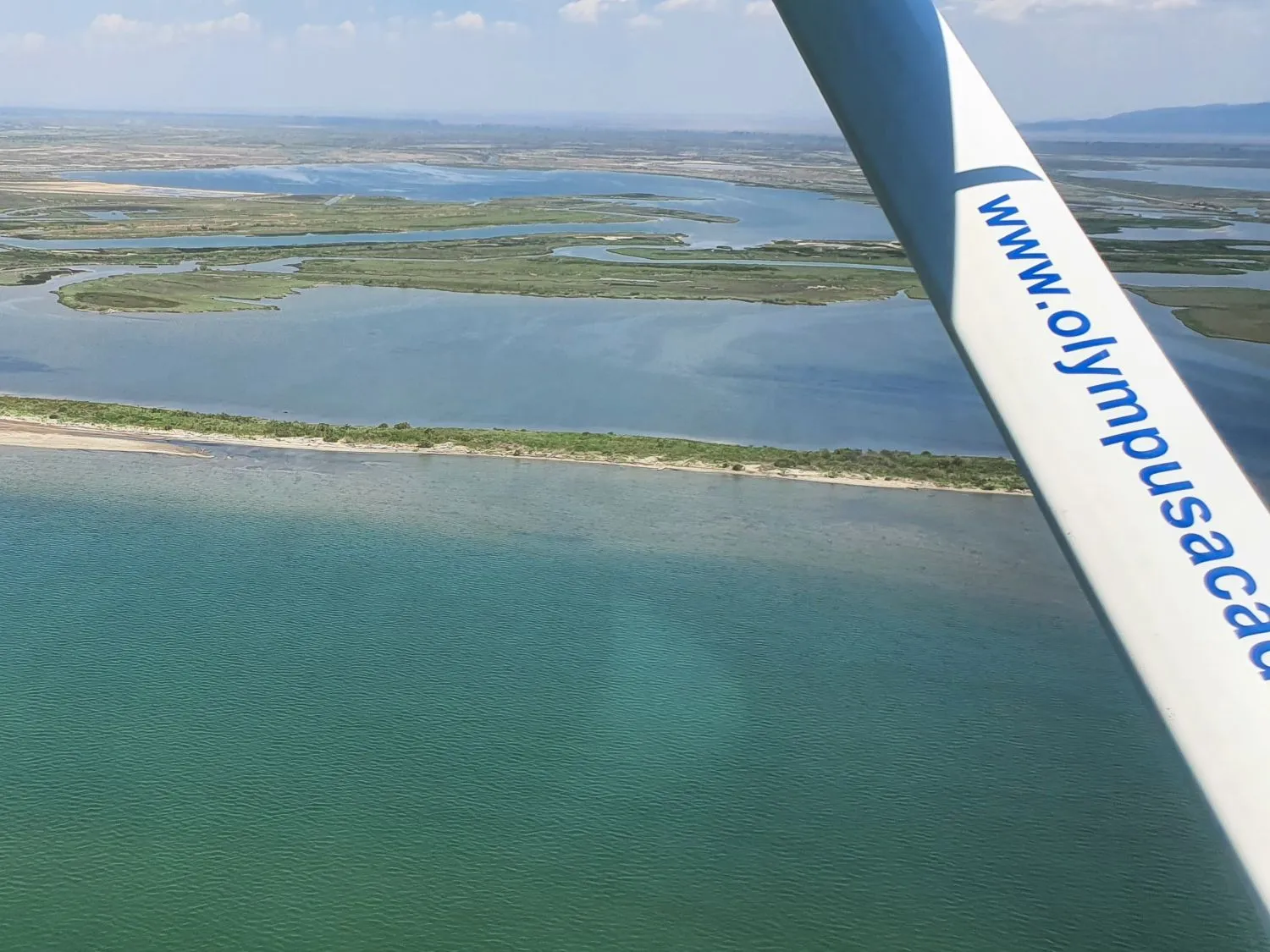
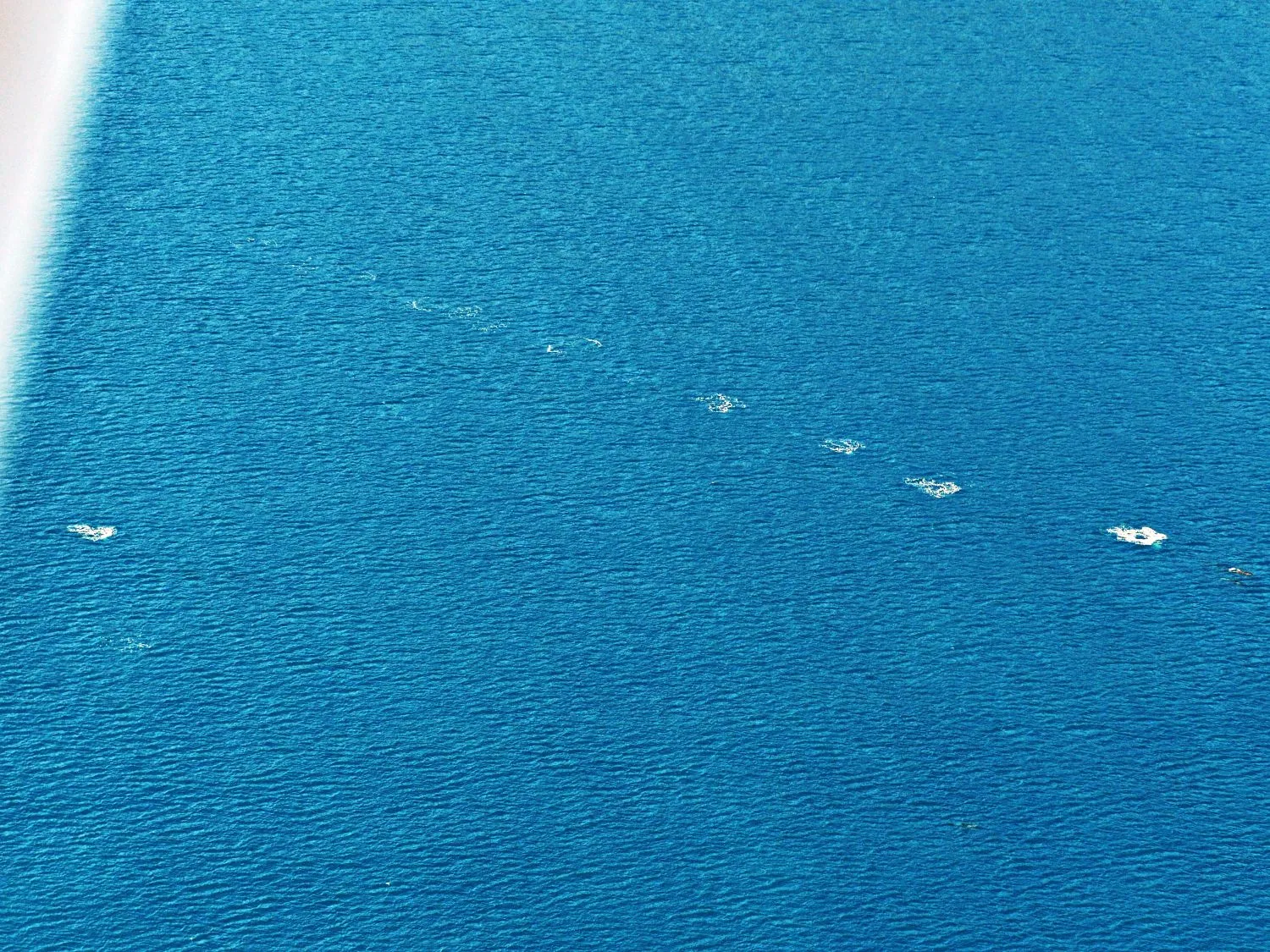
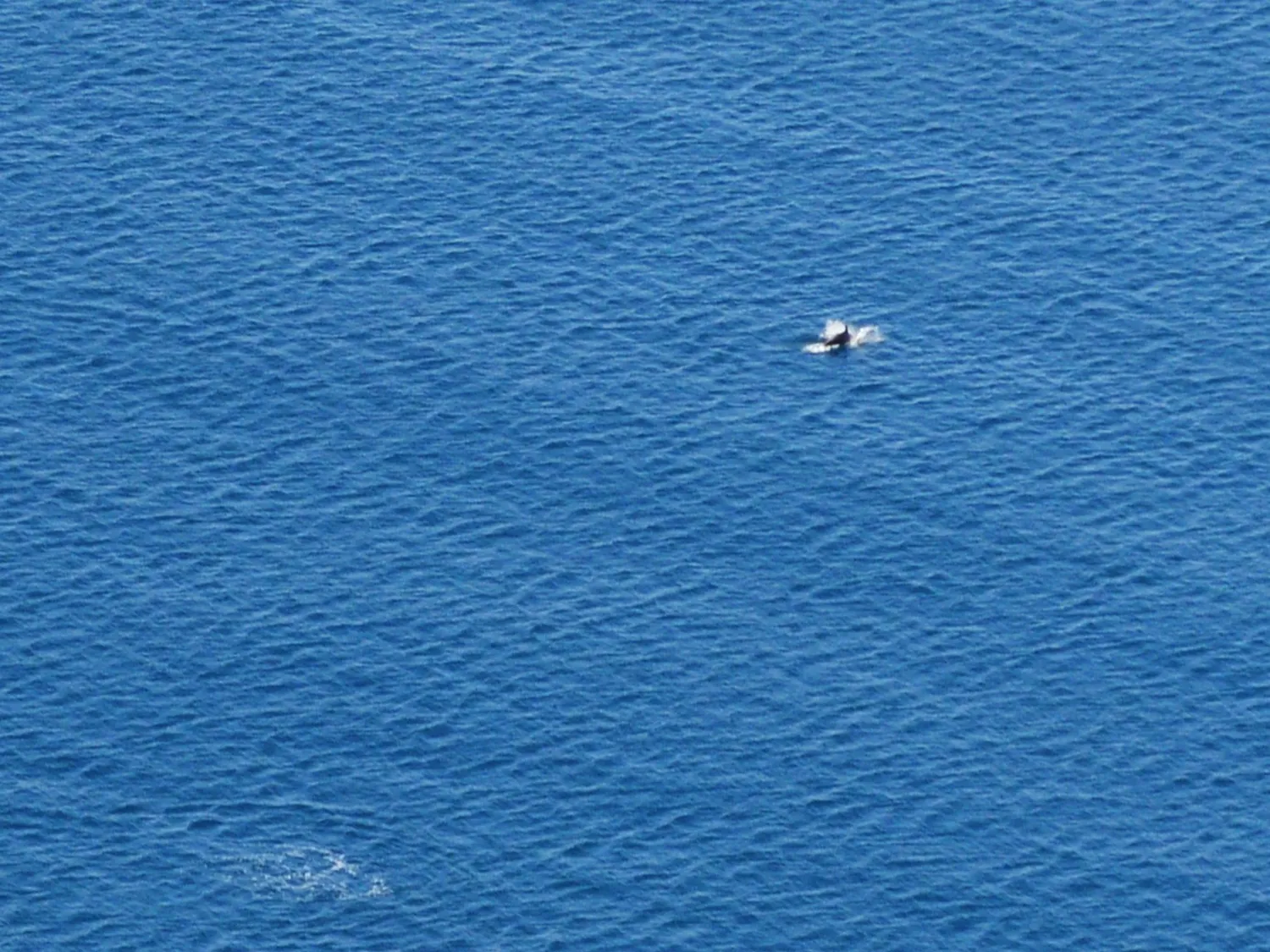
Click on the slider to open it as lightbox (clicking on ⓘ will also display the captions).
.
SURVEYS WITH DRONES
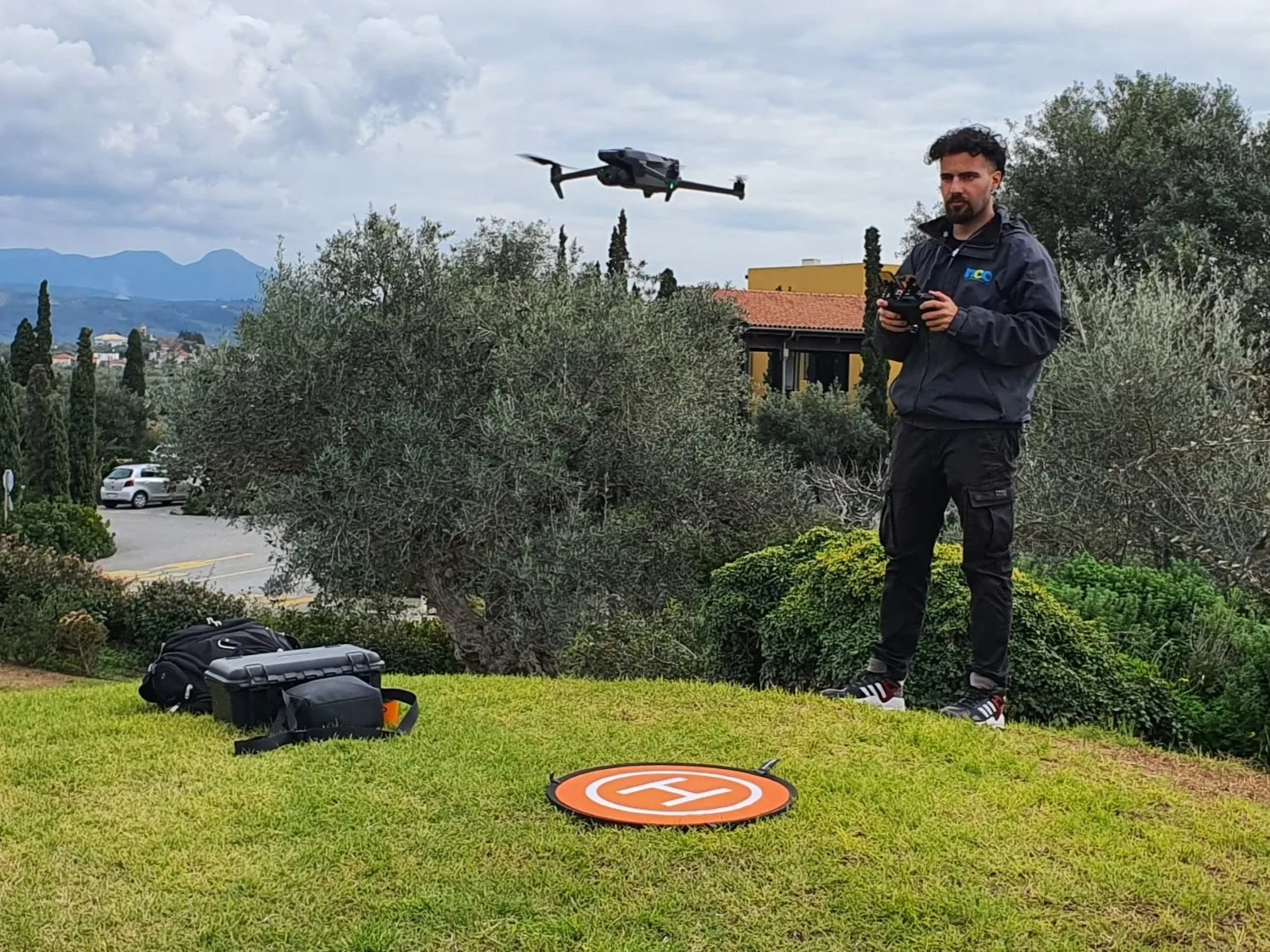
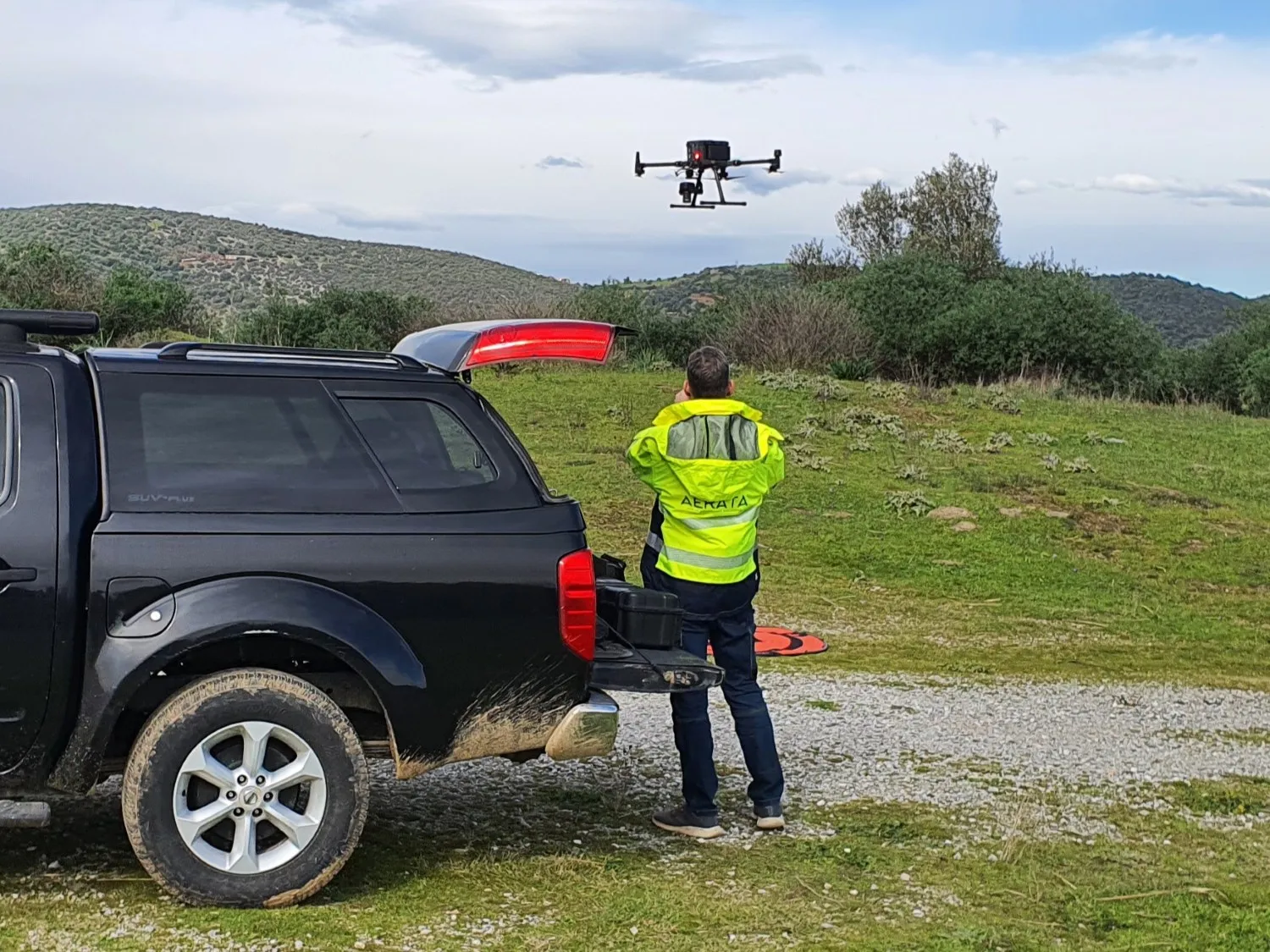
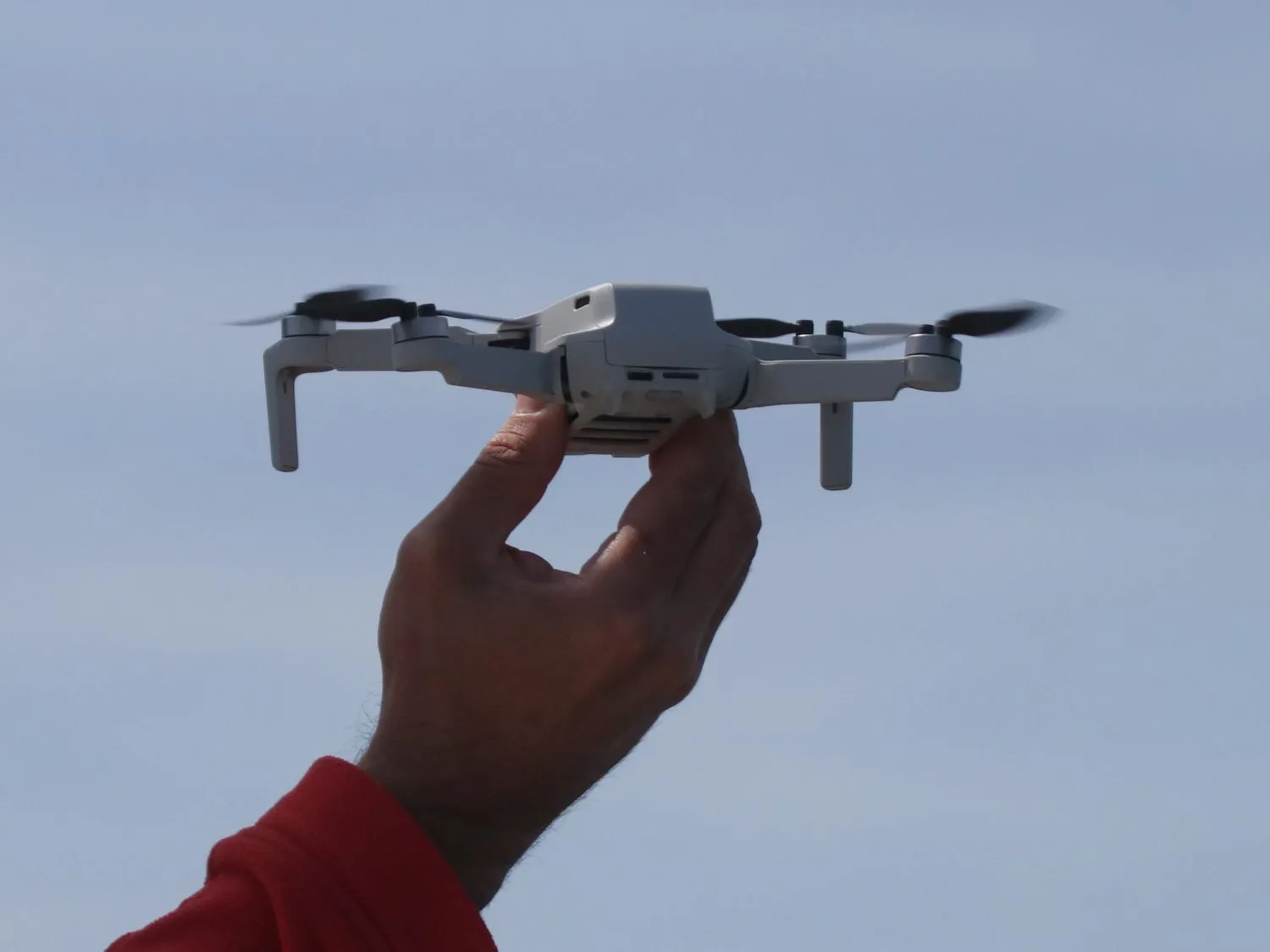
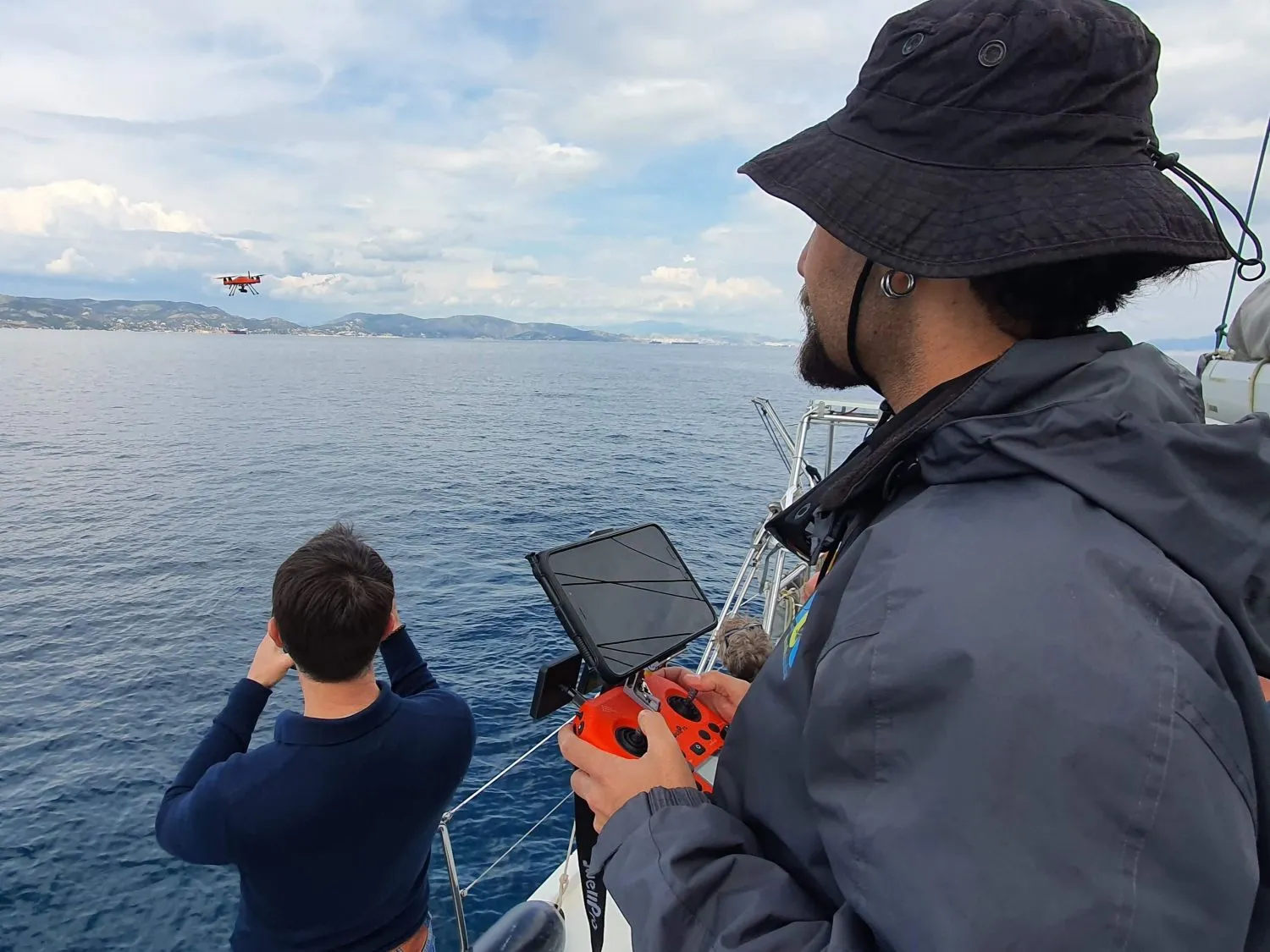
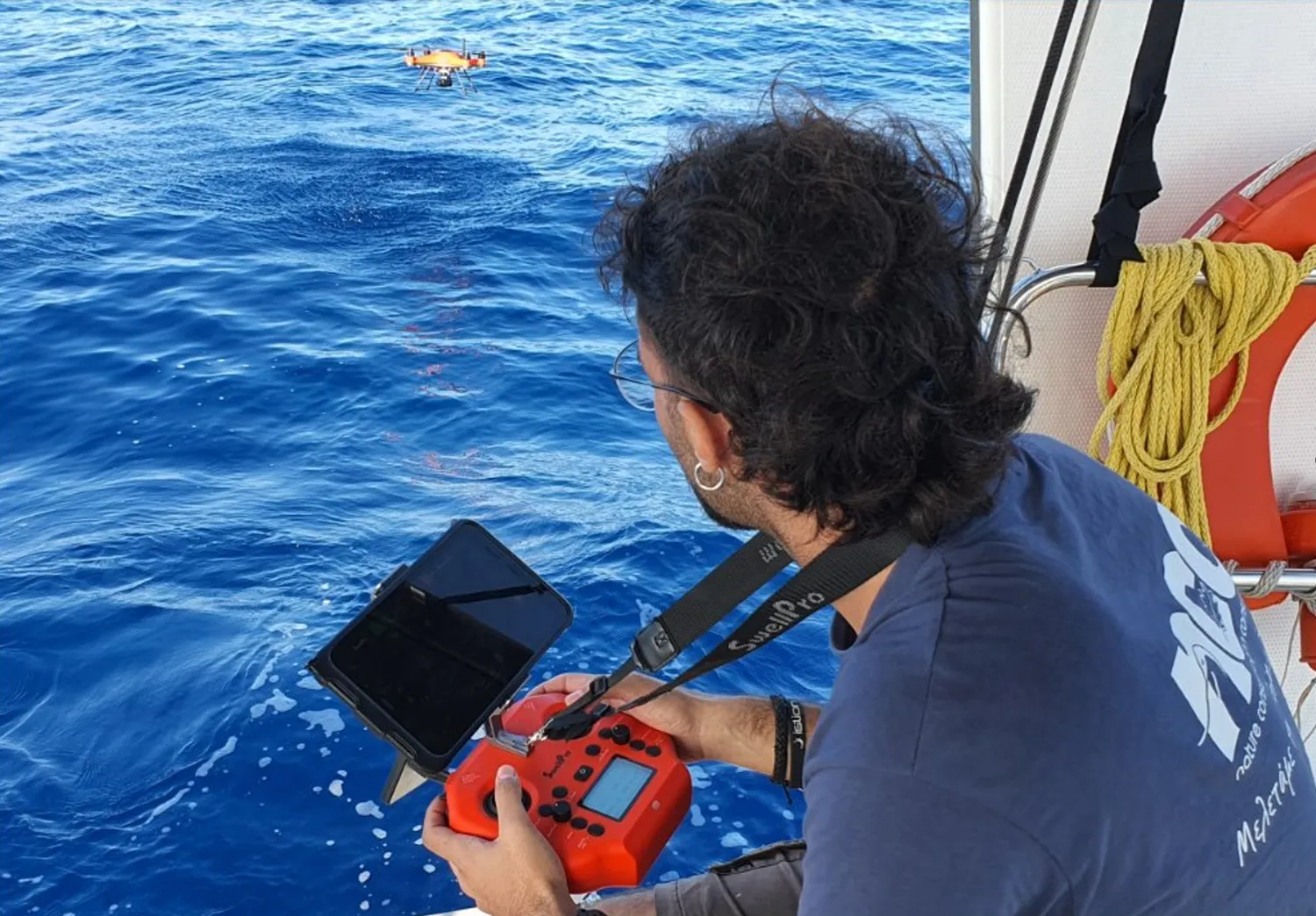
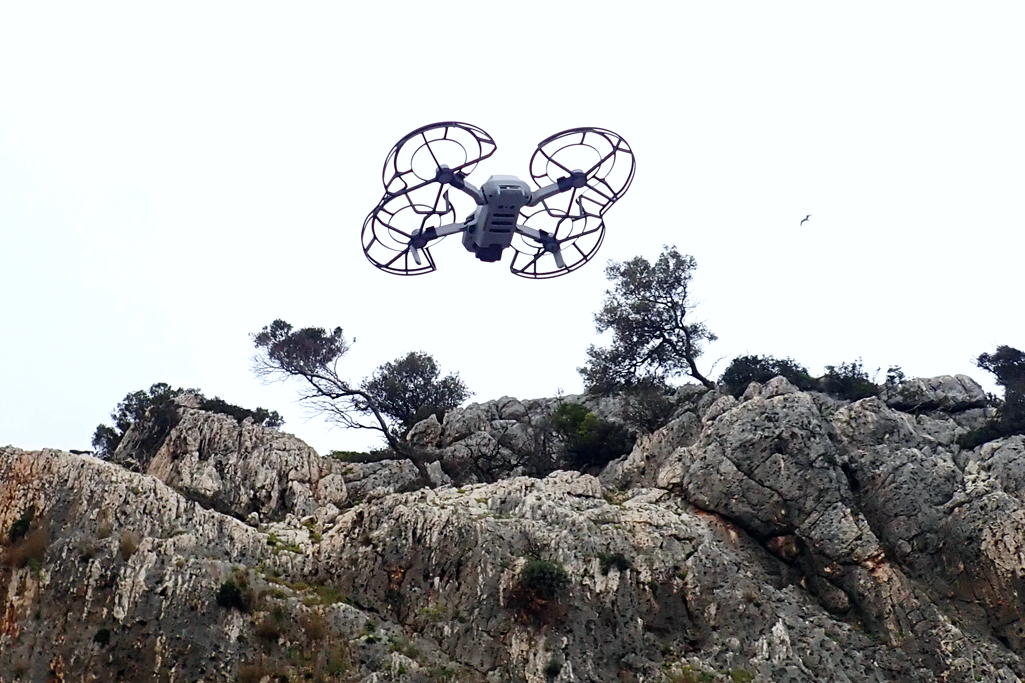
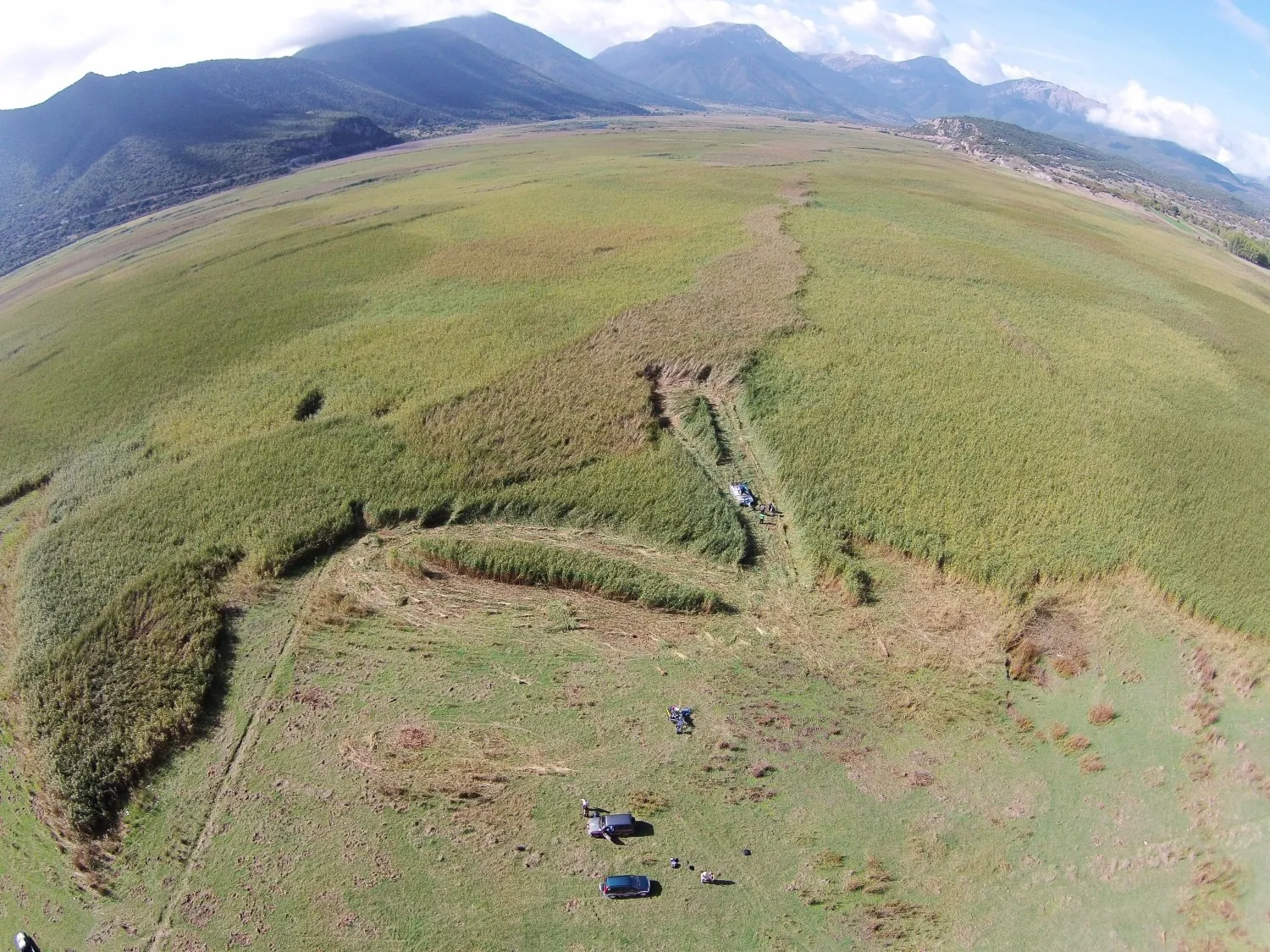
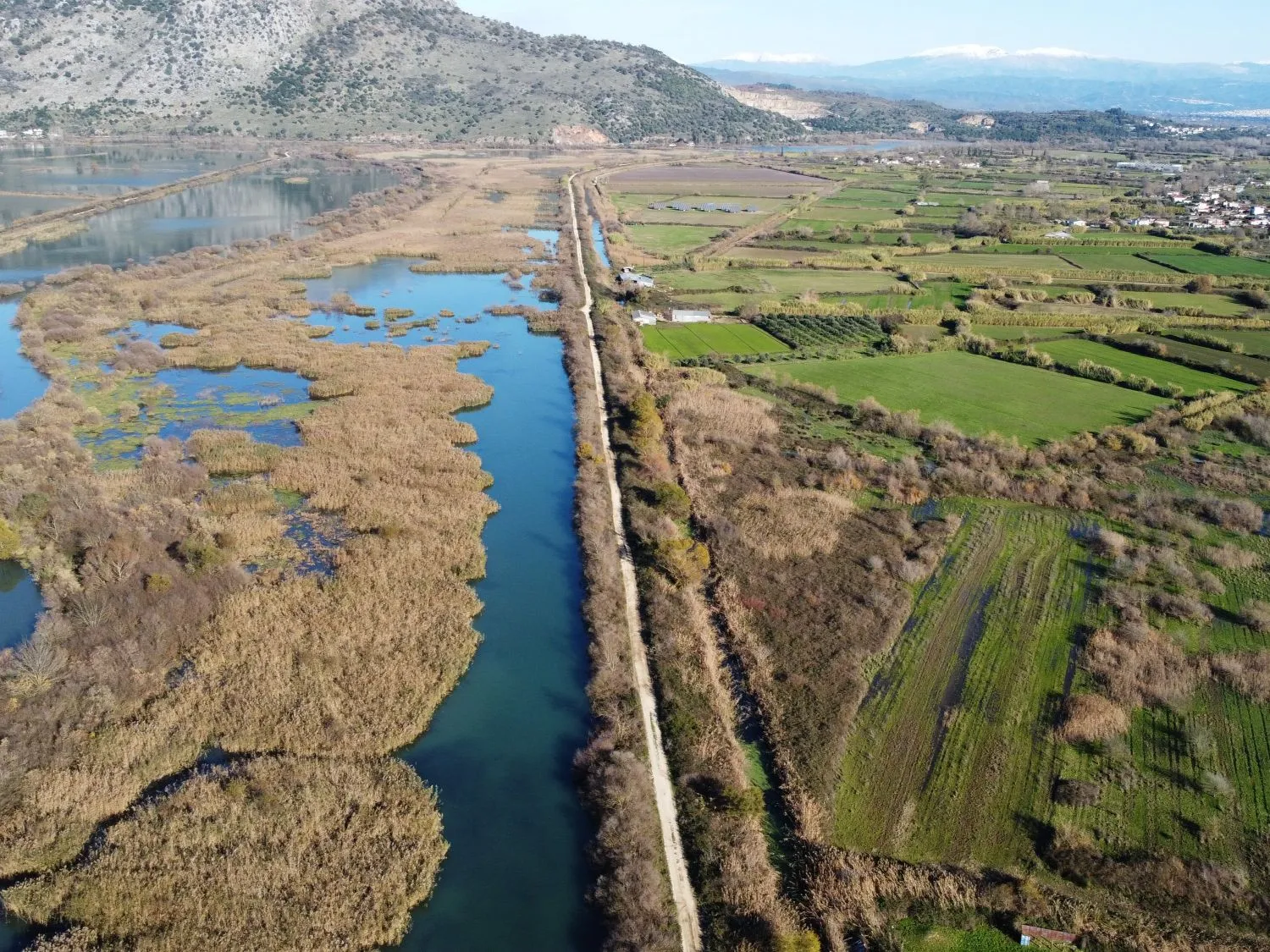
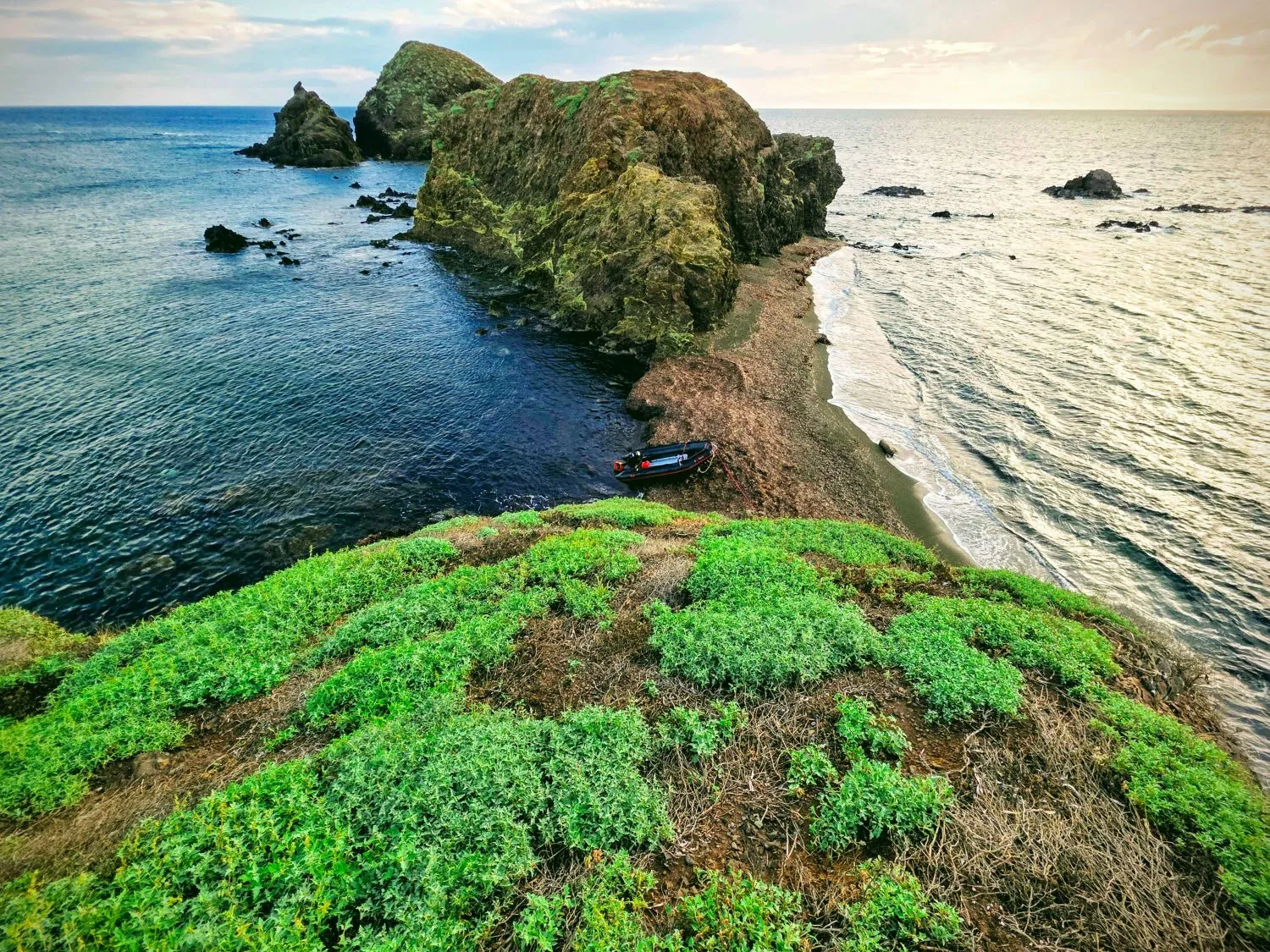
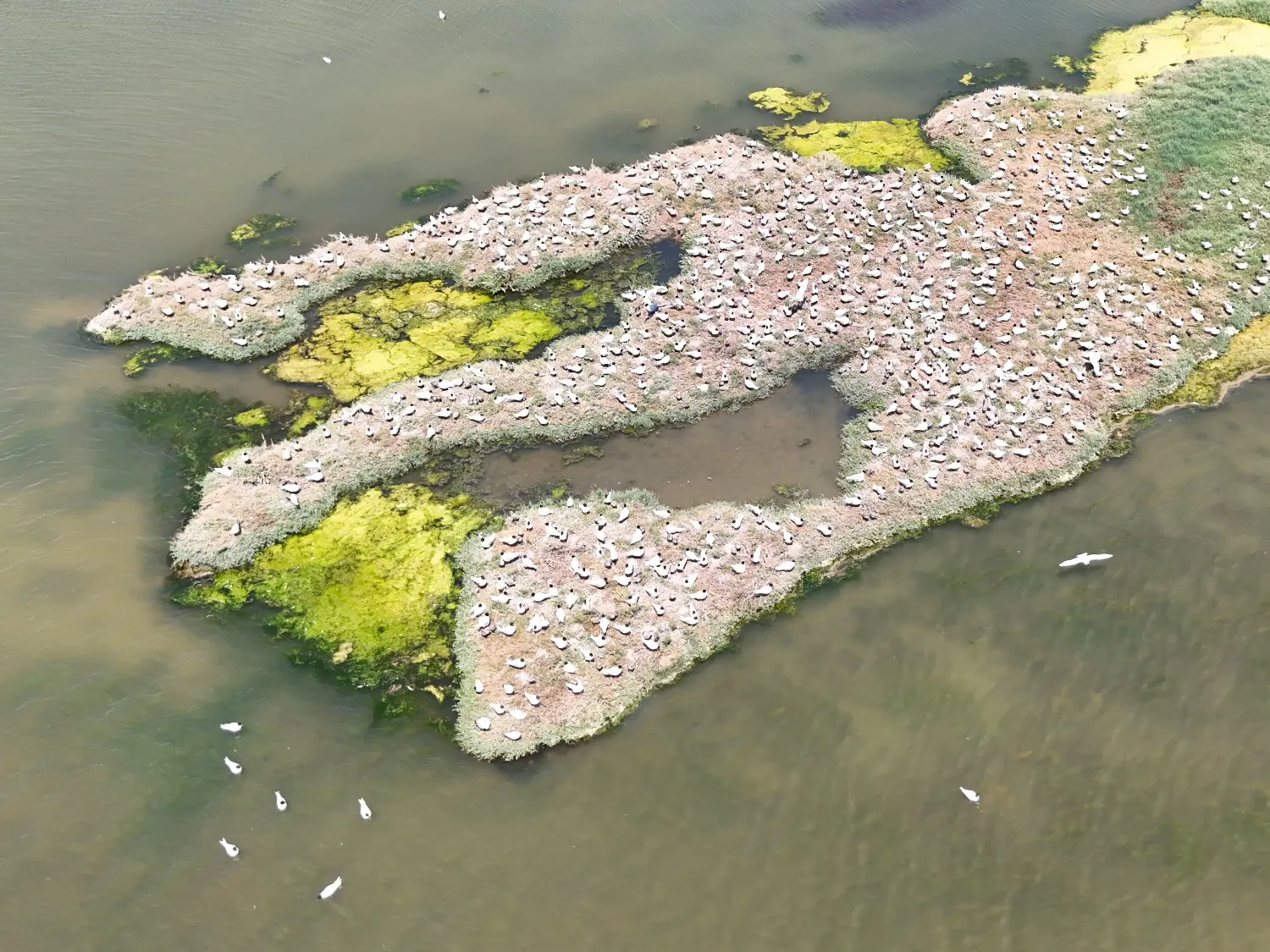
The use of unmanned aerial vehicles (drones) is applied for example to map habitats, to inventory colonial species’ nests in reed beds or other inaccessible areas, and to monitor marine fauna species.
The NCC team has significant experience in high-resolution photographic imaging using drones, as well as in accurate and realistic mapping of habitats and microhabitats. Combining its equipment with its expertise in marine mammal monitoring, it is constantly exploring innovative methods of using drones, such as the targeted deployment of audiovisual recording devices alongside dolphin families. The data collected is processed using special software.
.
Photos of drones:
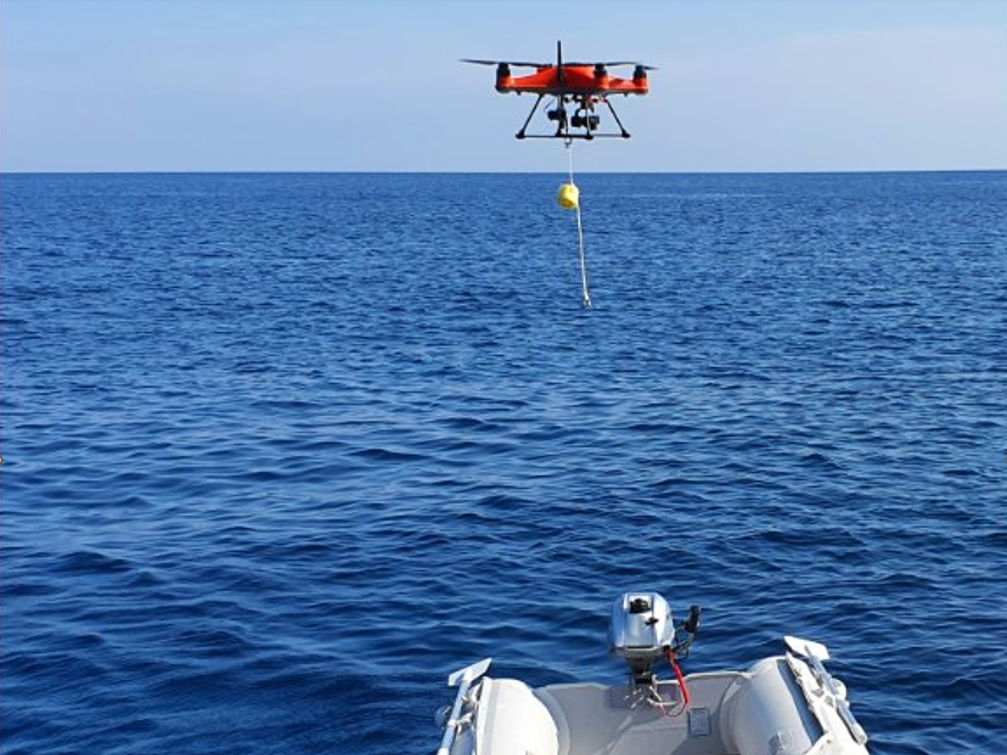
Click on the slider to open it as lightbox (clicking on ⓘ will also display the captions).
.
TELEMETRY
Telemetry is a modern method that allows remote monitoring of individual animals over long periods of time. Recording the movements of these individuals is essential, especially in the case of rare and endangered bird species. Telemetry involves trapping an individual of the species, attaching a transmitter, and monitoring its movements either by receiving data from the transmitter remotely or by recovering it through location tracking in the field.
NCC´s specialized staff is experienced in both the placement of satellite transmitters and the technical and scientific support of their operation on seabirds and raptors. The NCC team has fitted more than 100 telemetry transmitters to seabirds and birds of prey in Greece to monitor their migration, routes, feeding areas, and behavior.
.
Photos of telemetry:

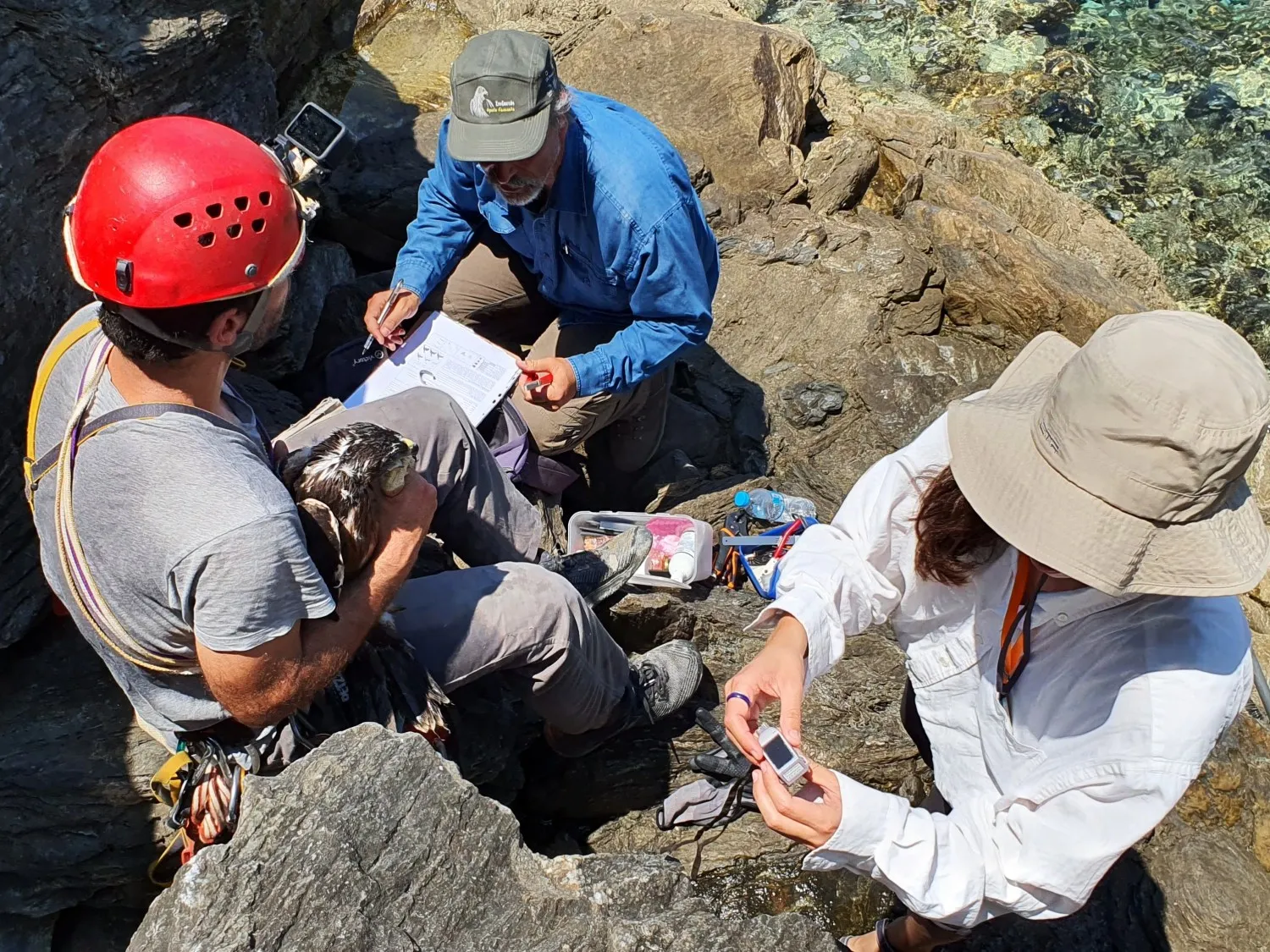
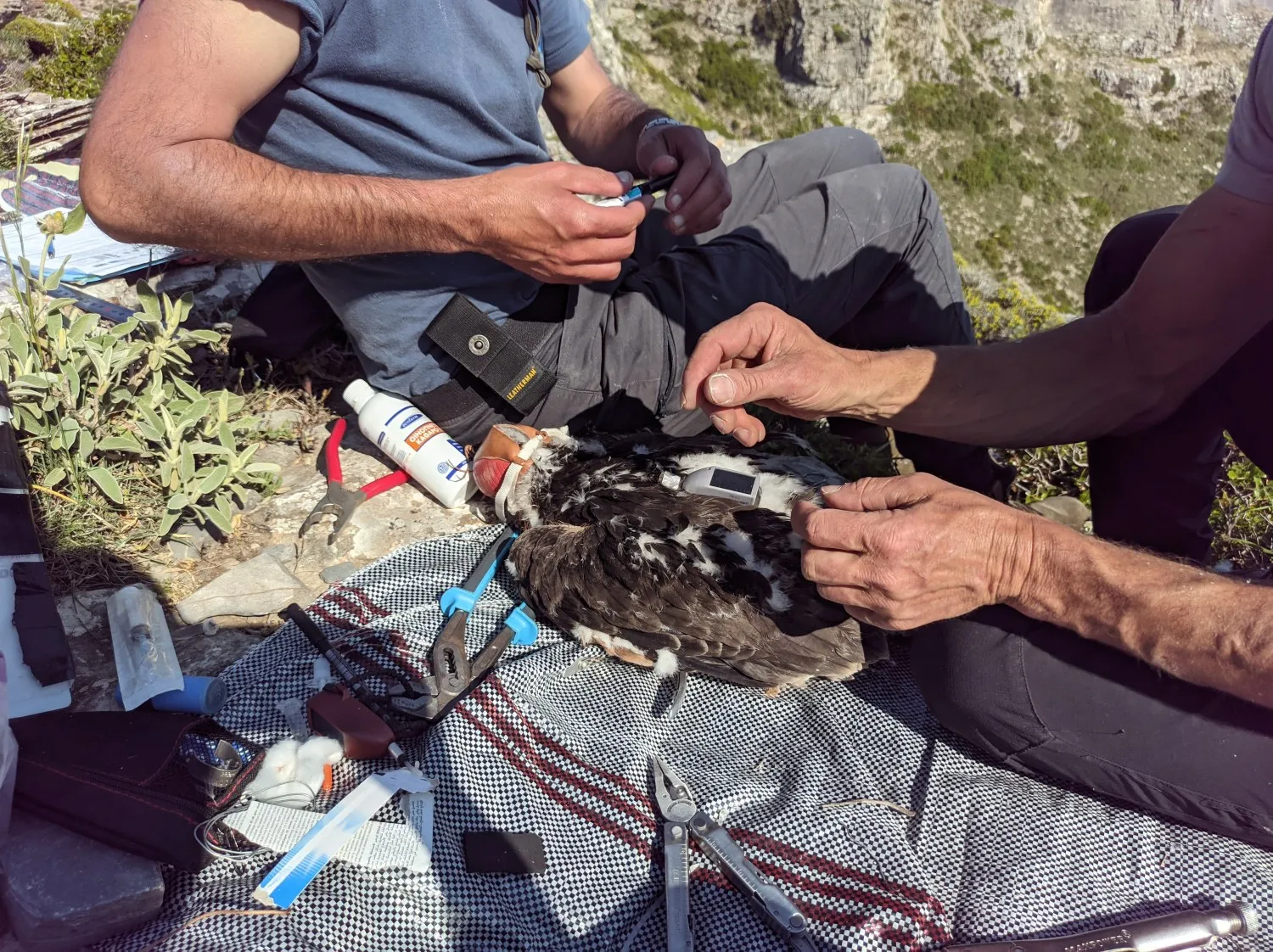
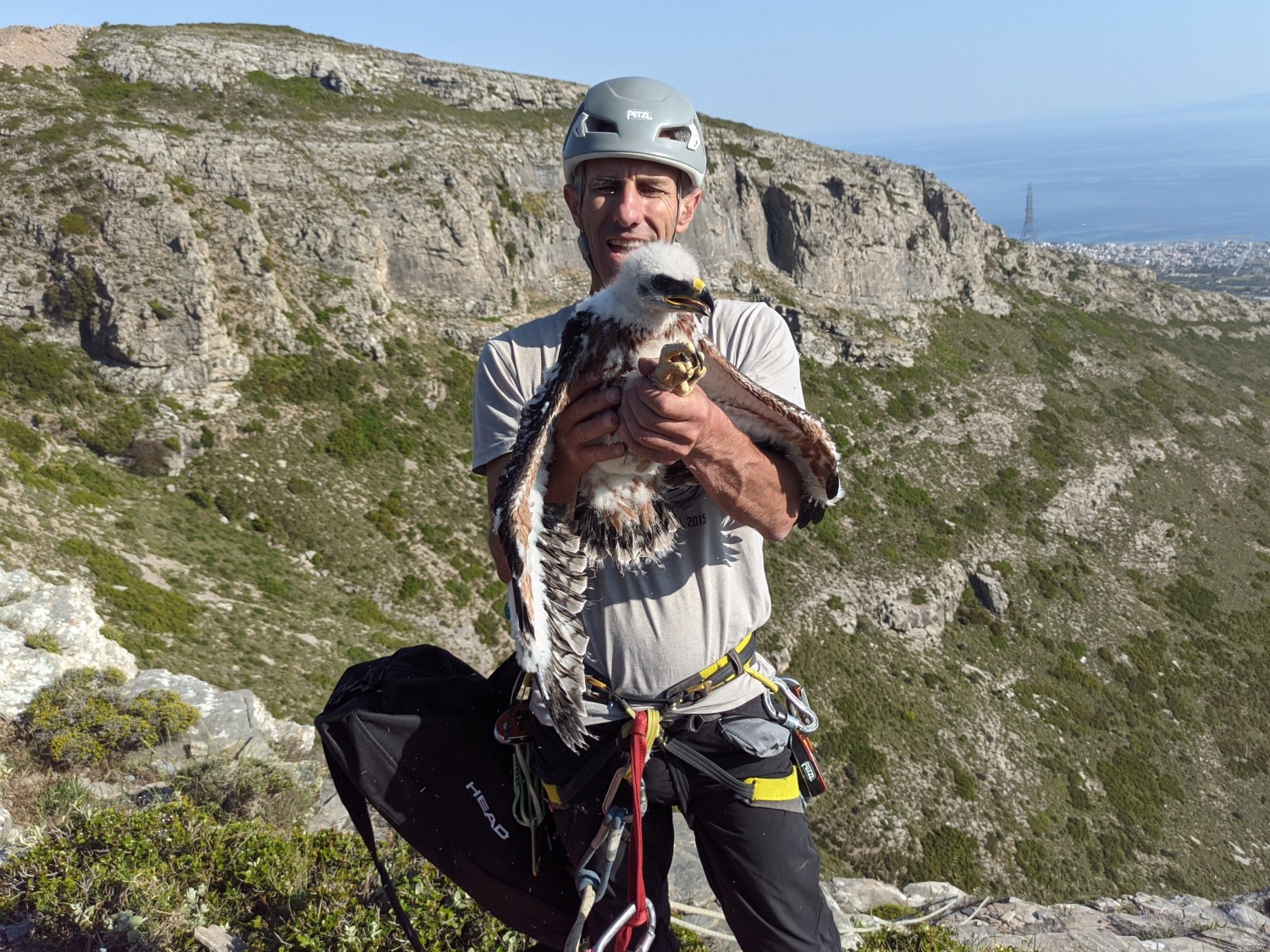
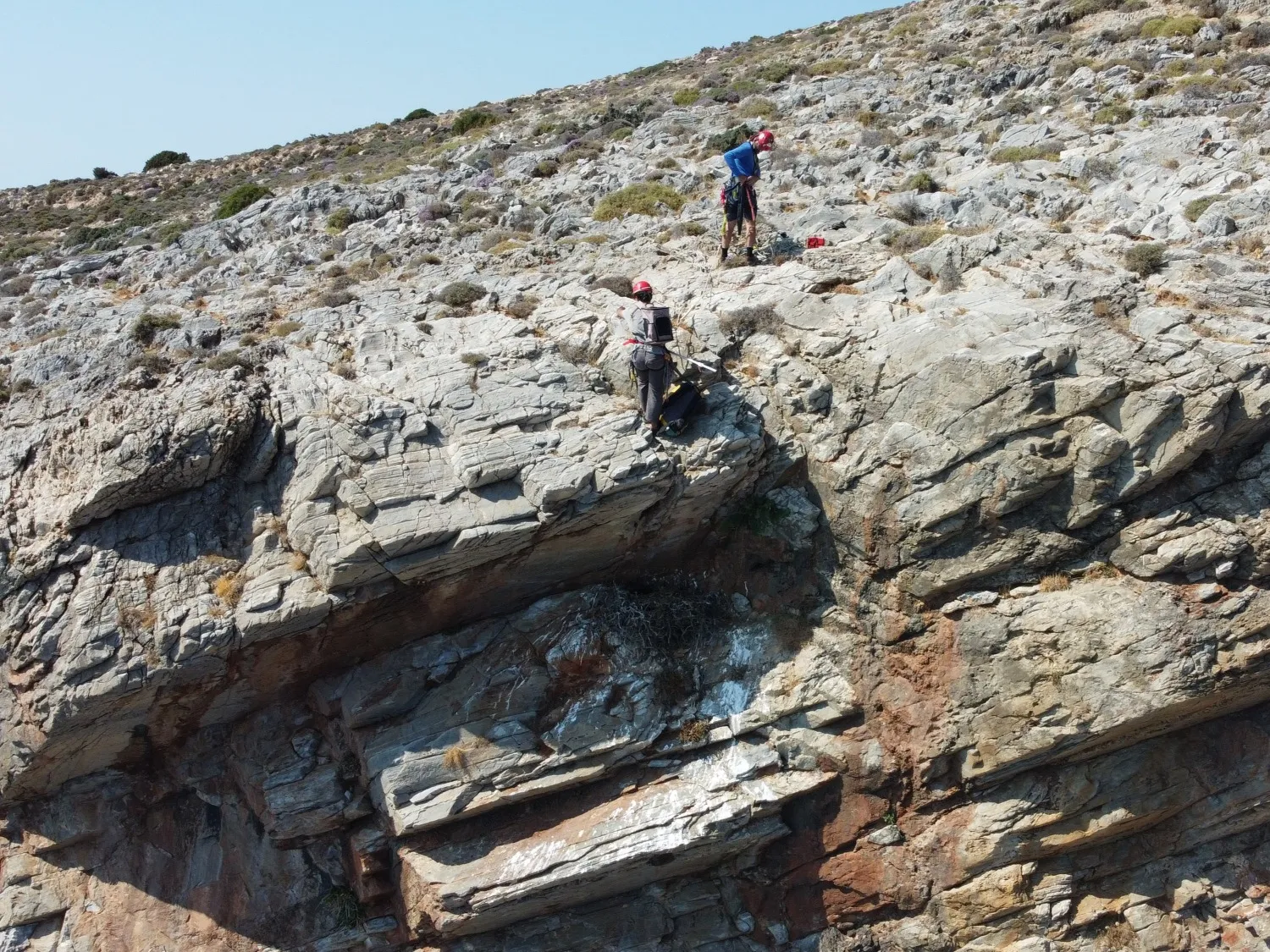
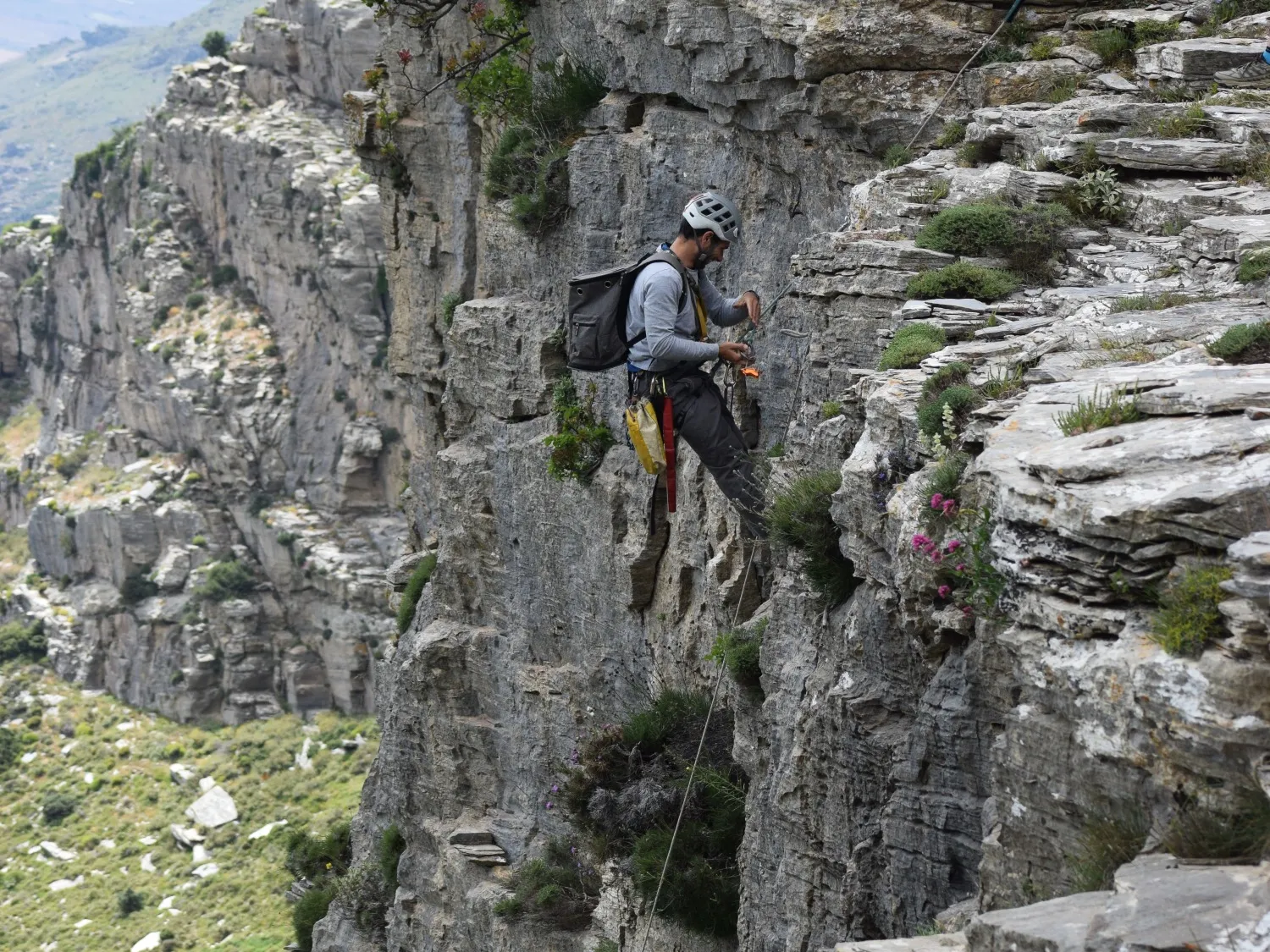
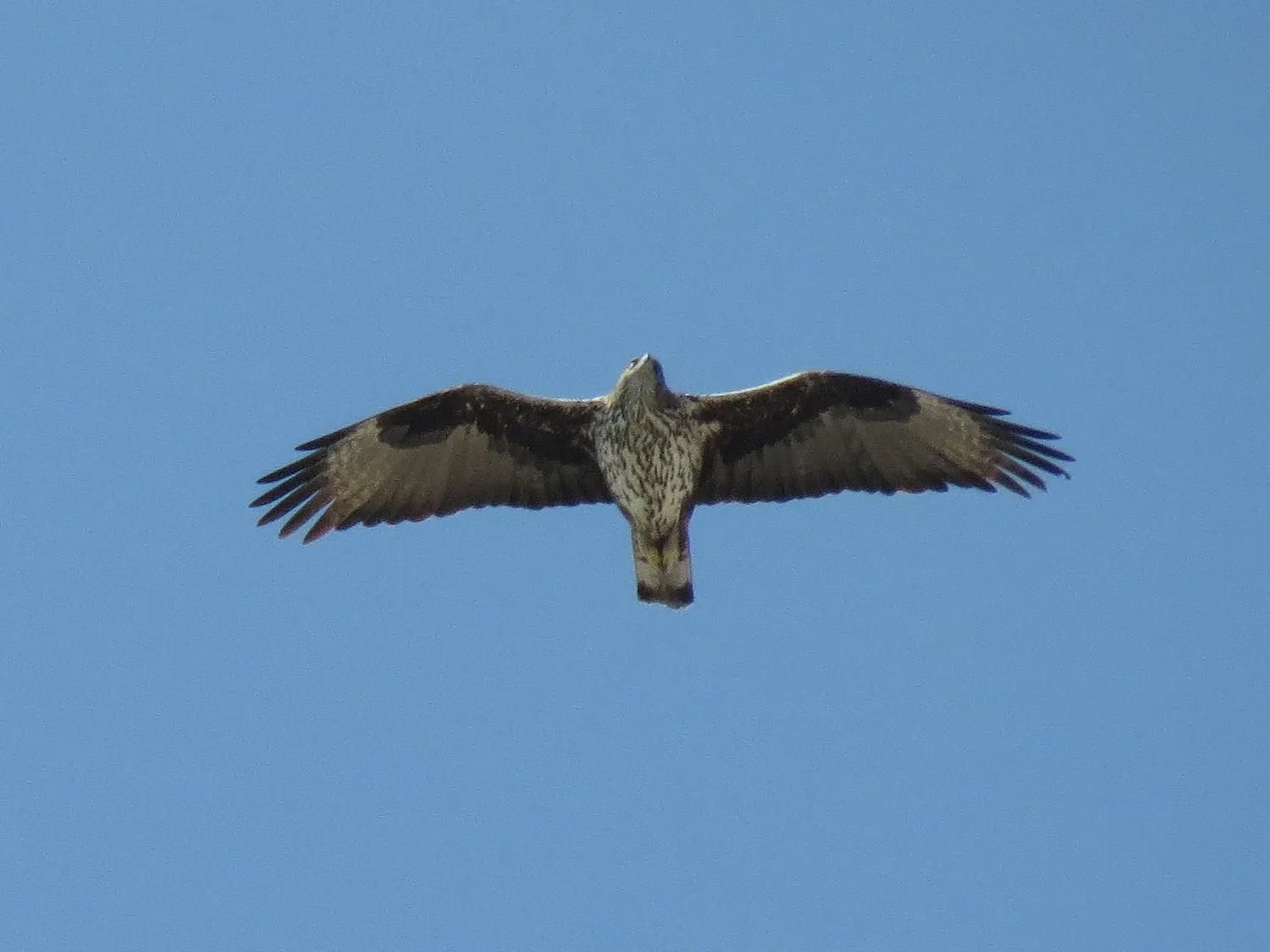
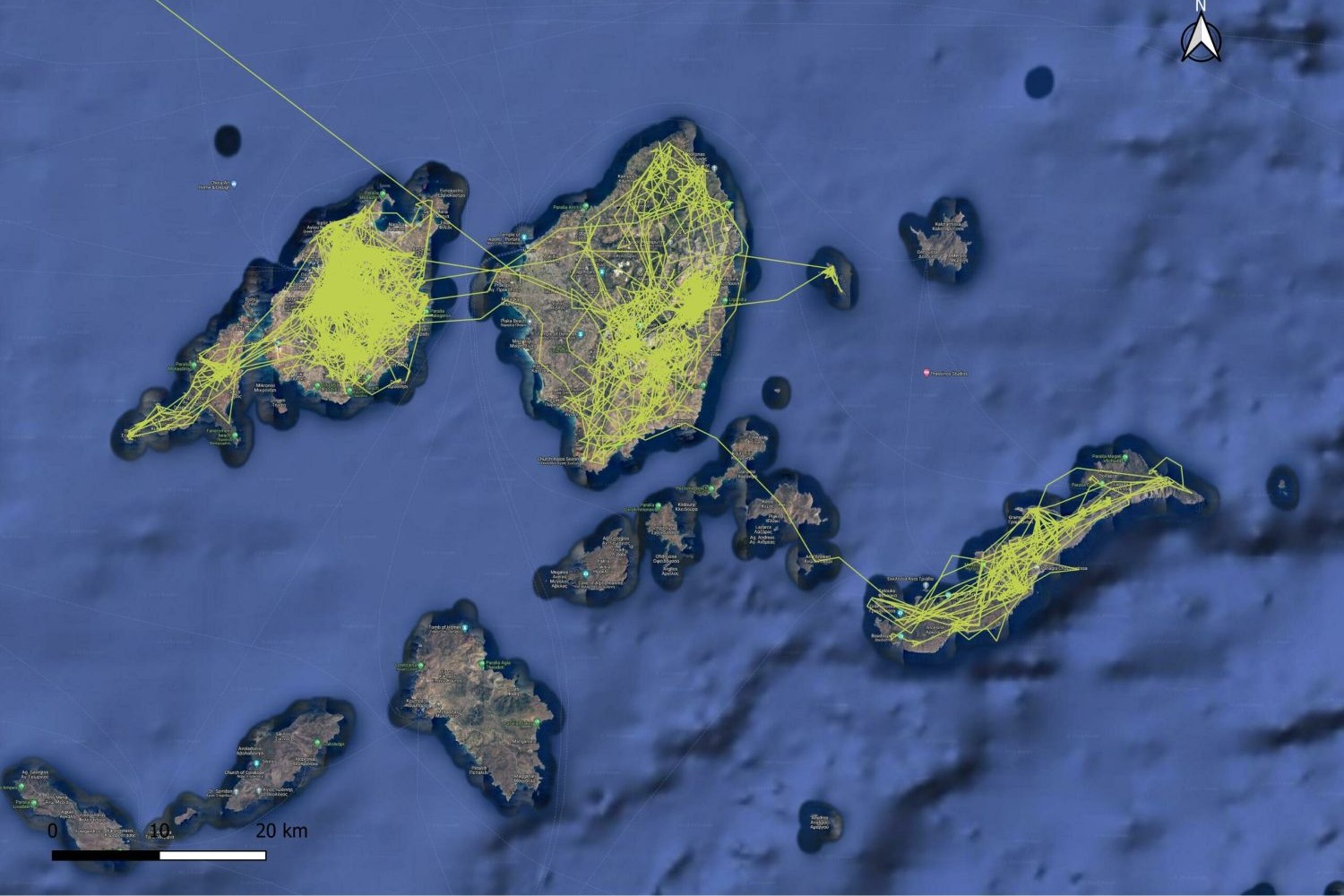
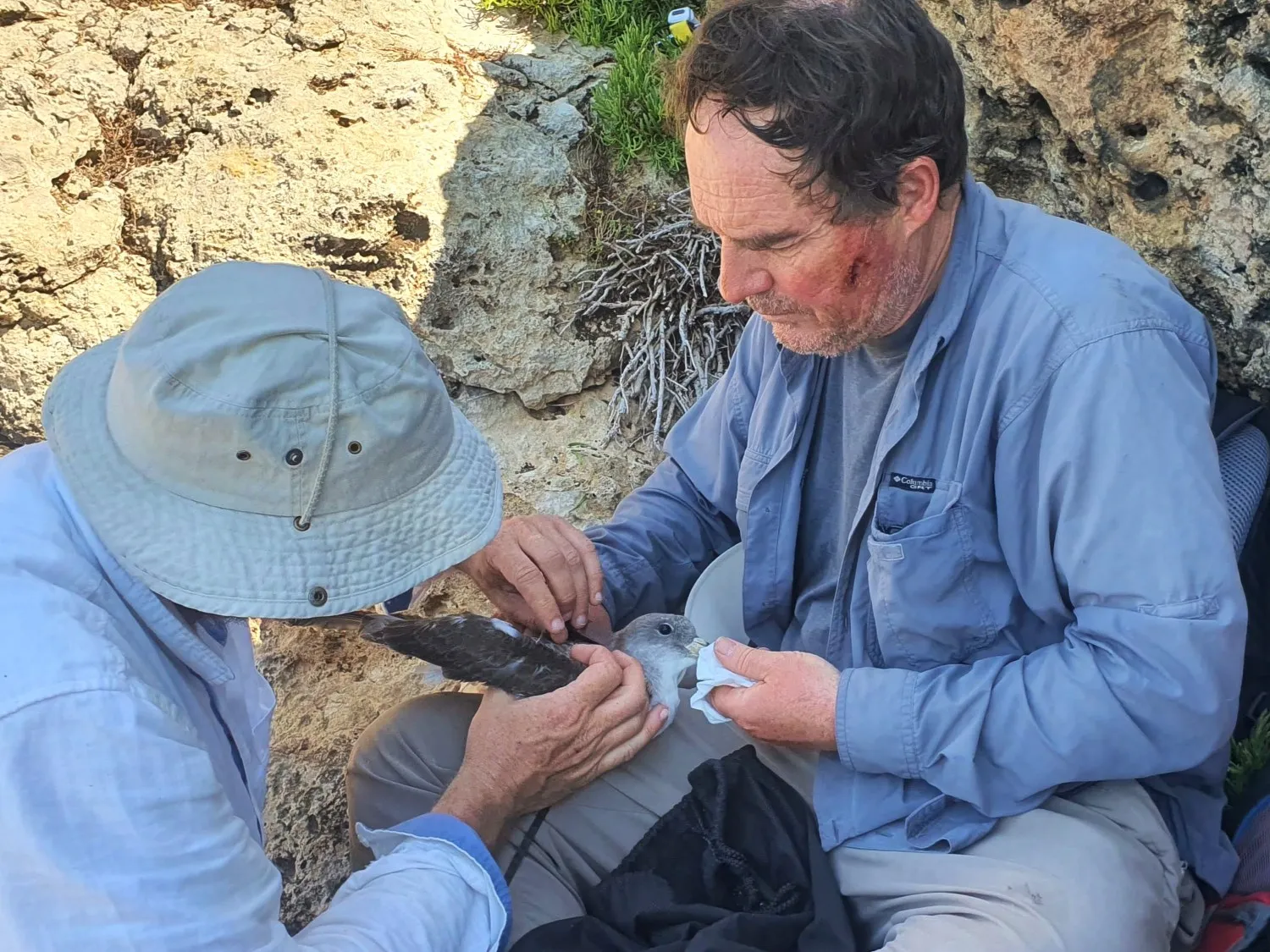
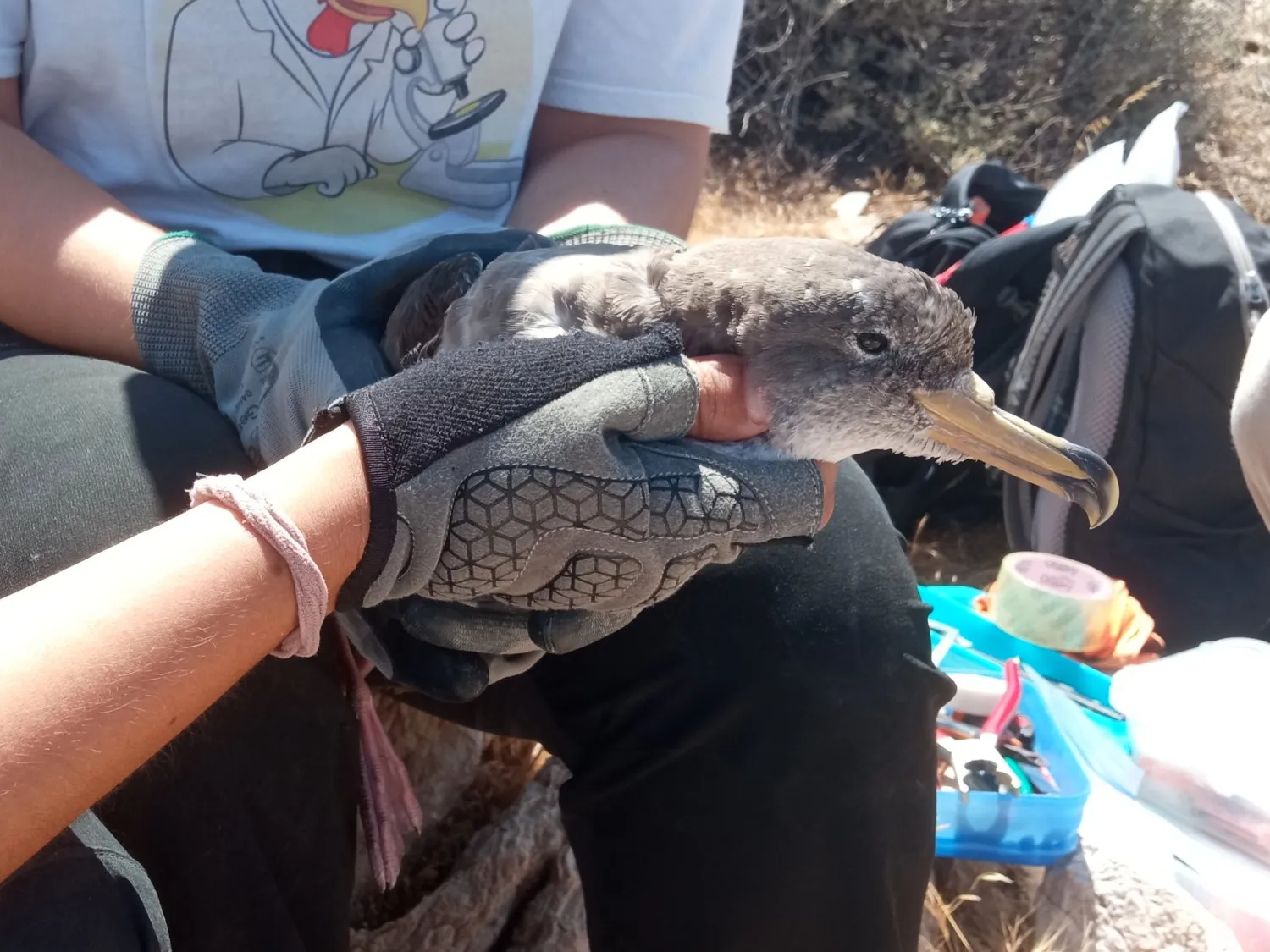
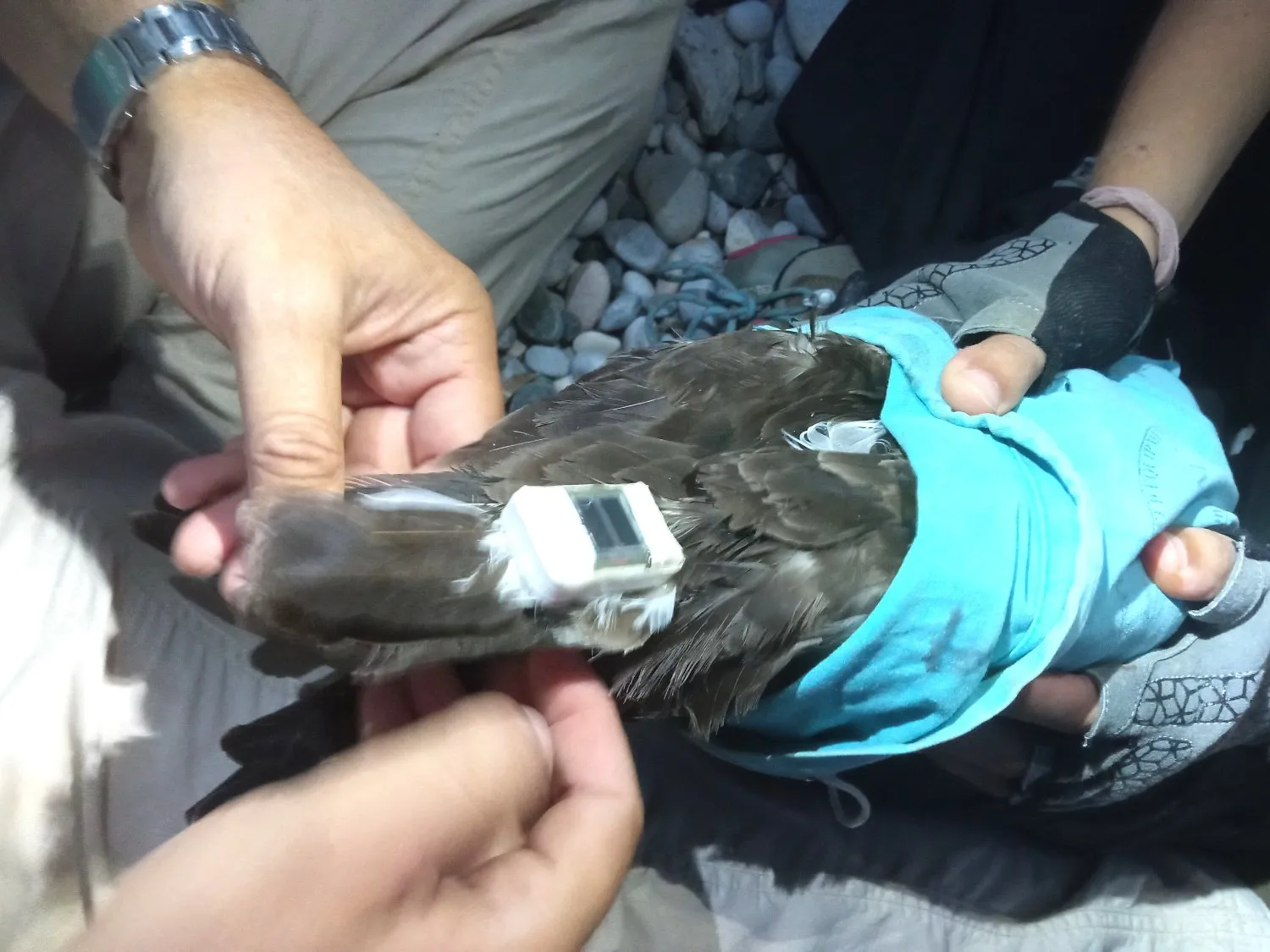
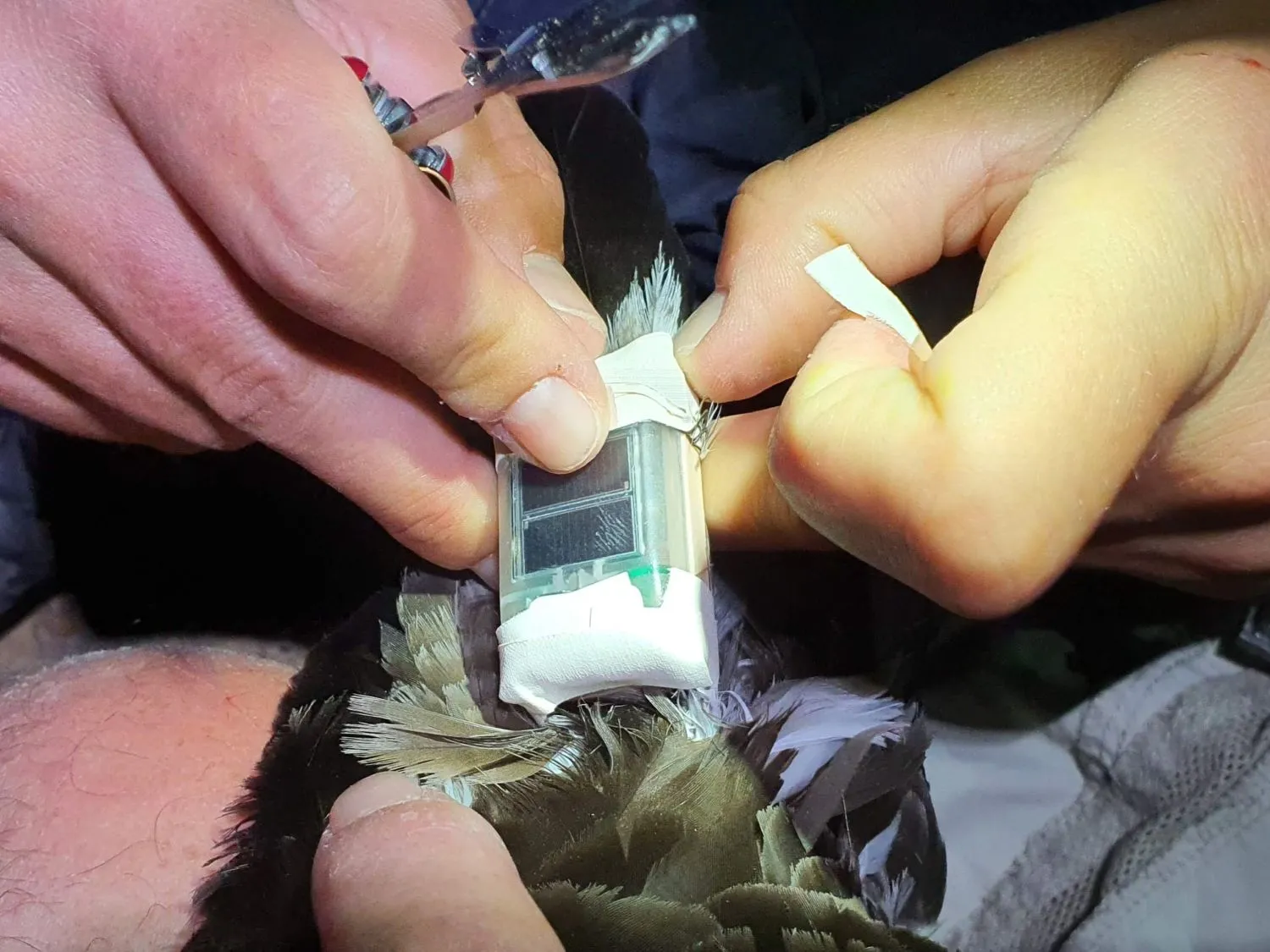
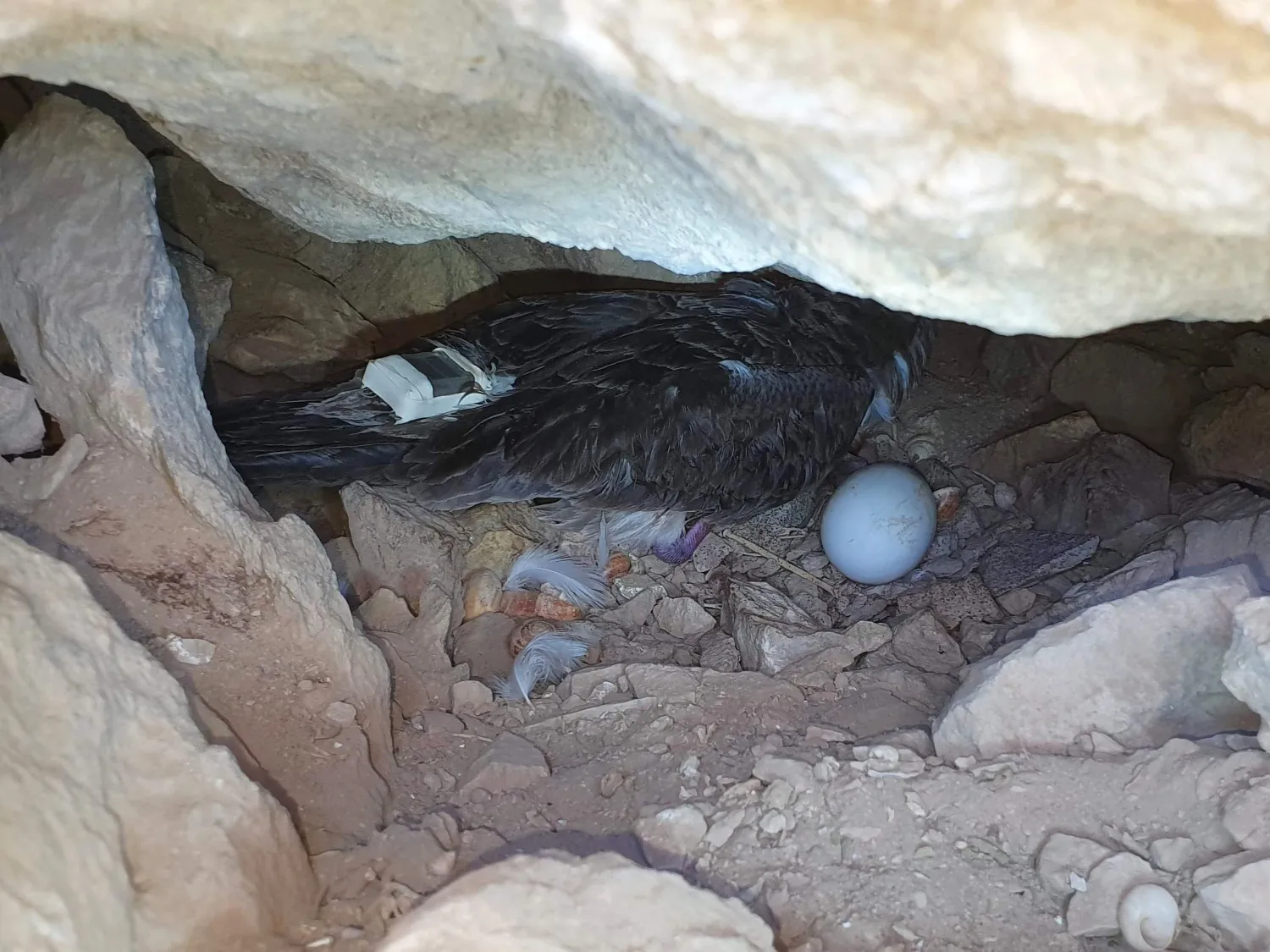
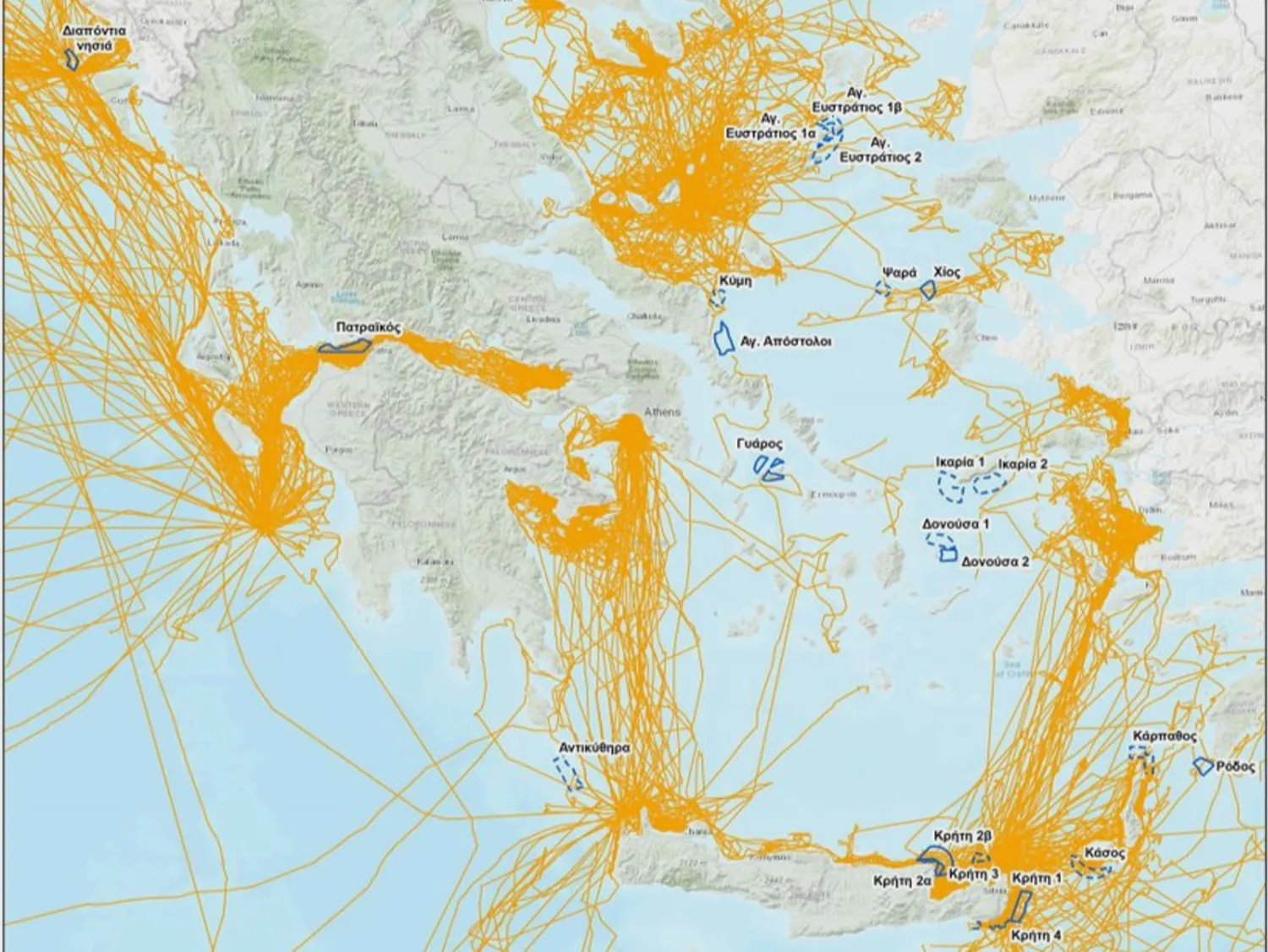
Click on the slider to open it as lightbox (clicking on ⓘ will also display the captions).
.
HYDRO-ACOUSTIC SURVEYS
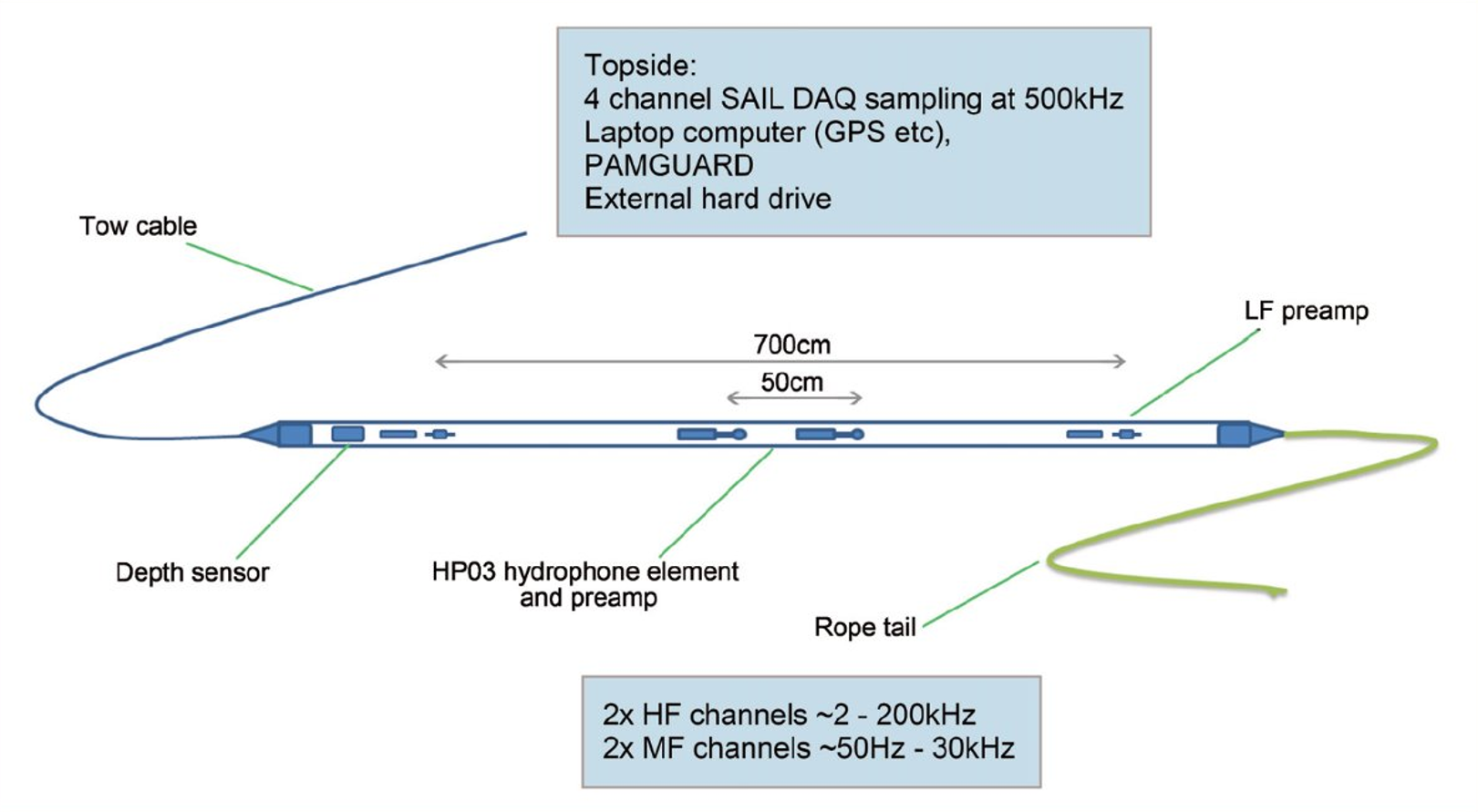
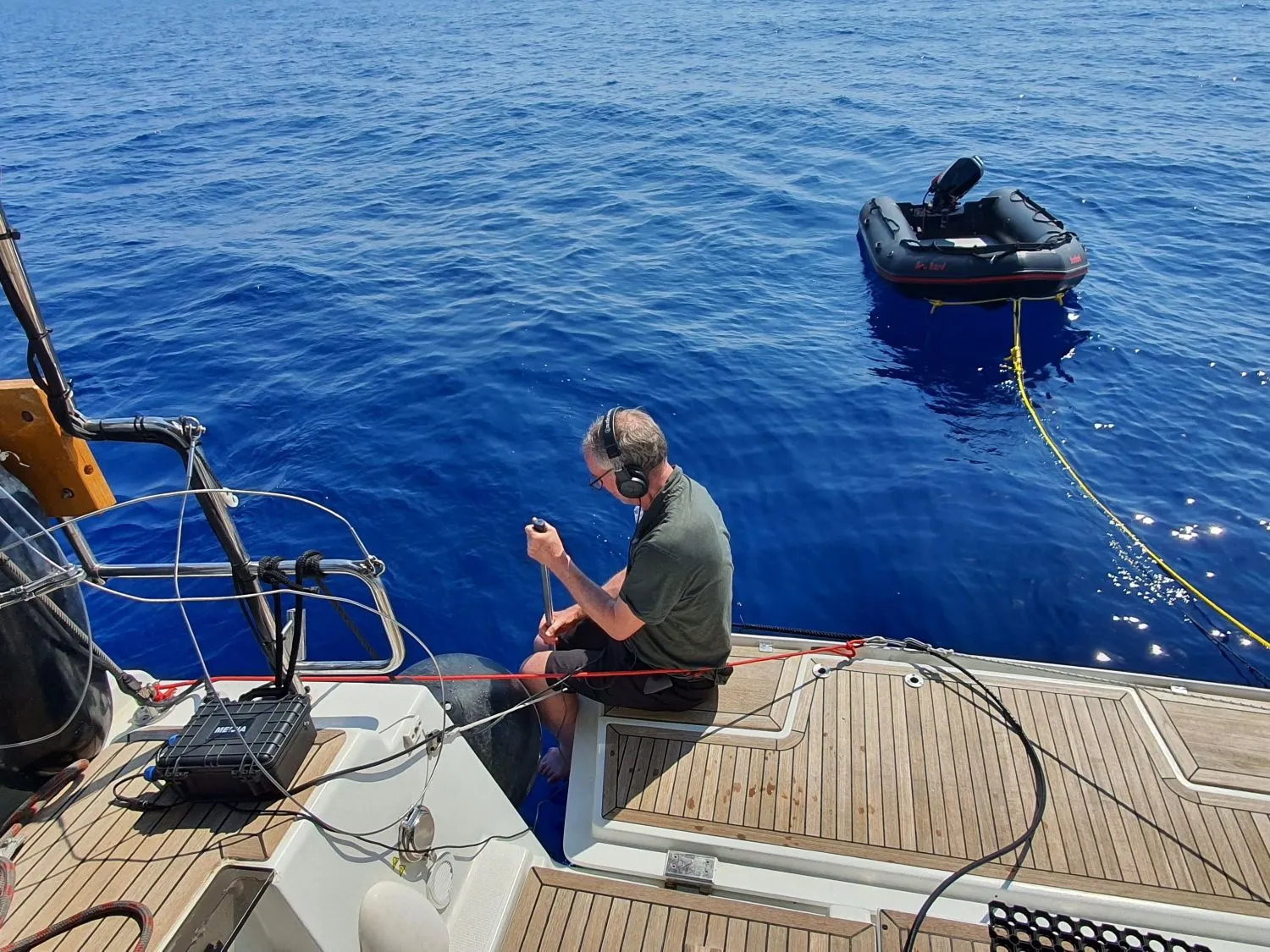
Passive acoustic monitoring (PAM) by hydrophones enables underwater acoustic recording over long periods of time at points of high interest. Acoustic monitoring is crucial for recording cetaceans and underwater noise. It is applied in combination with the corresponding visual recordings and is carried out using electronic systems equipped with towed, moored, or drifting hydrophones.
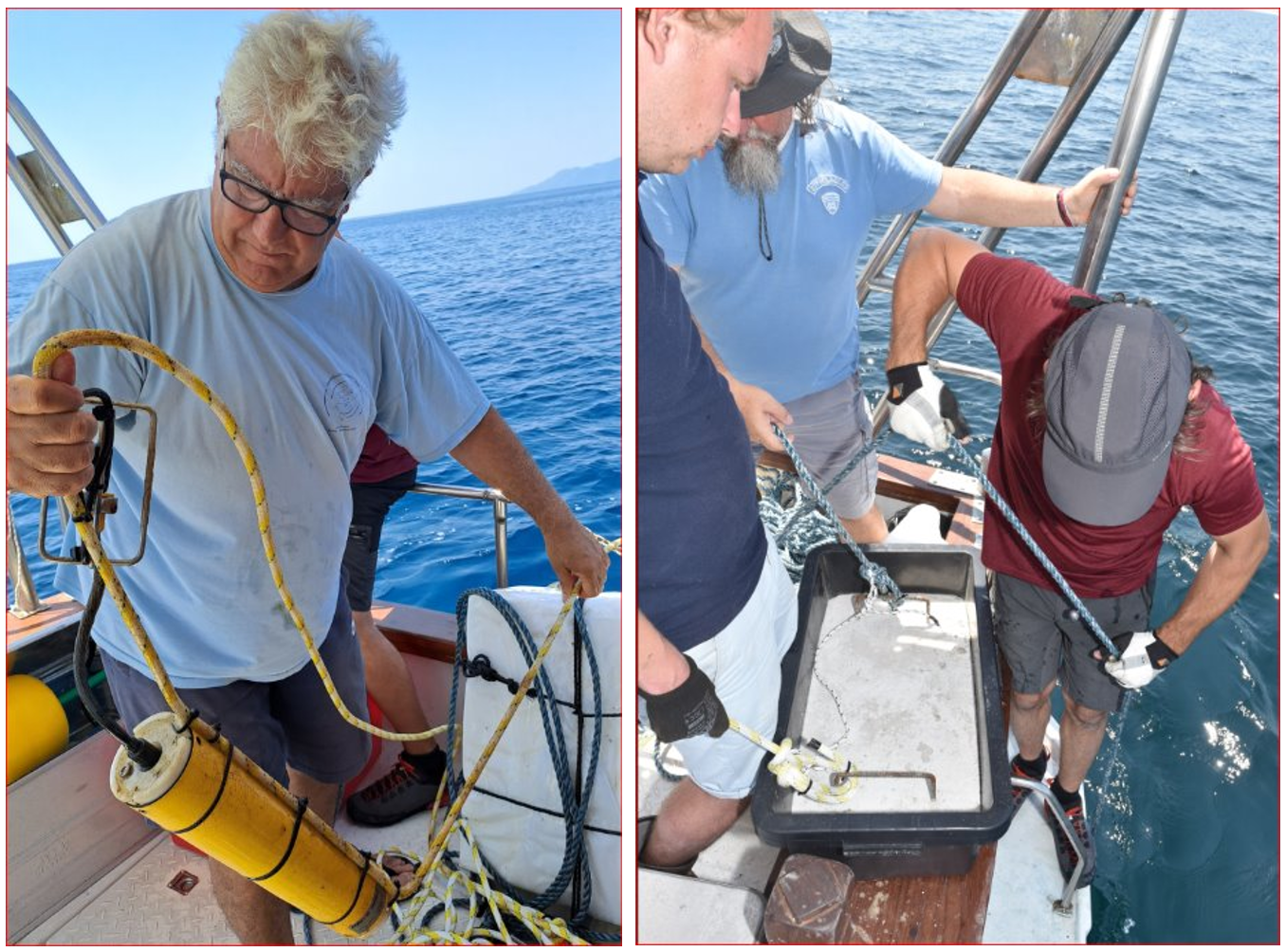
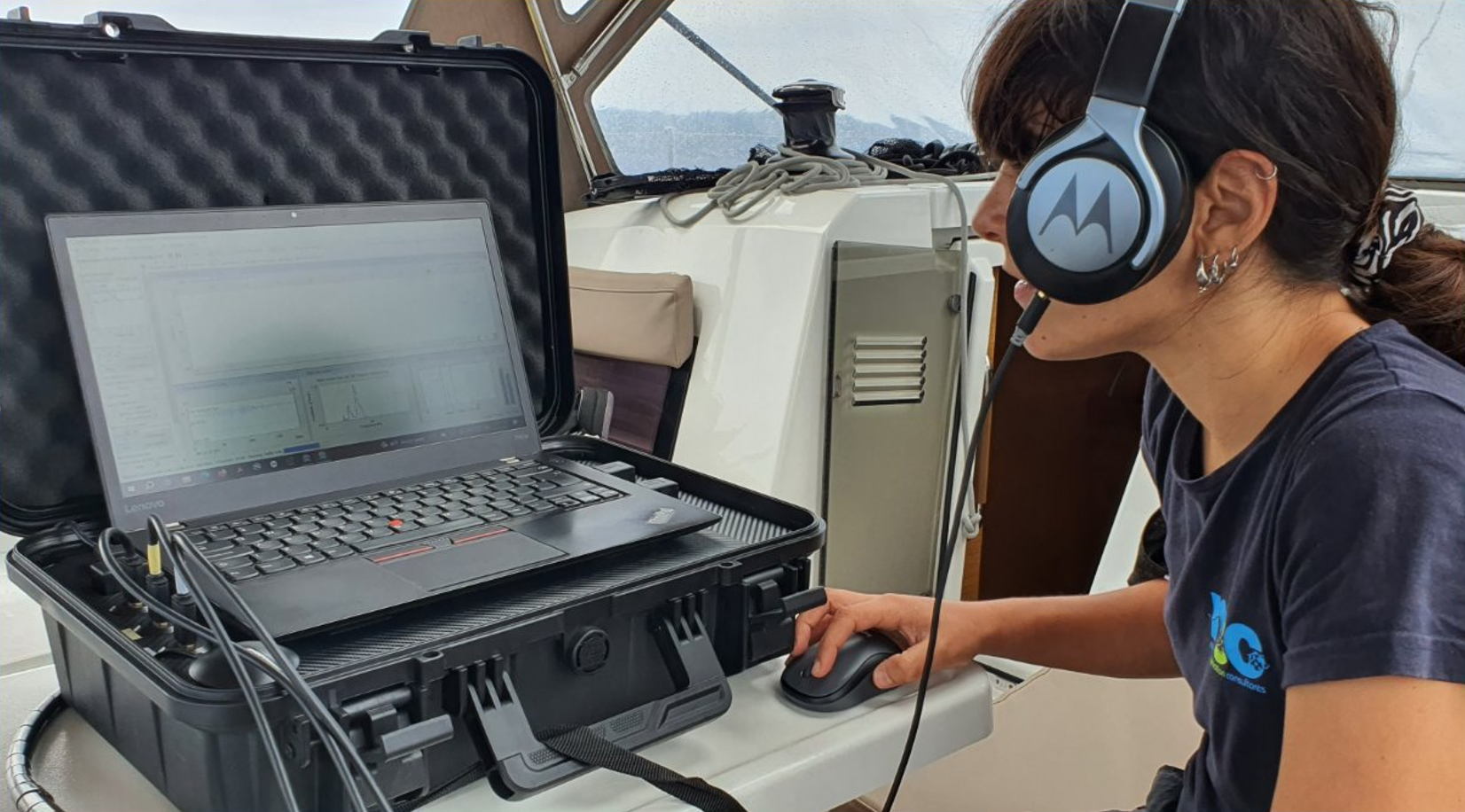
The NCC conducts passive acoustic monitoring surveys using all available means to study underwater noise, the goal being to identify the sounds of marine mammals in the recorded files. For data collection it uses a 200-meter-long hydrophone towed by boat, or places autonomous hydrophones in monitoring areas for continuous long-term recordings, and explores the possibilities of using floating hydrophone arrays. The data collected are filtered and processed to extract the important information. The processing is carried out by specialized personnel using special acoustic analysis programs.
.
Photos of recording with hydrophones:
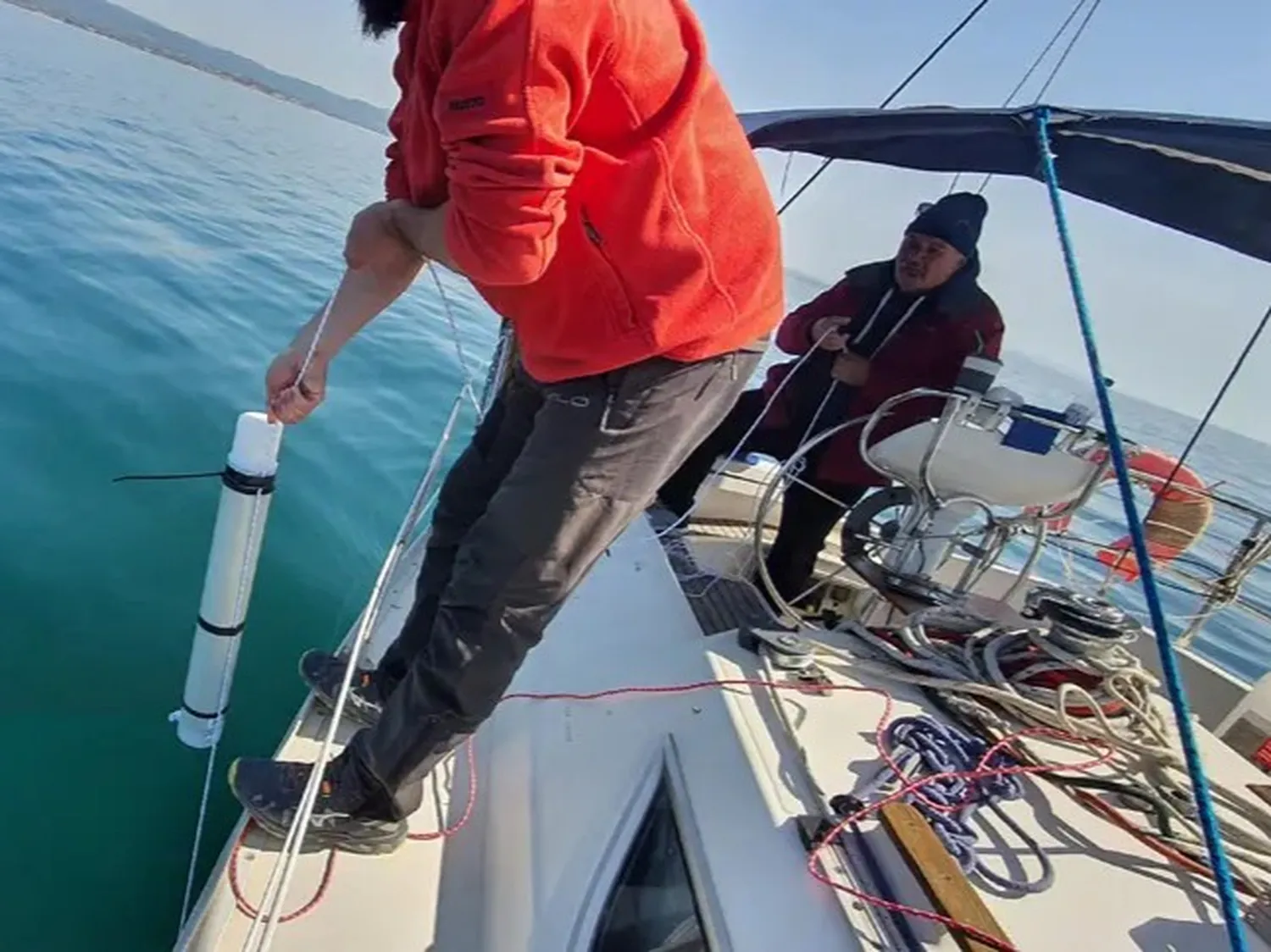
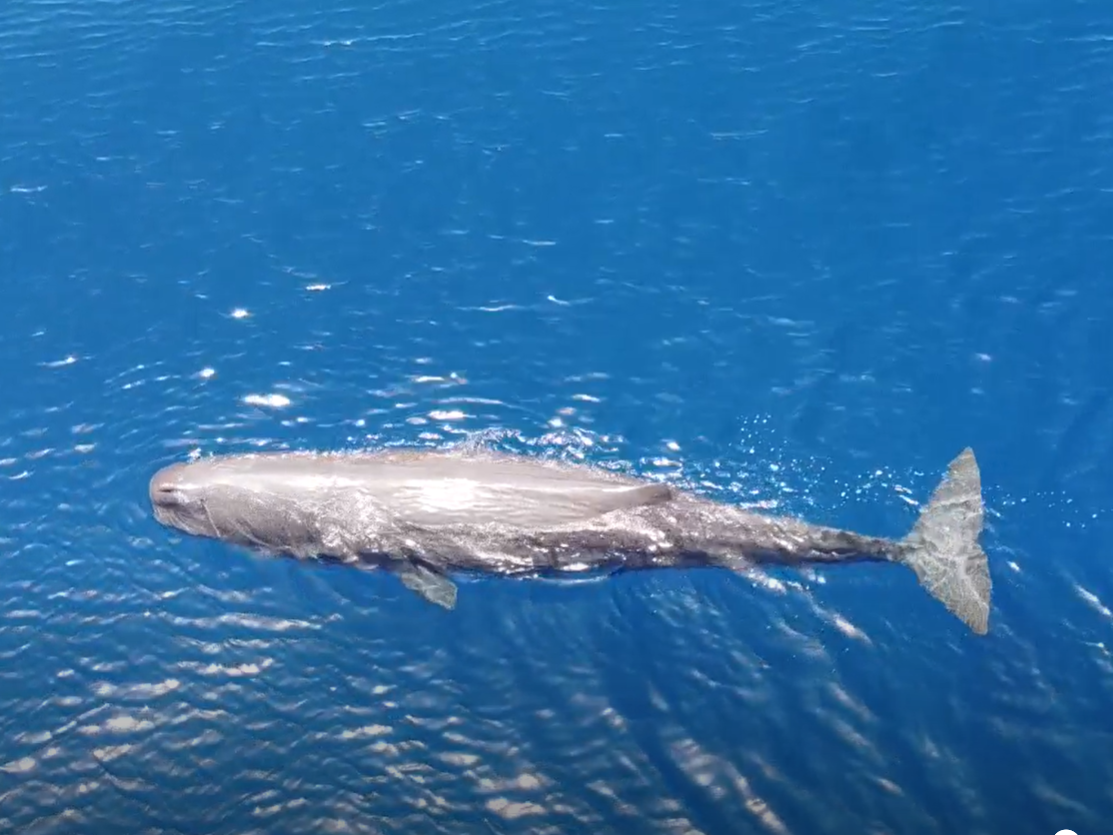




Click on the slider to open it as lightbox (clicking on ⓘ will also display the captions).
.
SURVEYS WITH THERMAL CAMERAS
Thermal imaging methods are essential for the supplementary monitoring of nocturnal species such as large mammals and of migratory birds, which fly during the night.
NCC uses modern thermal recording methods, such as night vision thermal cameras for visual scanning of the area. This method is important for monitoring large mammals, such as wolves and bears, but also for identifying their suitable habitats. It is also used to monitor the nocturnal migration and movement of birds and bats flying at low altitudes not exceeding a few tens of meters.
.
Photos of thermal cameras:
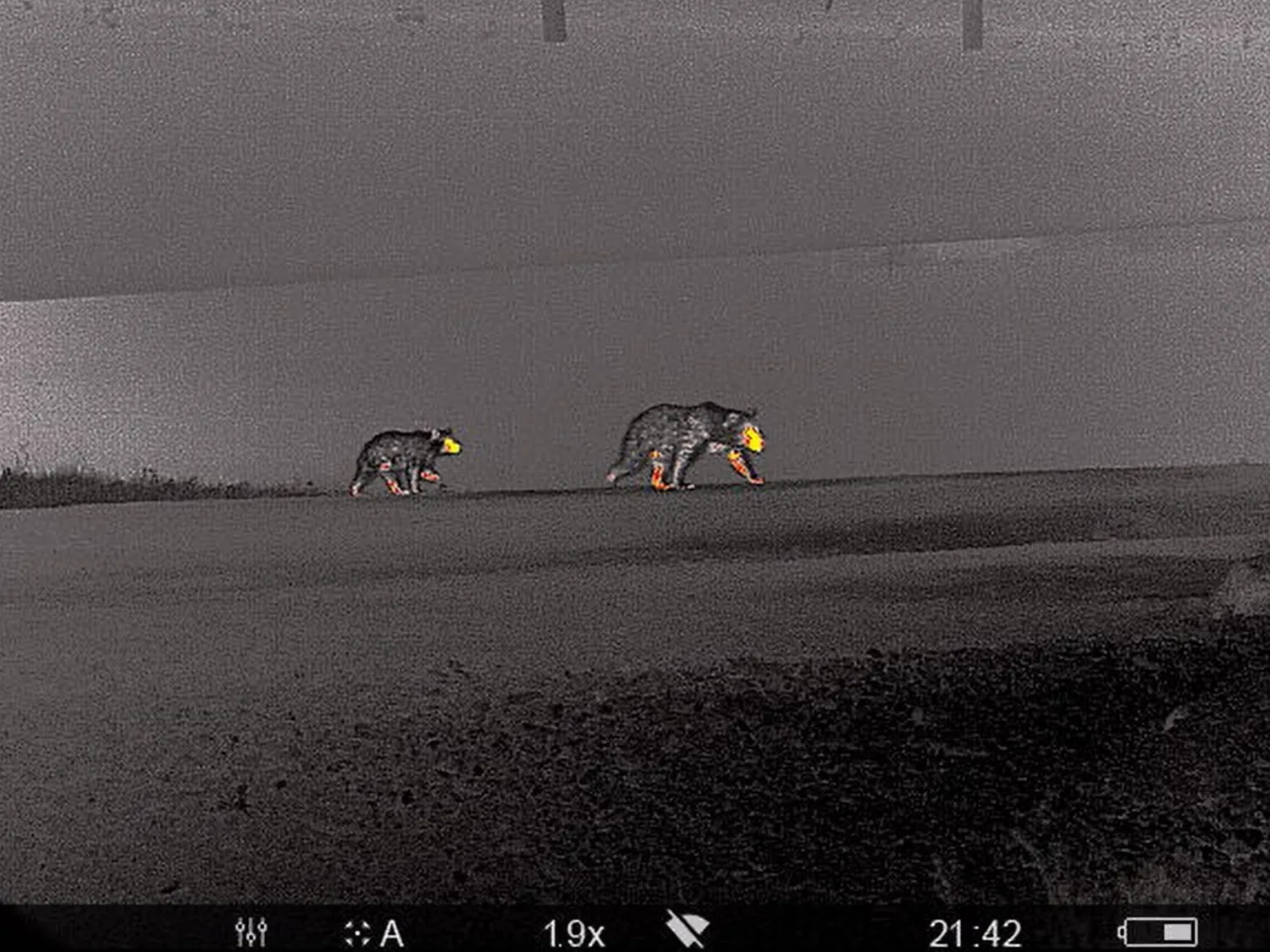
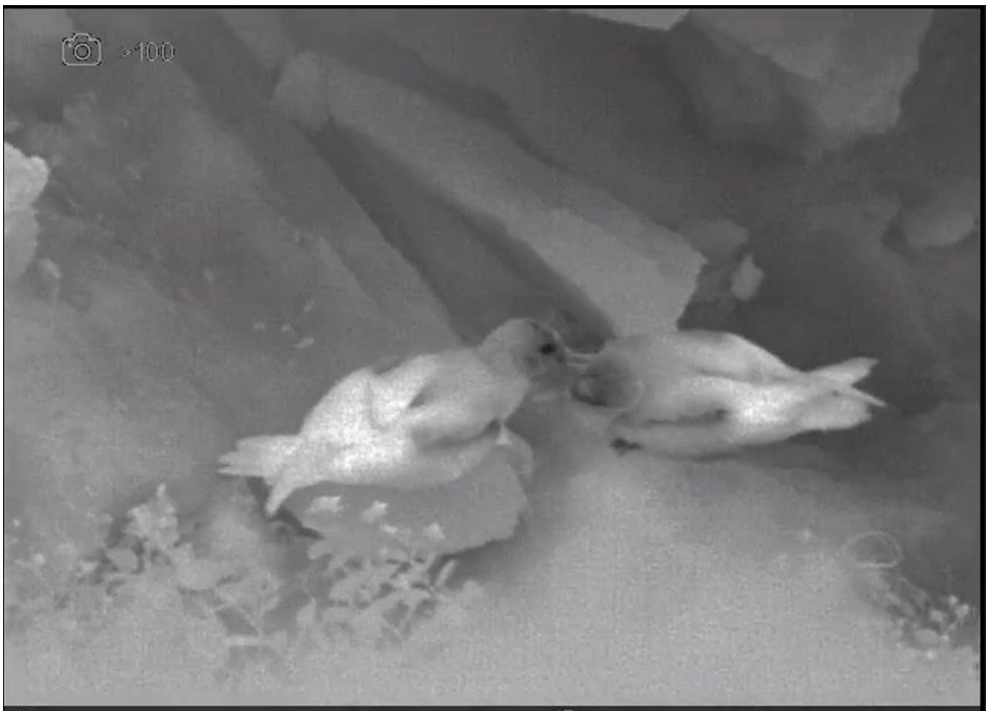
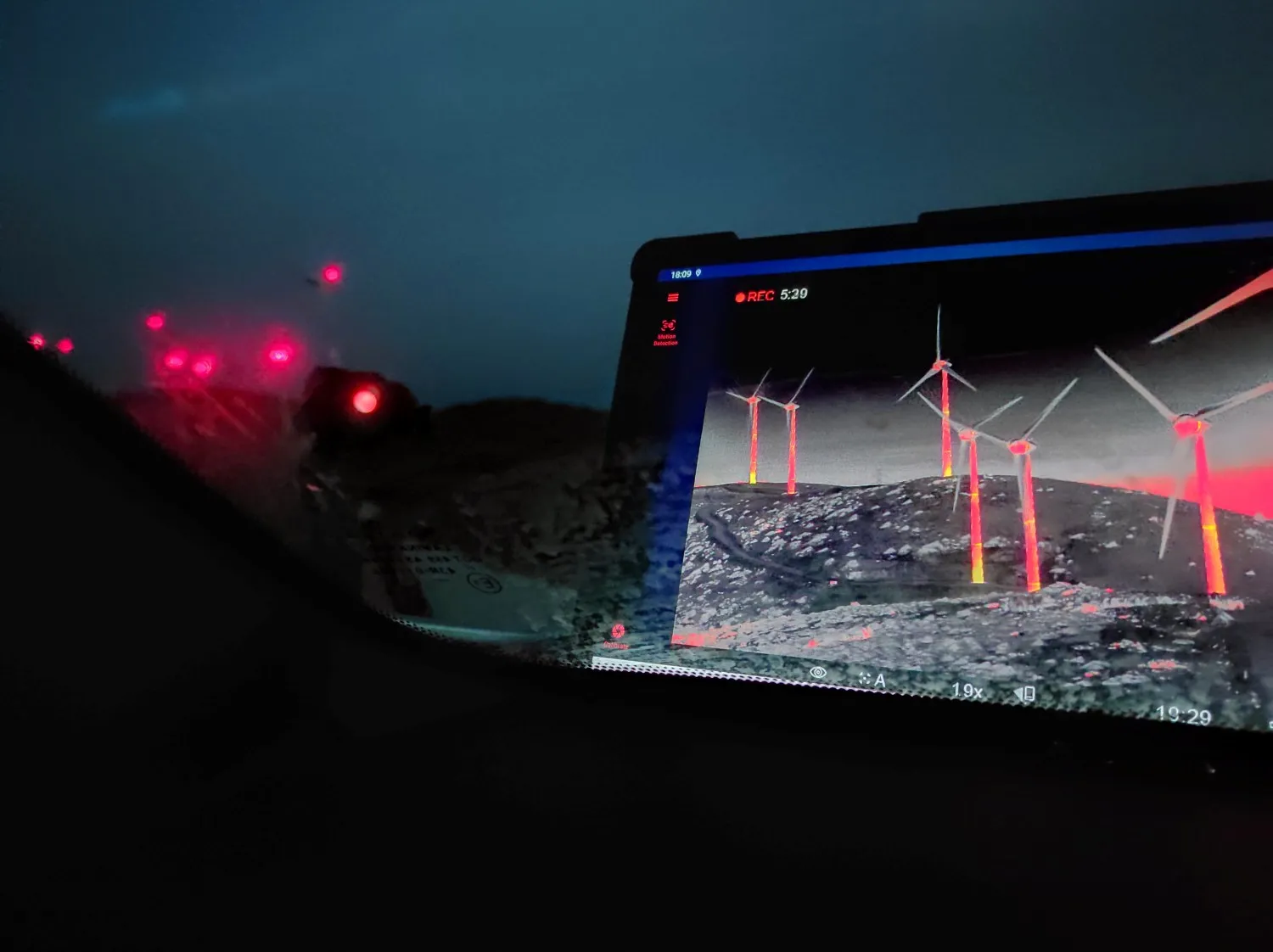
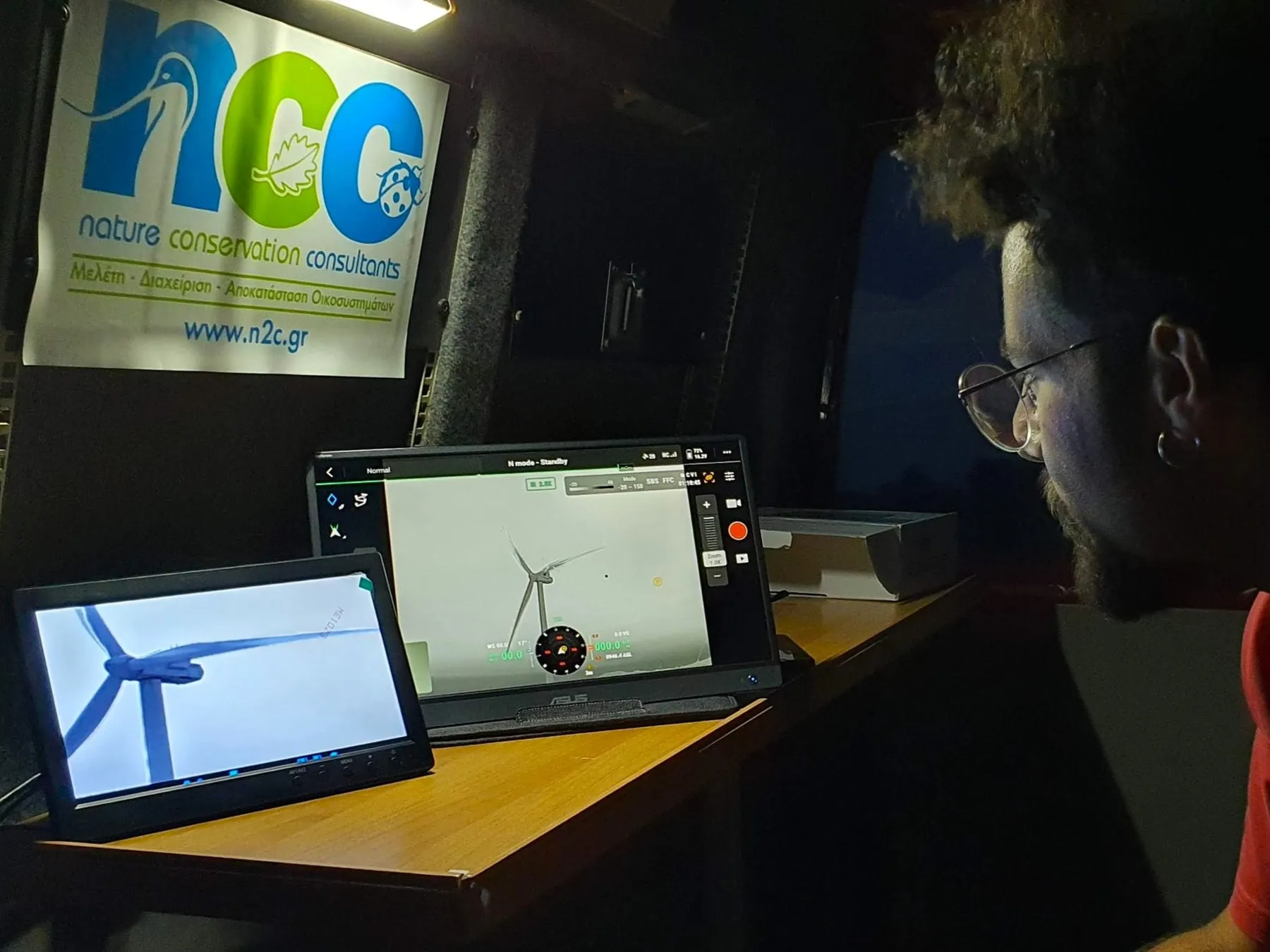
Click on the slider to open it as lightbox (clicking on ⓘ will also display the captions).
.
AUTOMATIC SURVEY SYSTEMS
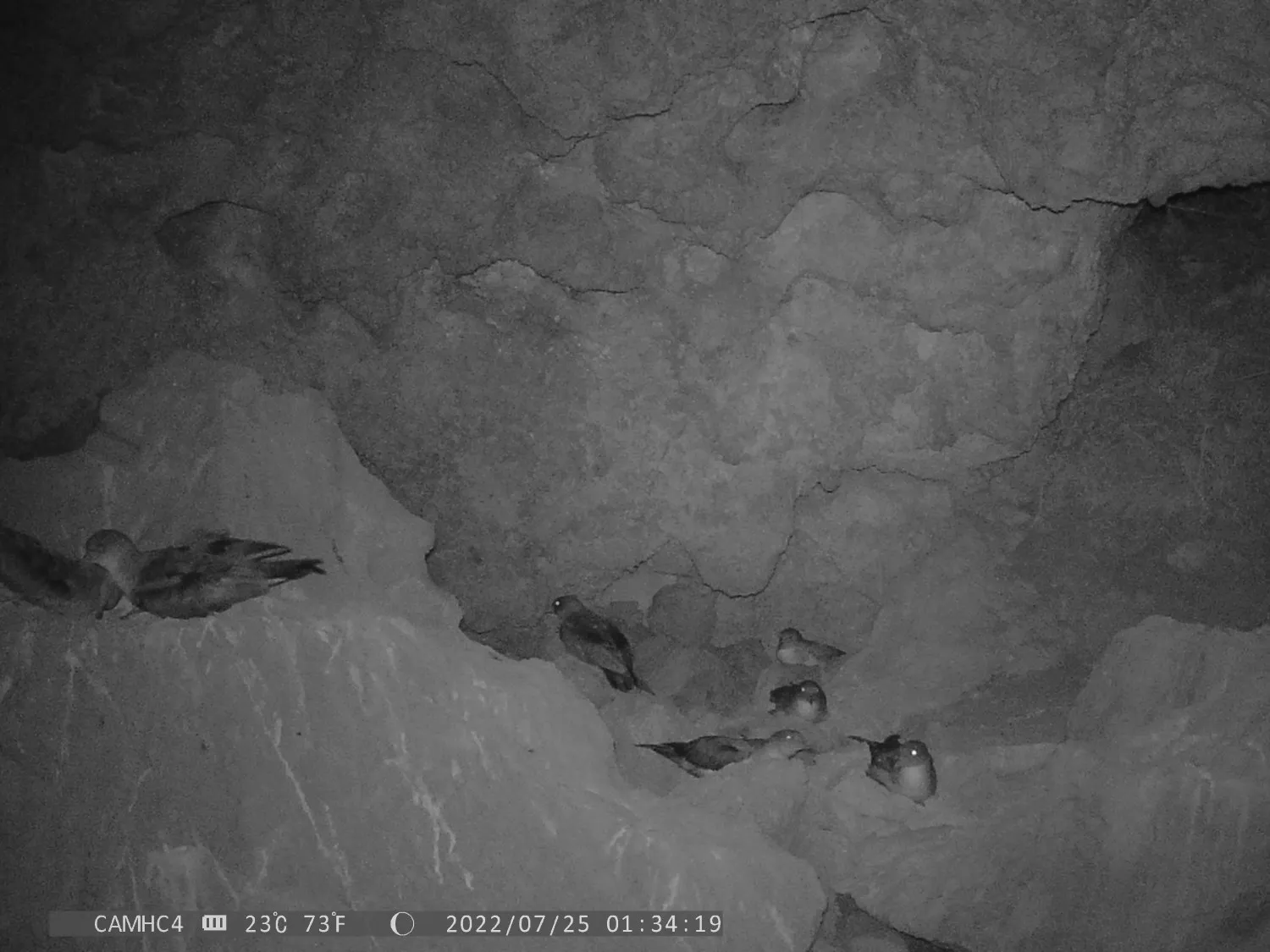
Automatic recording systems (trail cameras, PTZ cameras, nest cameras) are mainly used to monitor wildlife and bird species that use a specific area. They allow the monitoring of individual wildlife species in their nesting sites, as well as in places they frequently pass through, without disturbing them. The cameras are activated by movement and take photographs and videos.
Investing in modern methods for recording biodiversity, the company uses automatic infrared motion recording systems to monitor species of interest.
.
Photos of trail cameras (above) and nest cameras (below):
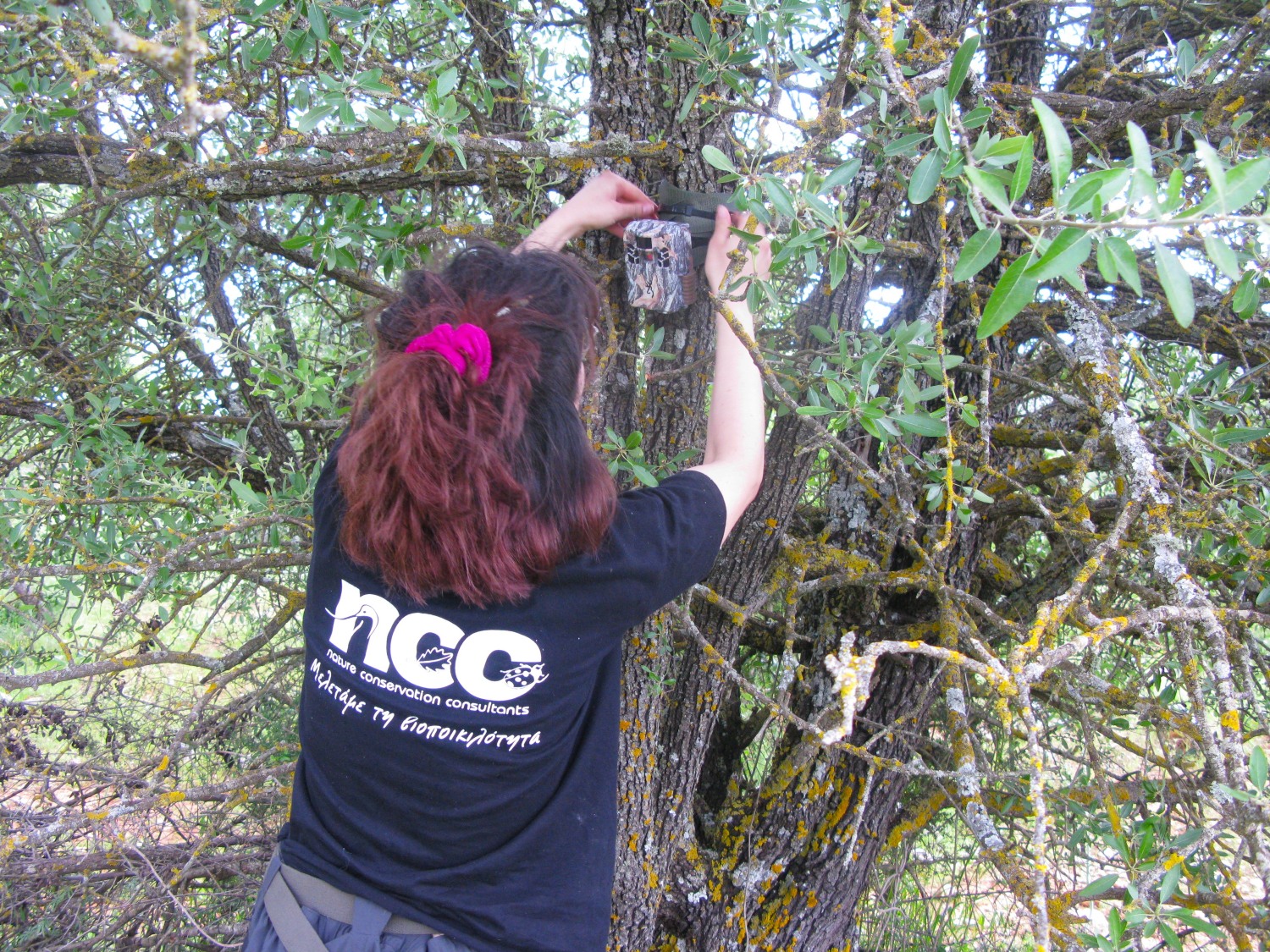
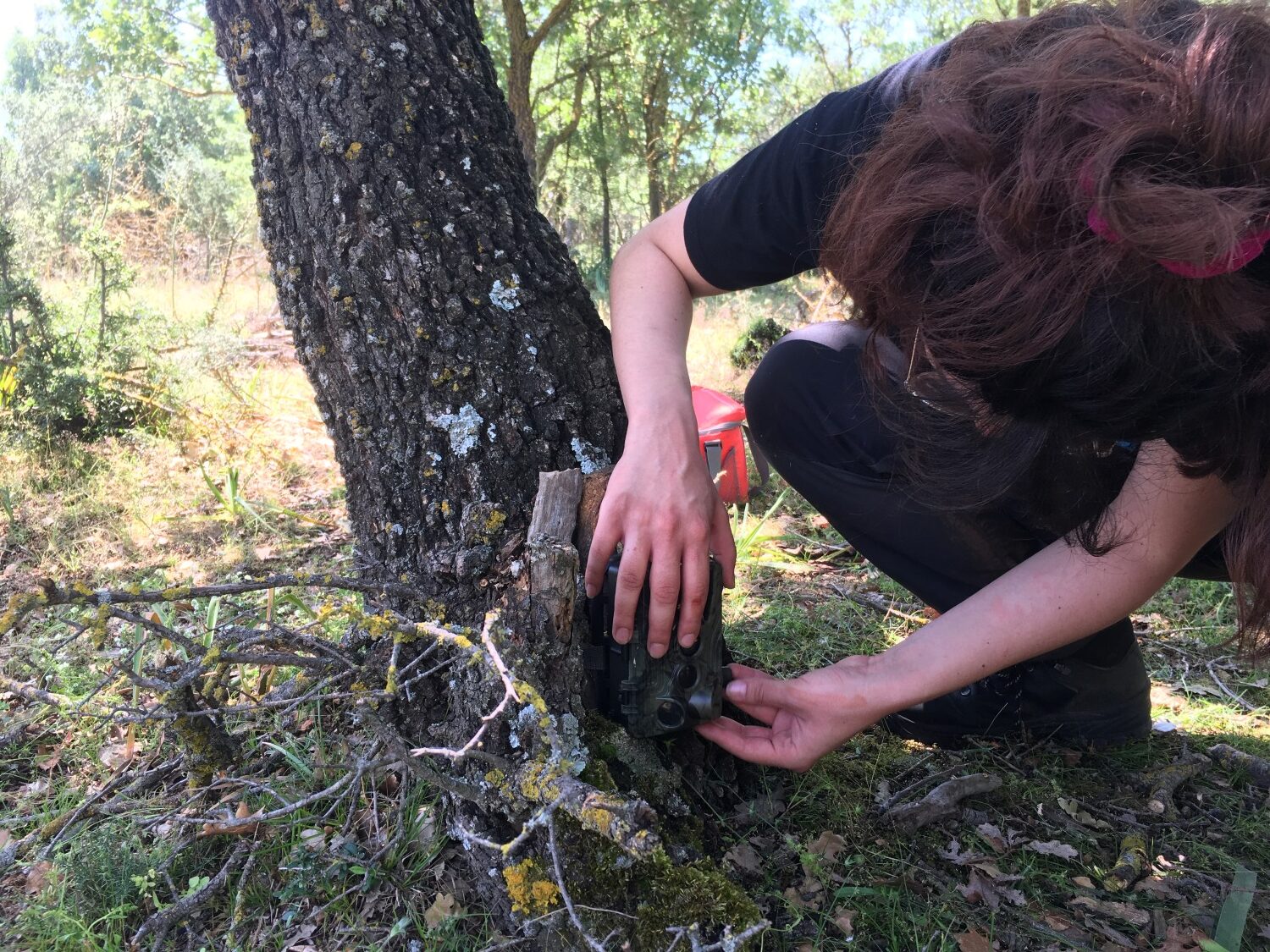
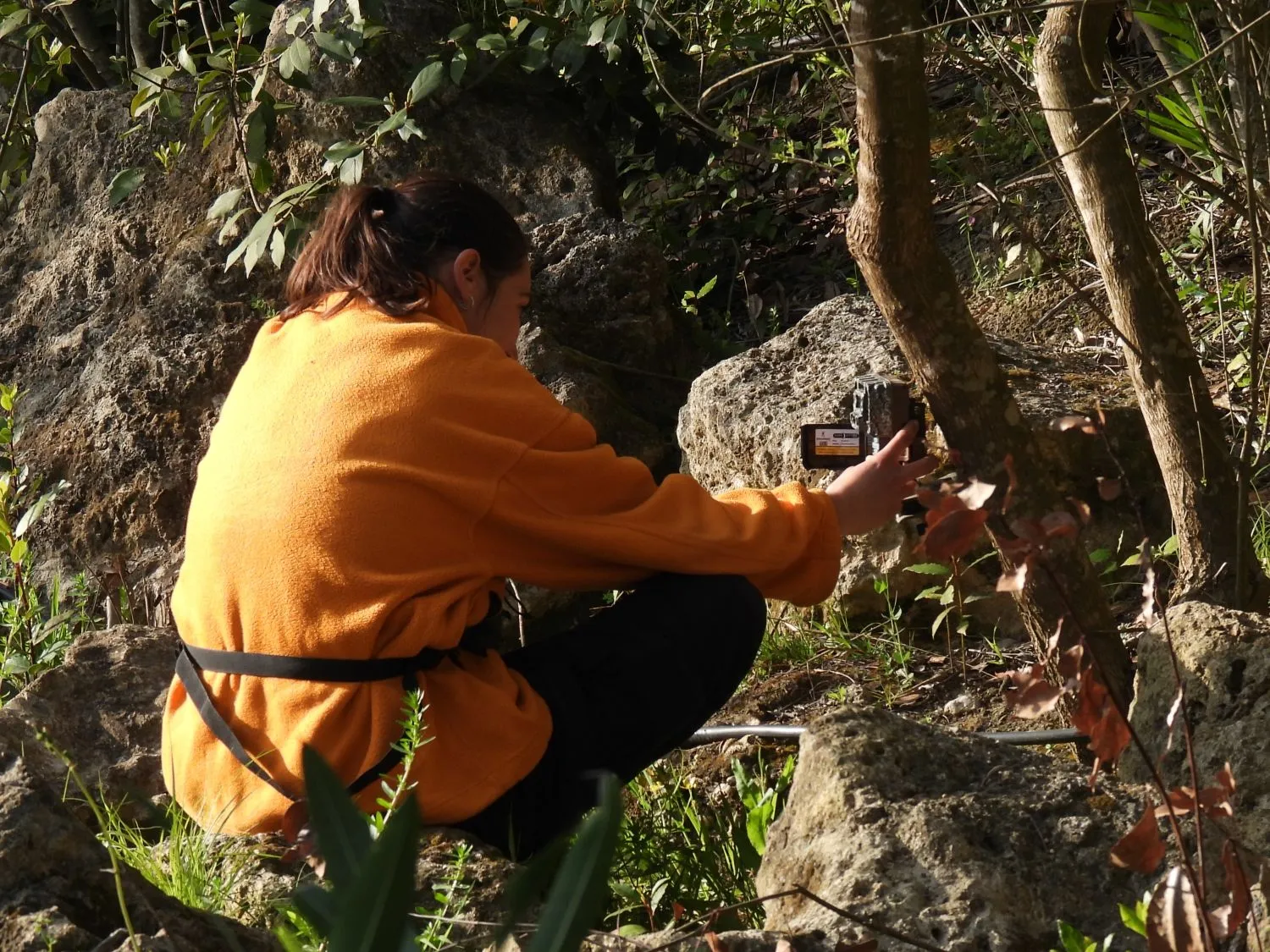
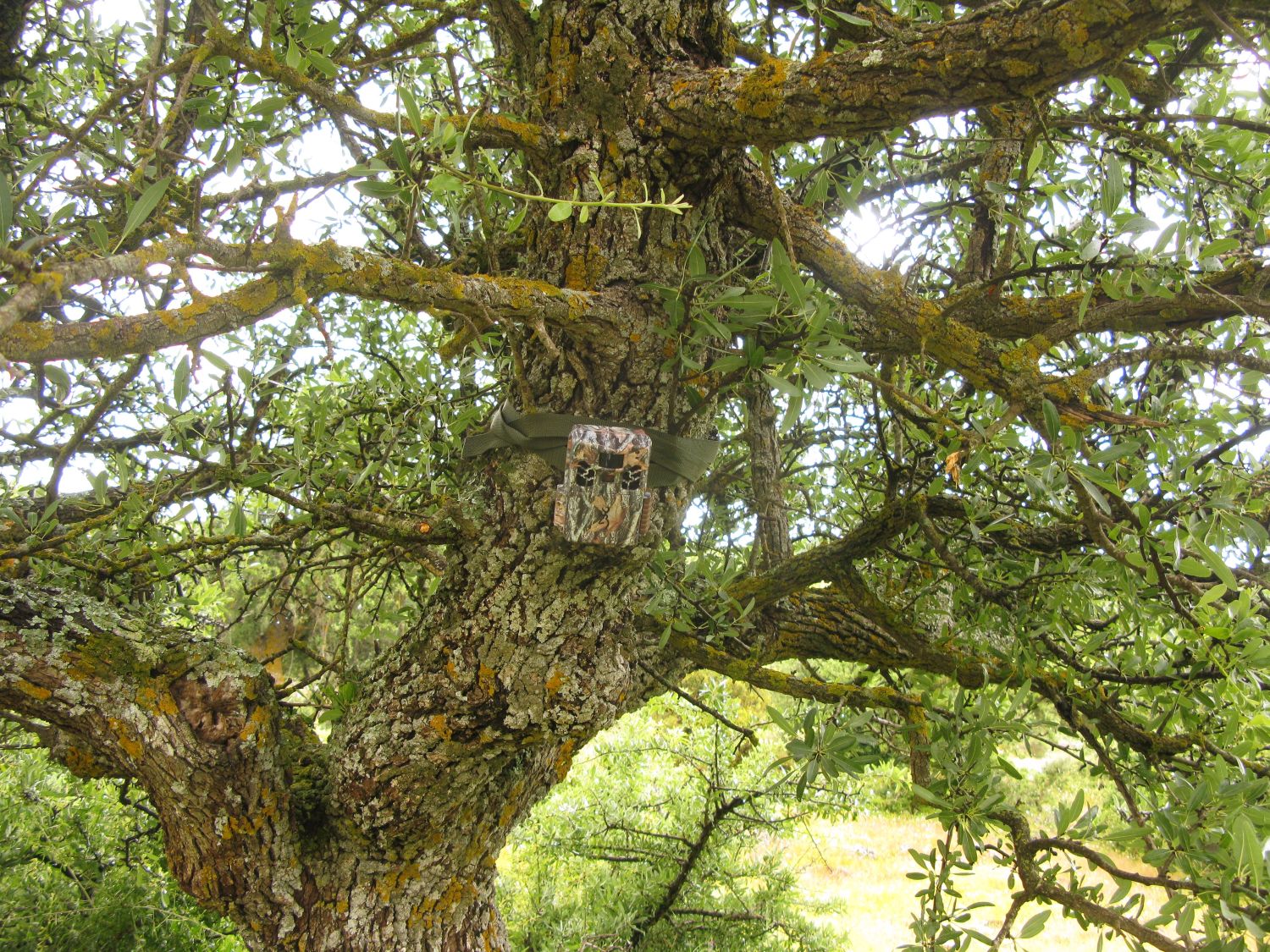
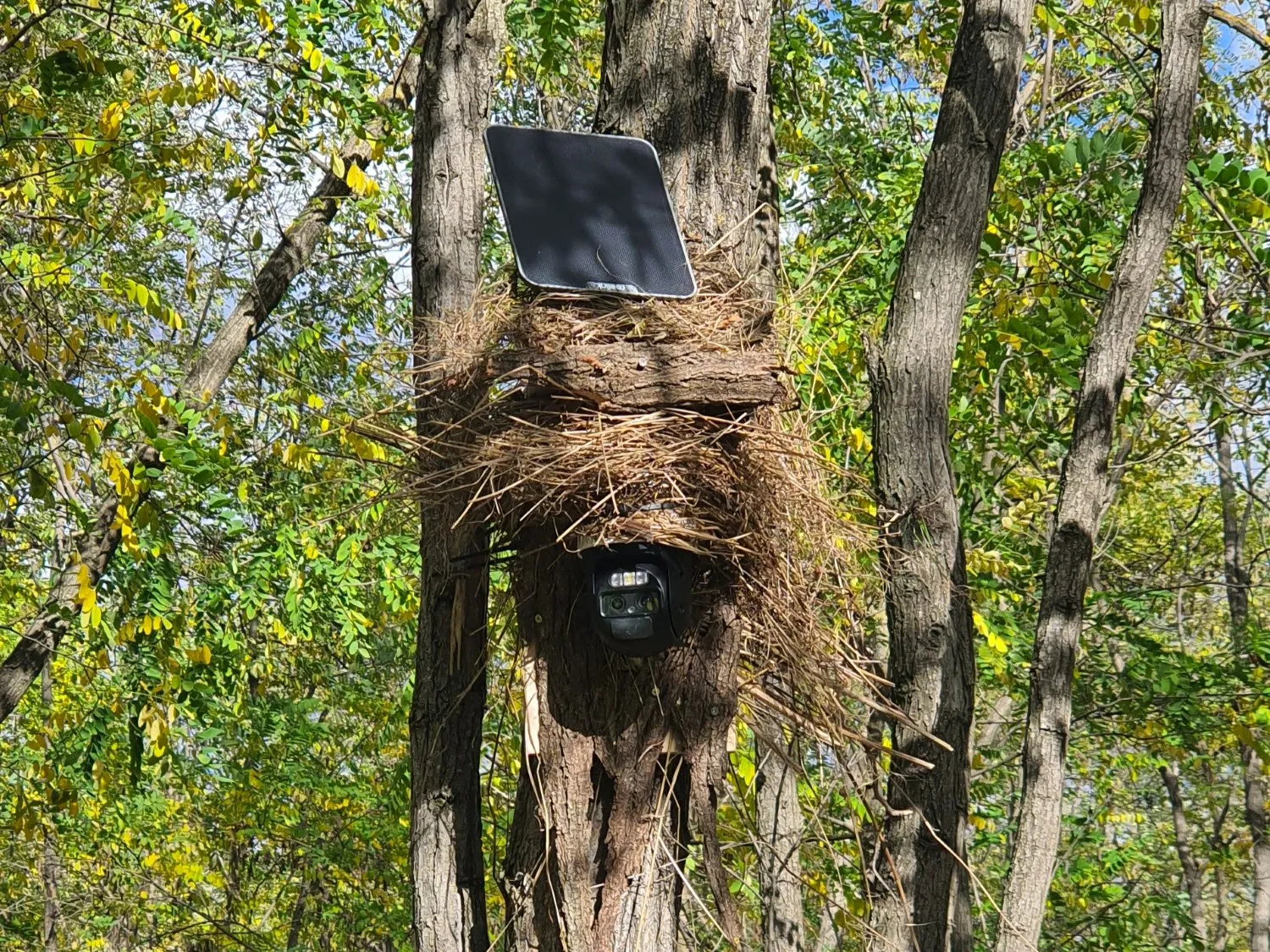
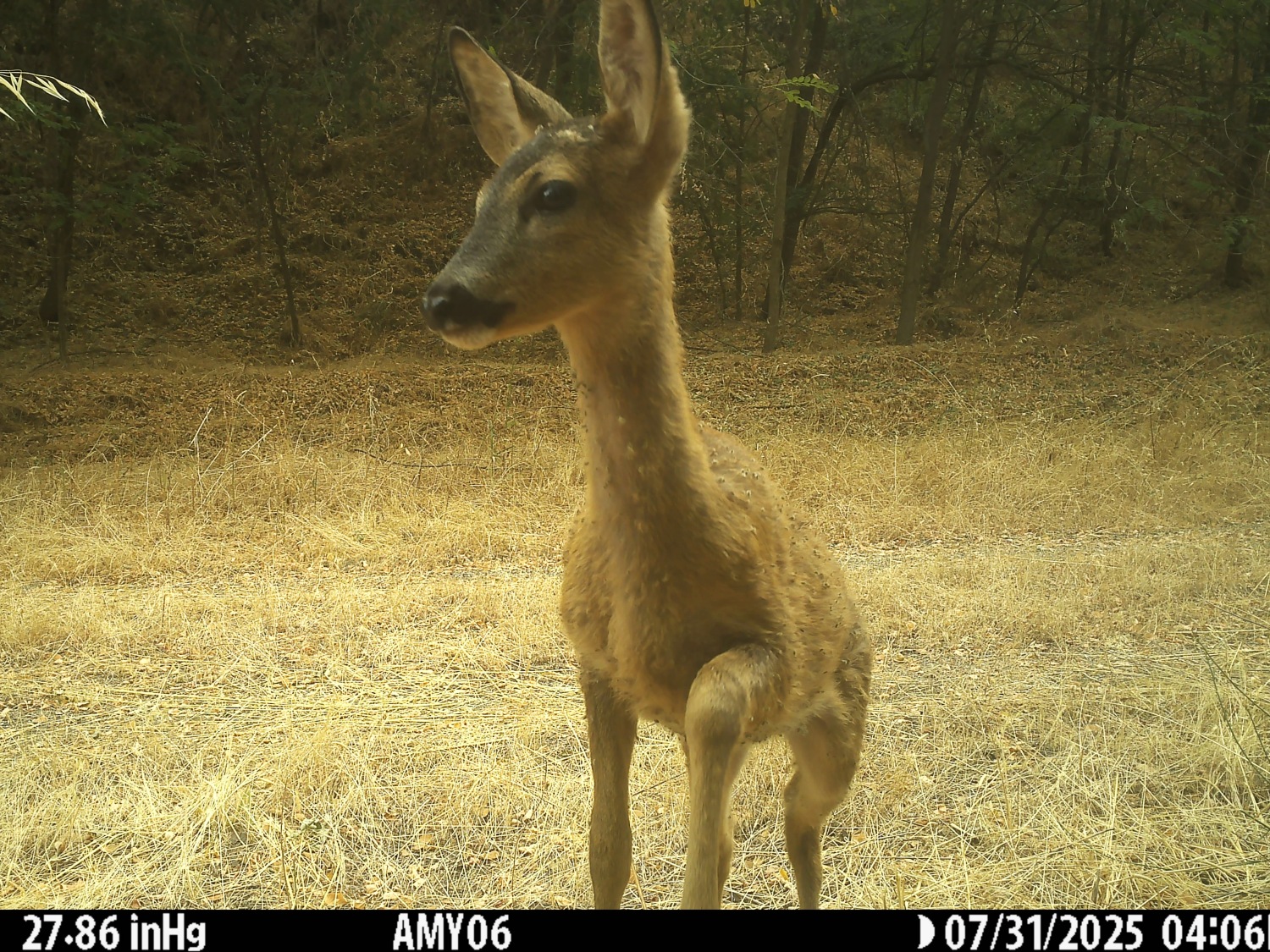
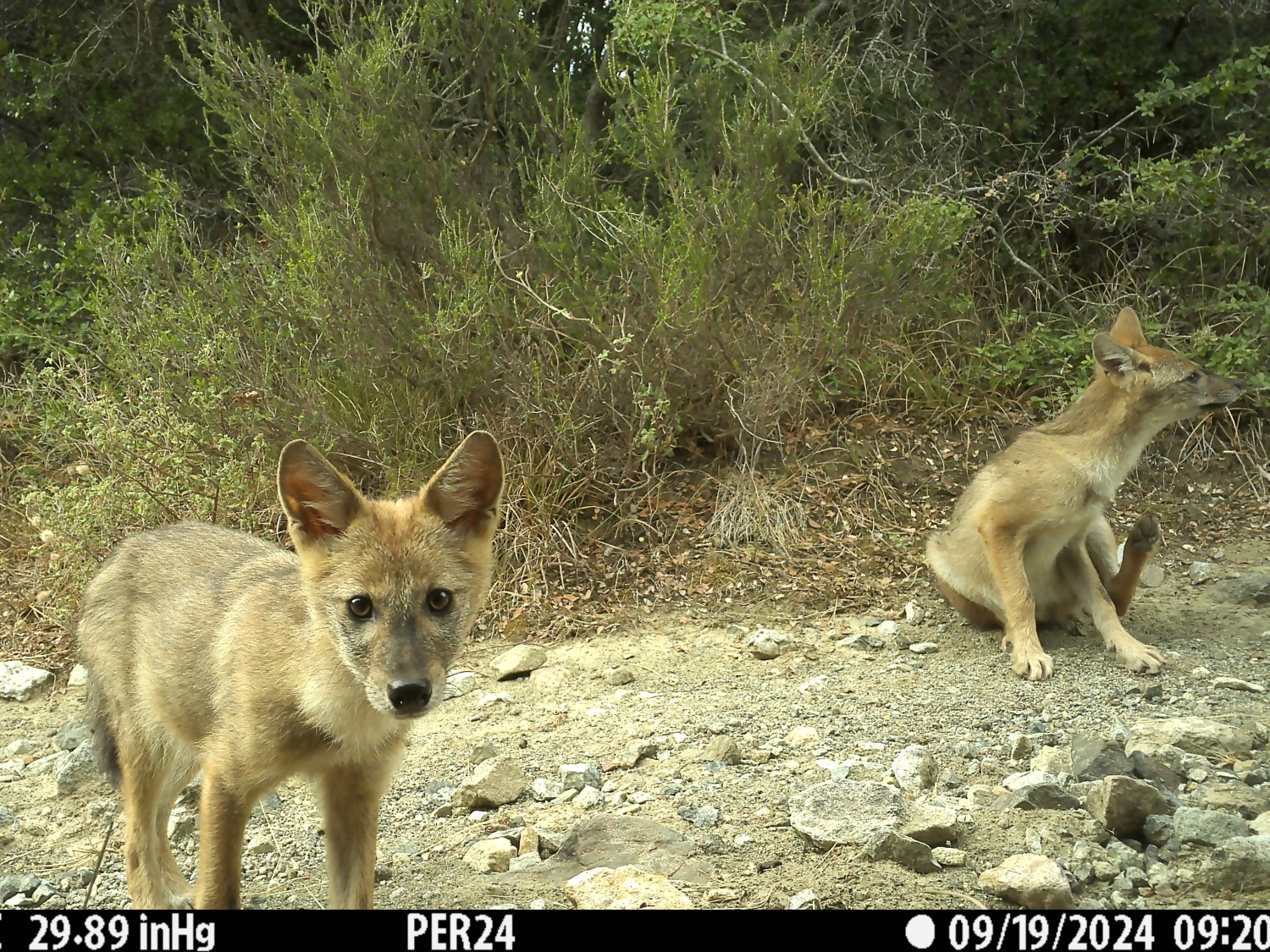
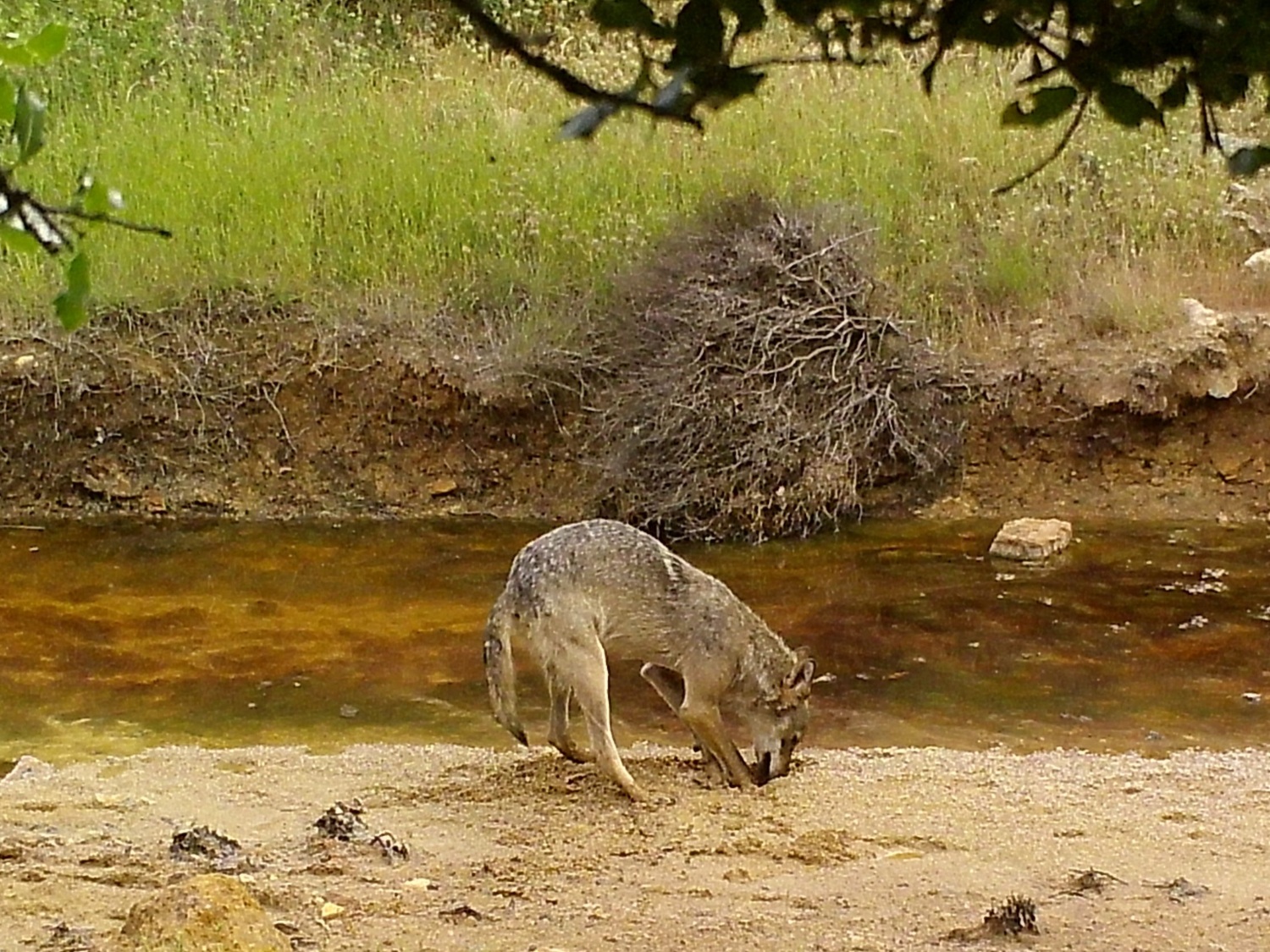
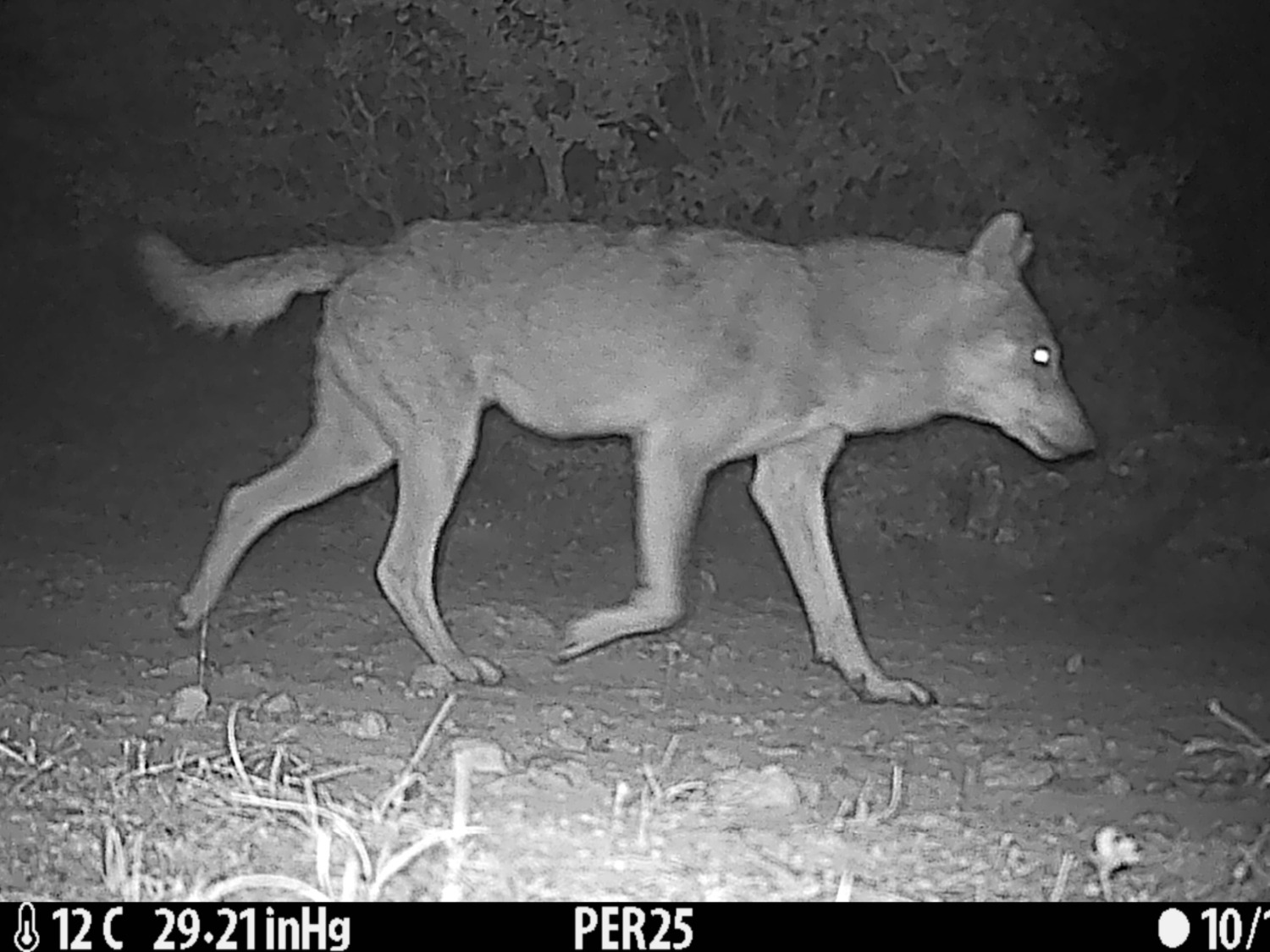
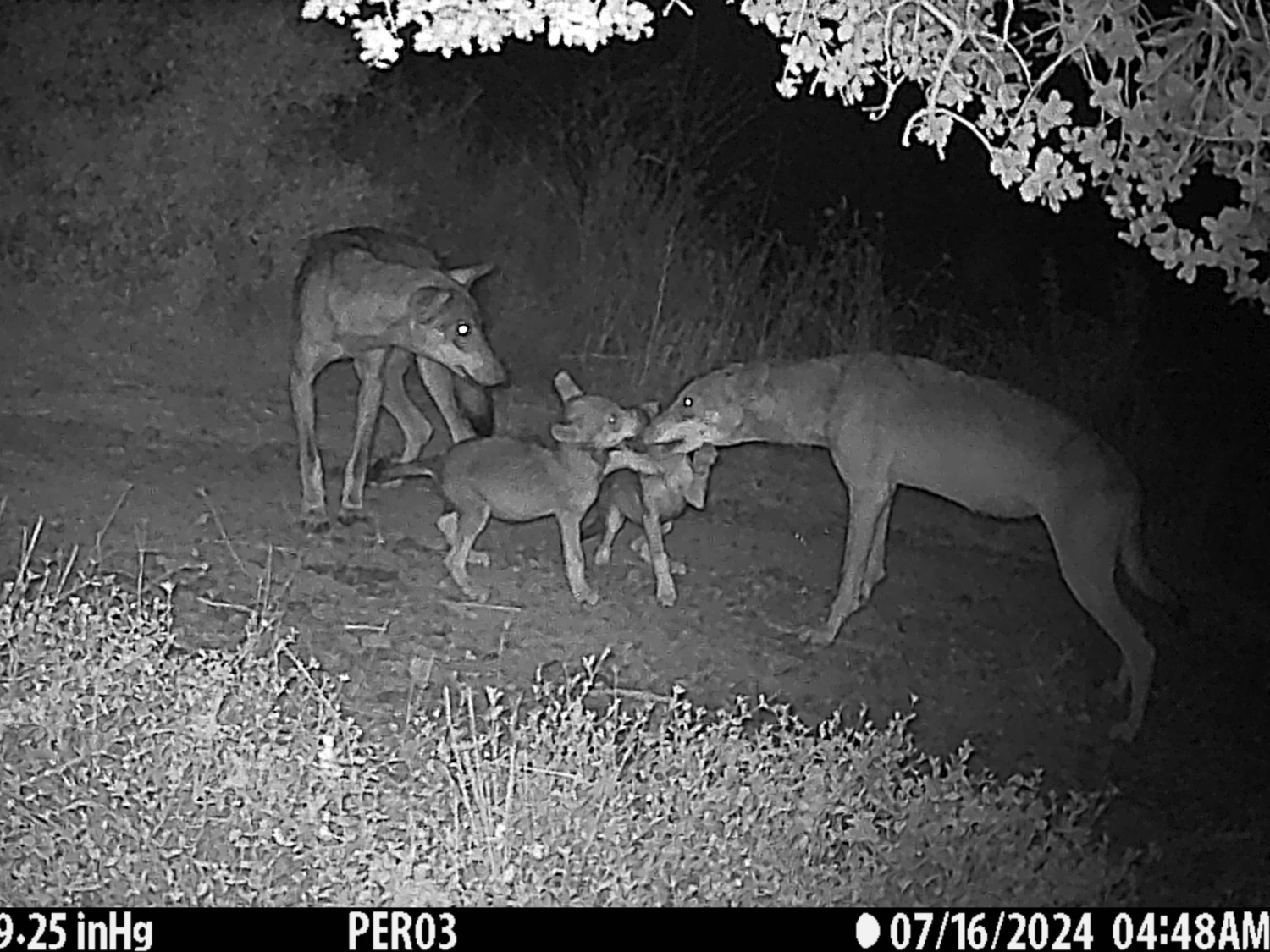
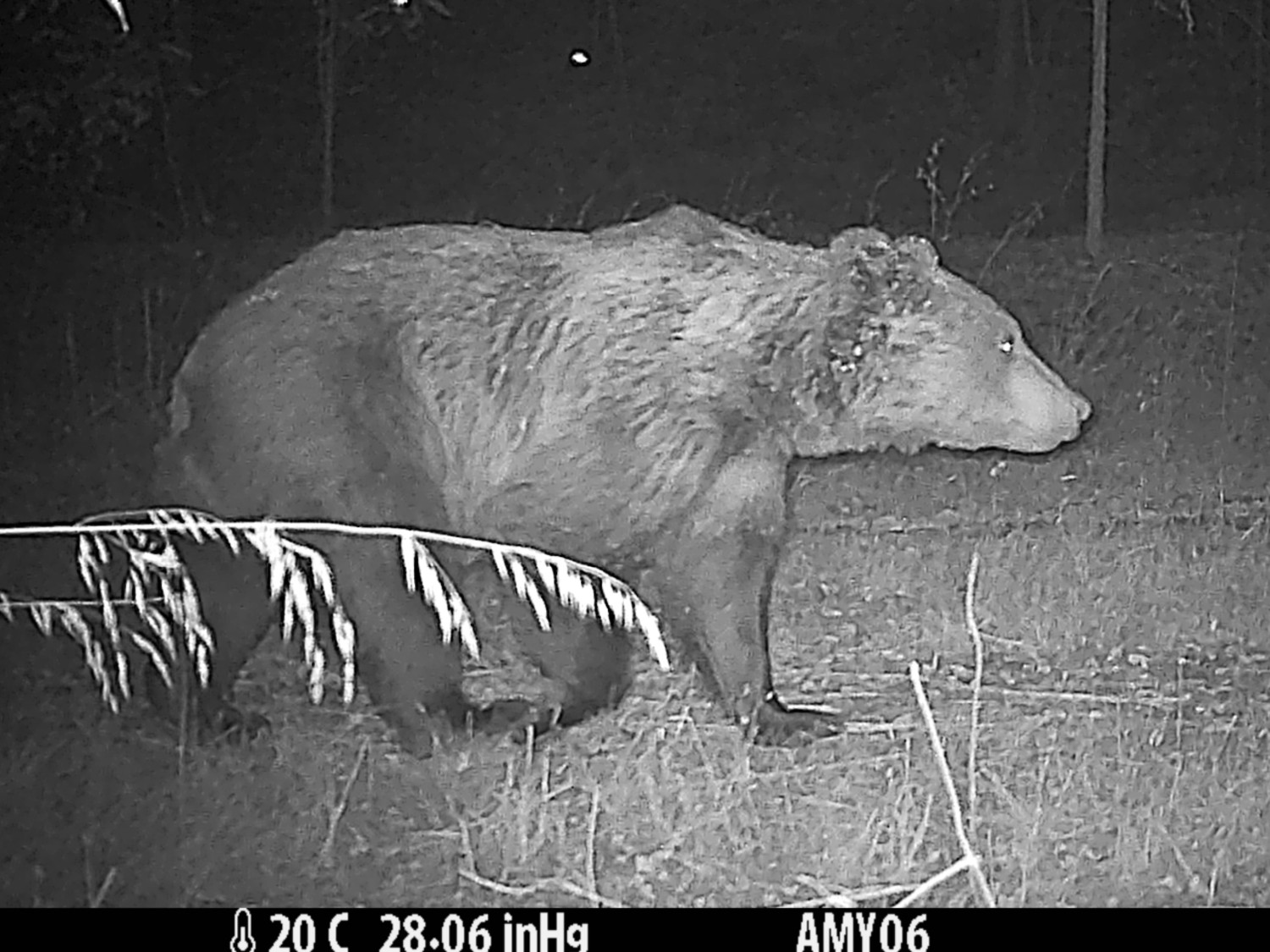
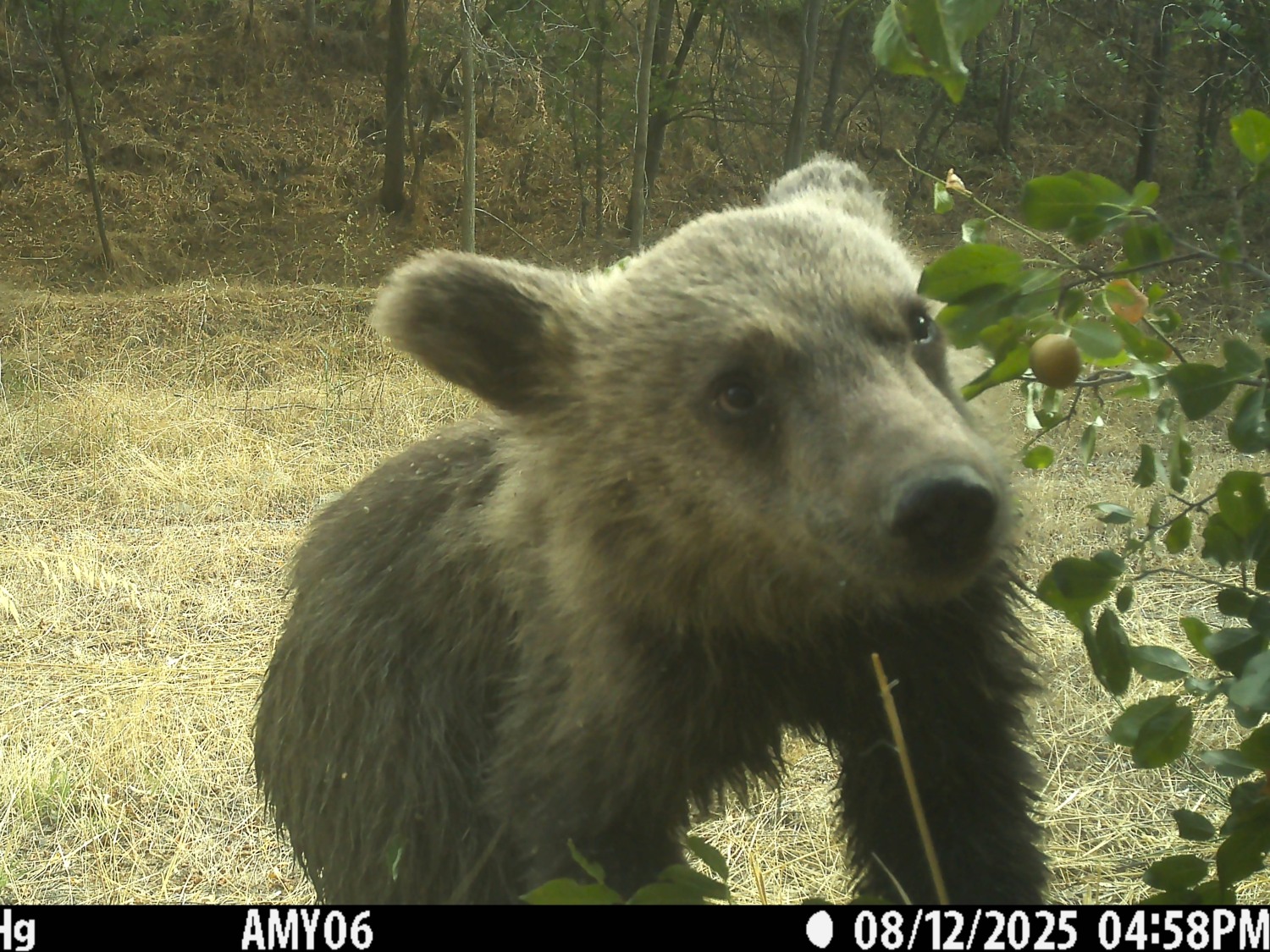
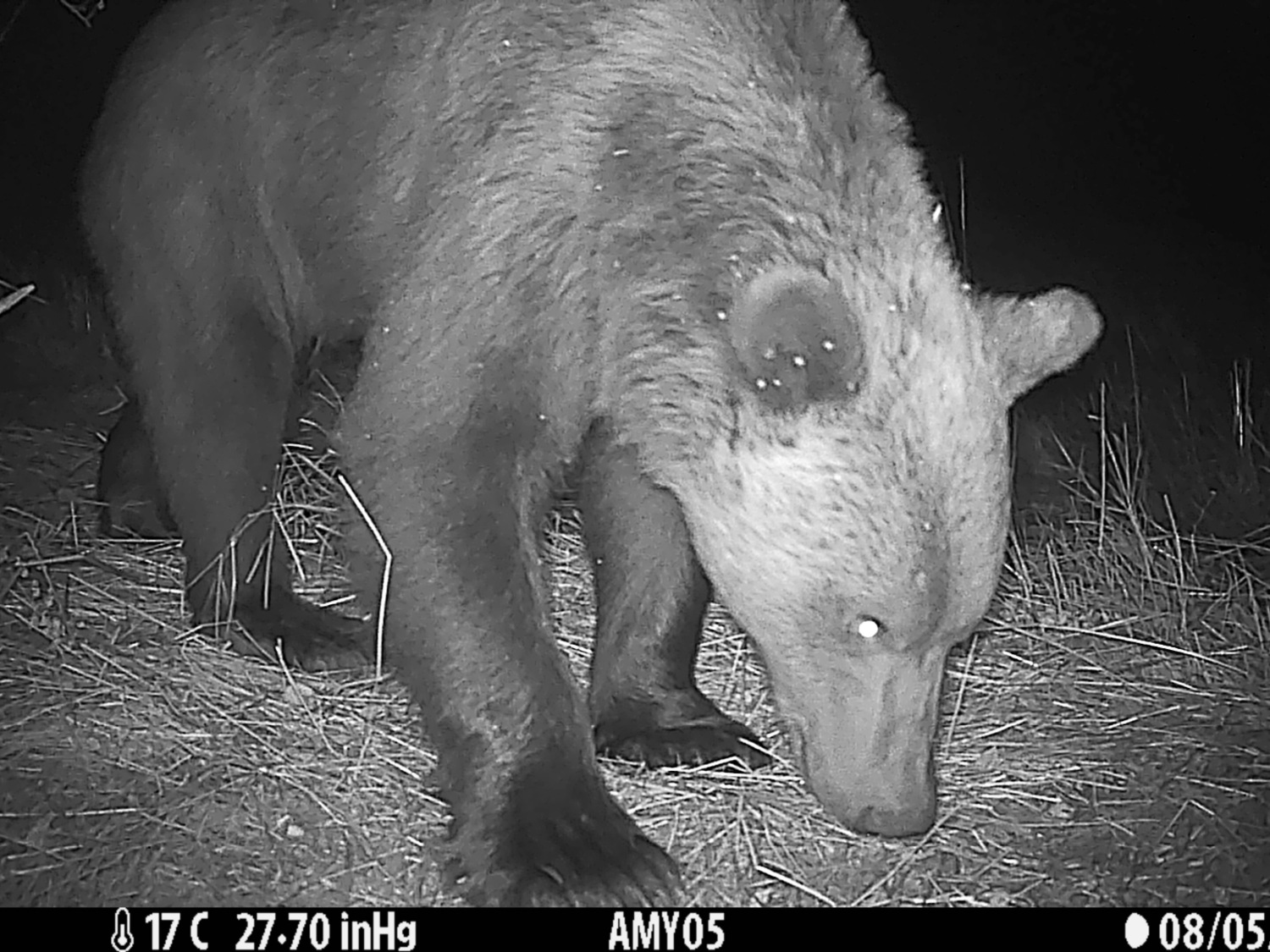
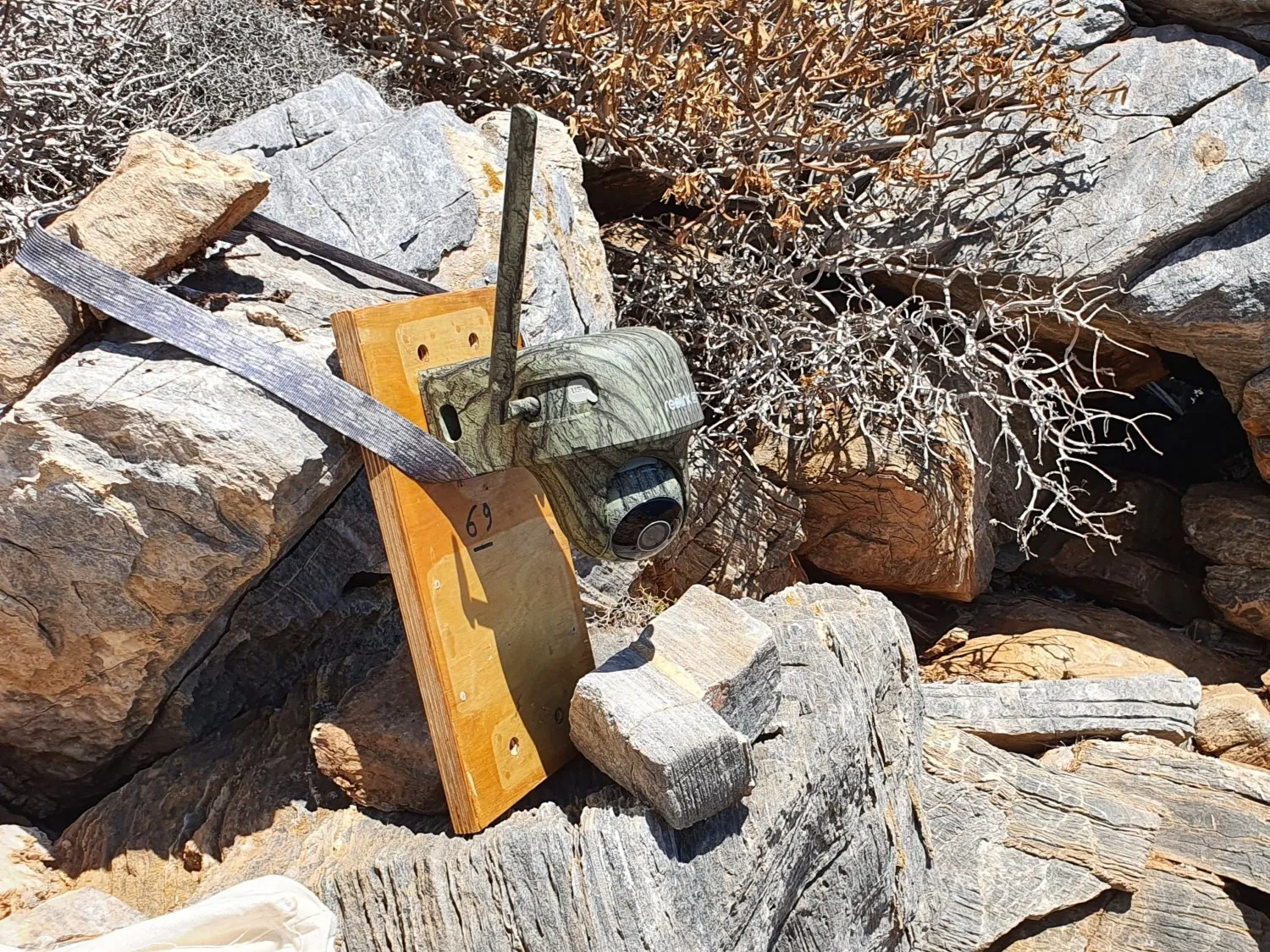
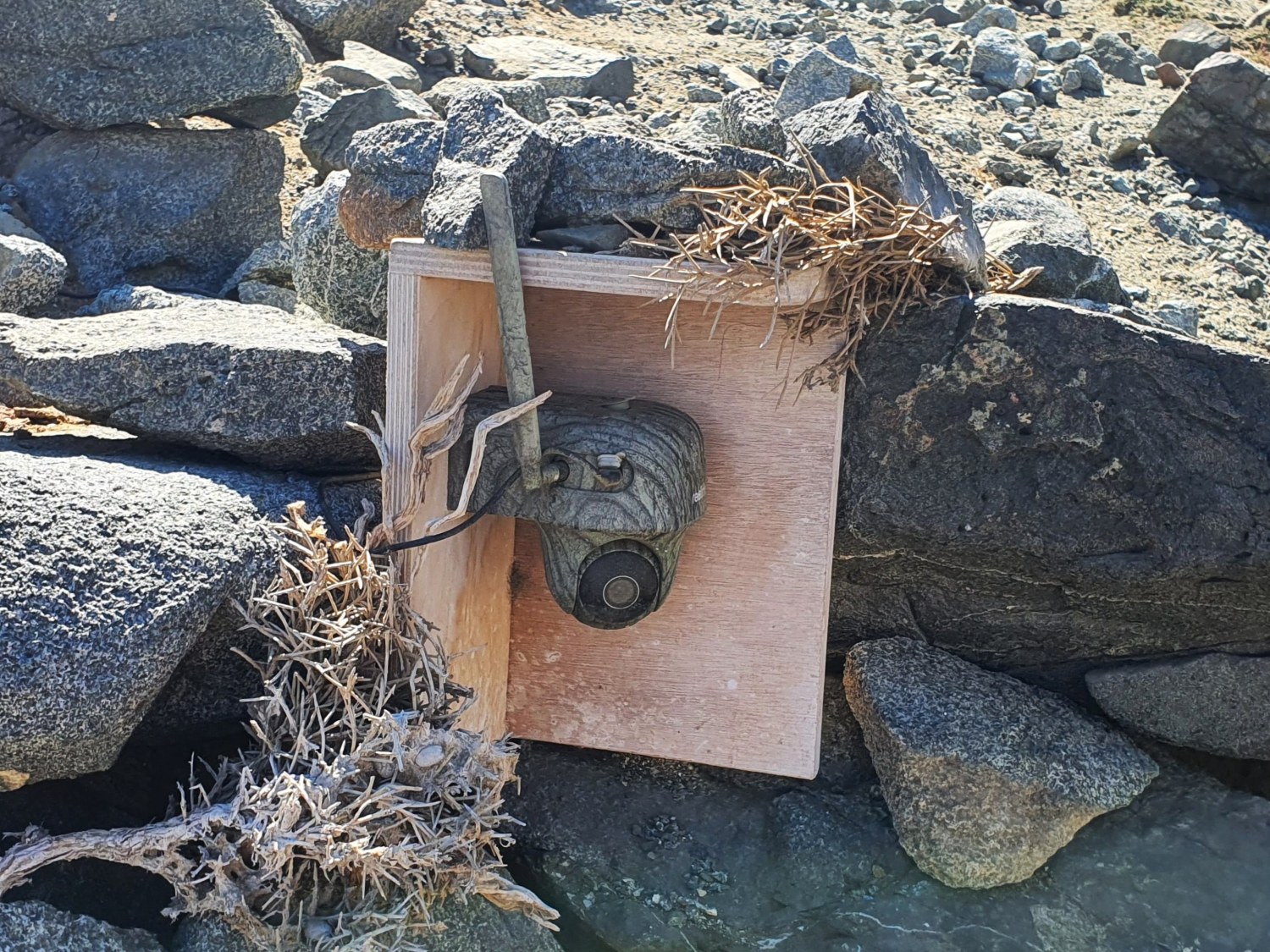
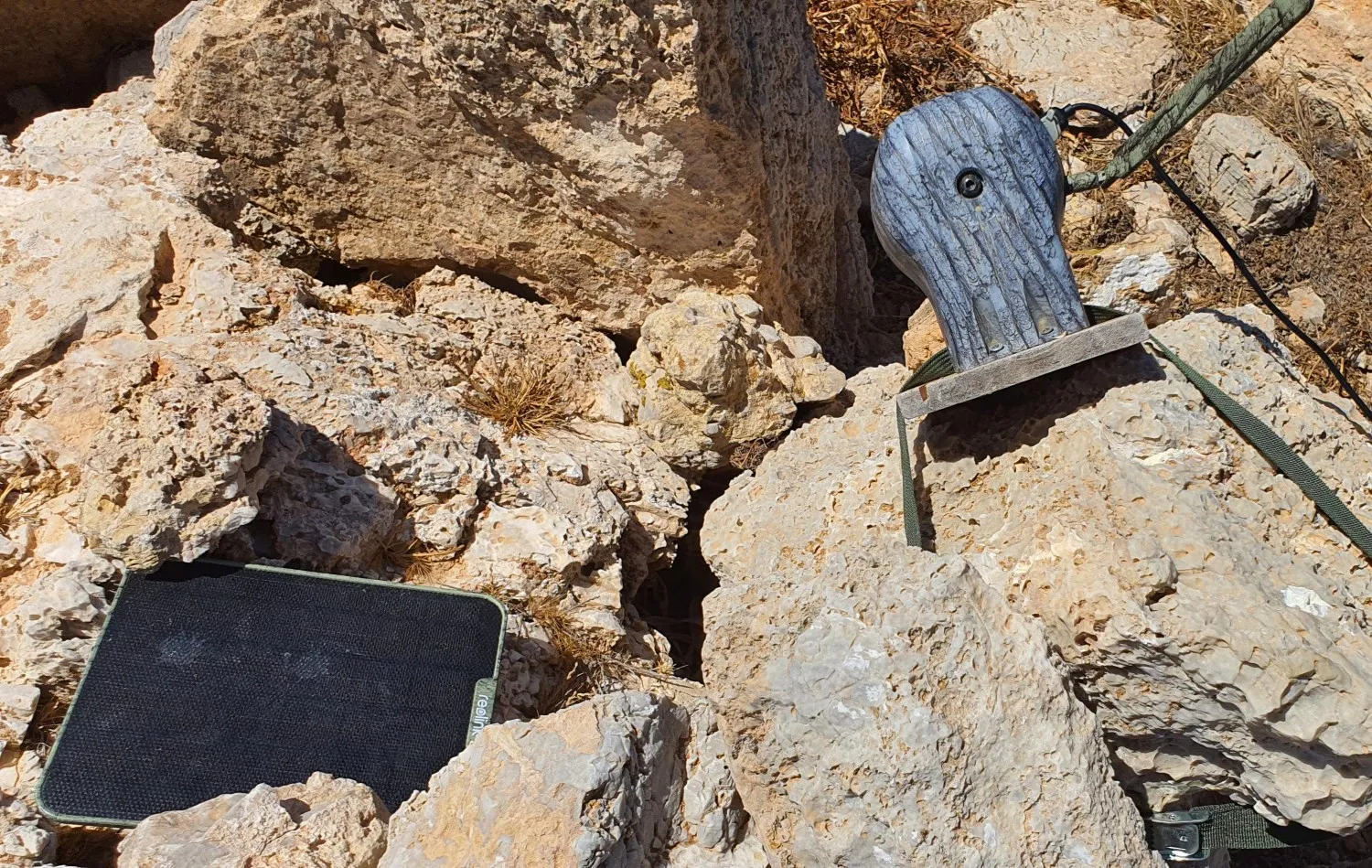
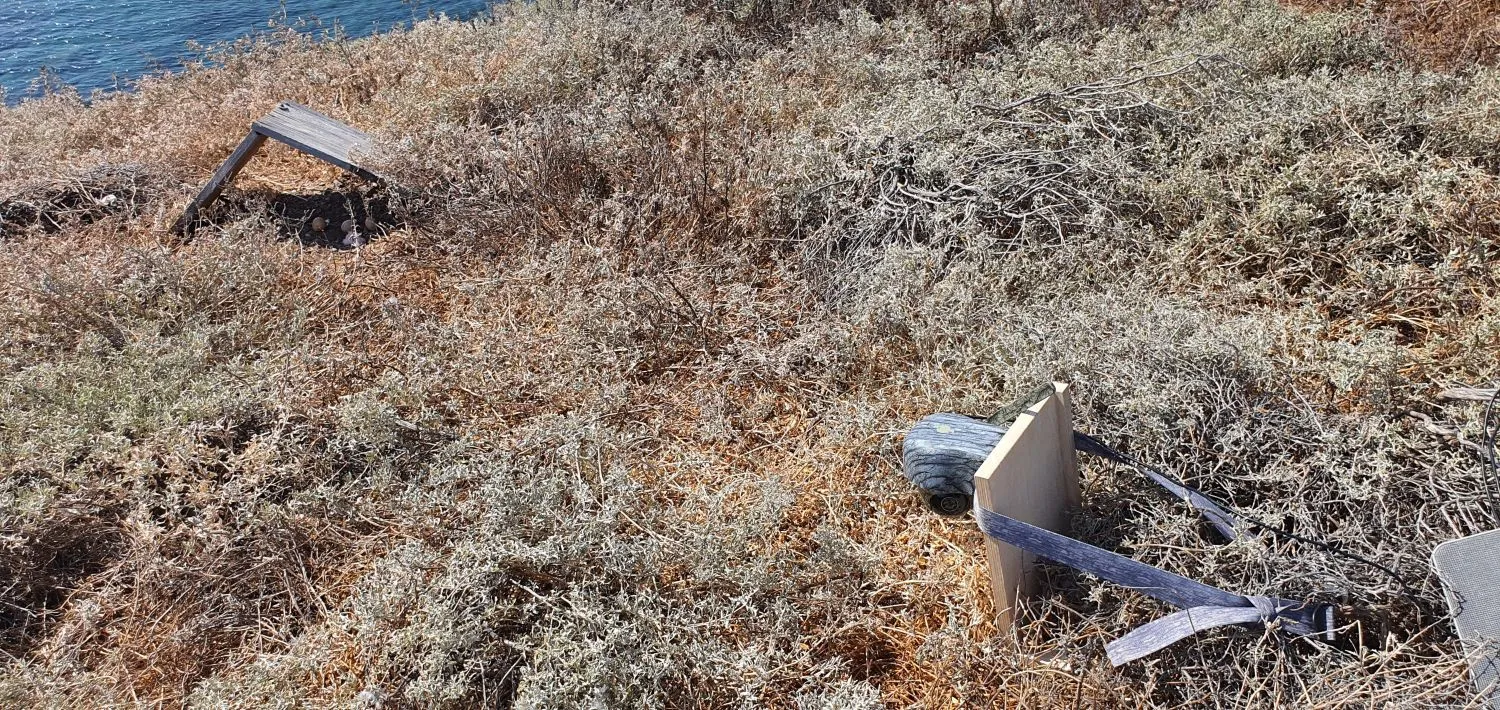
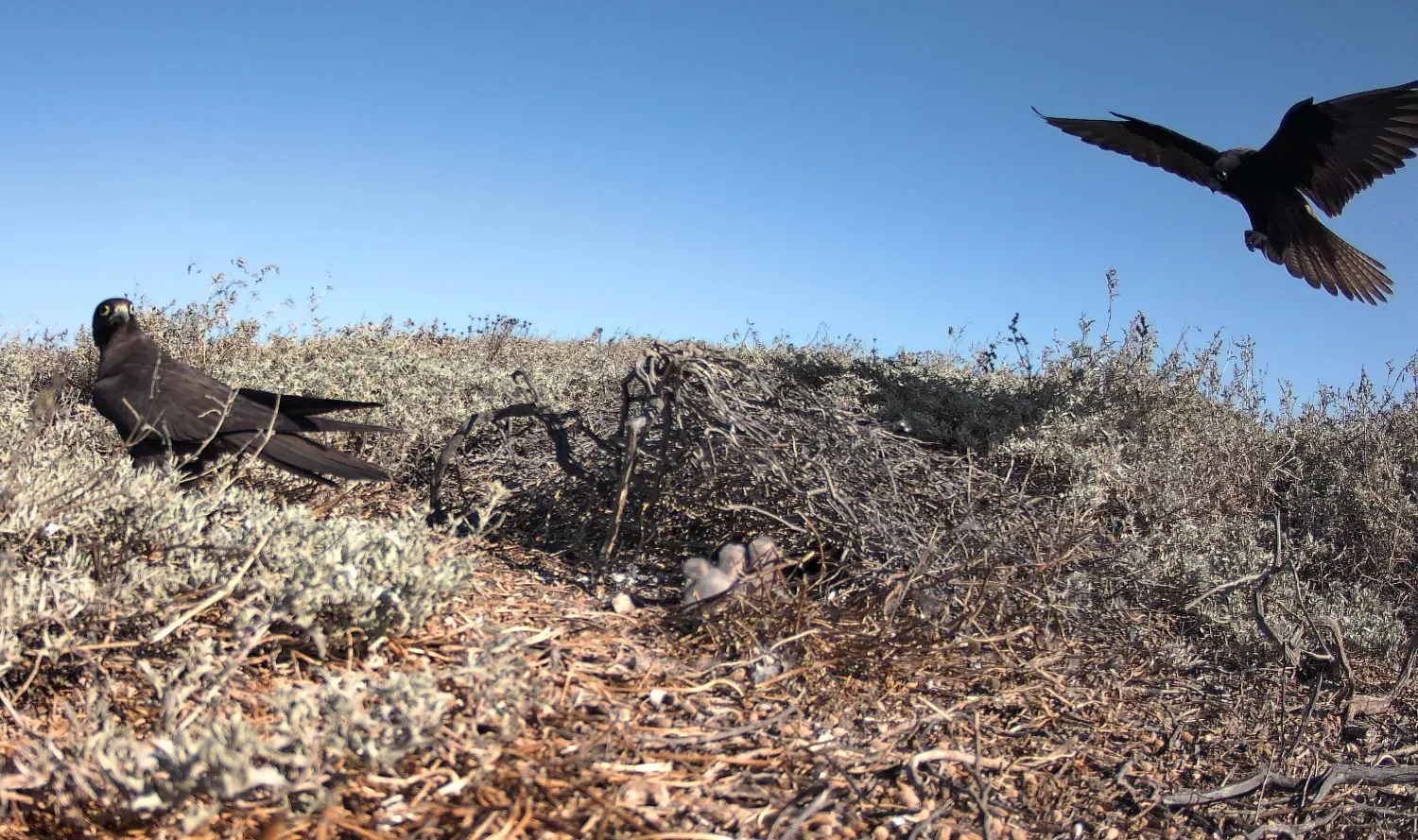
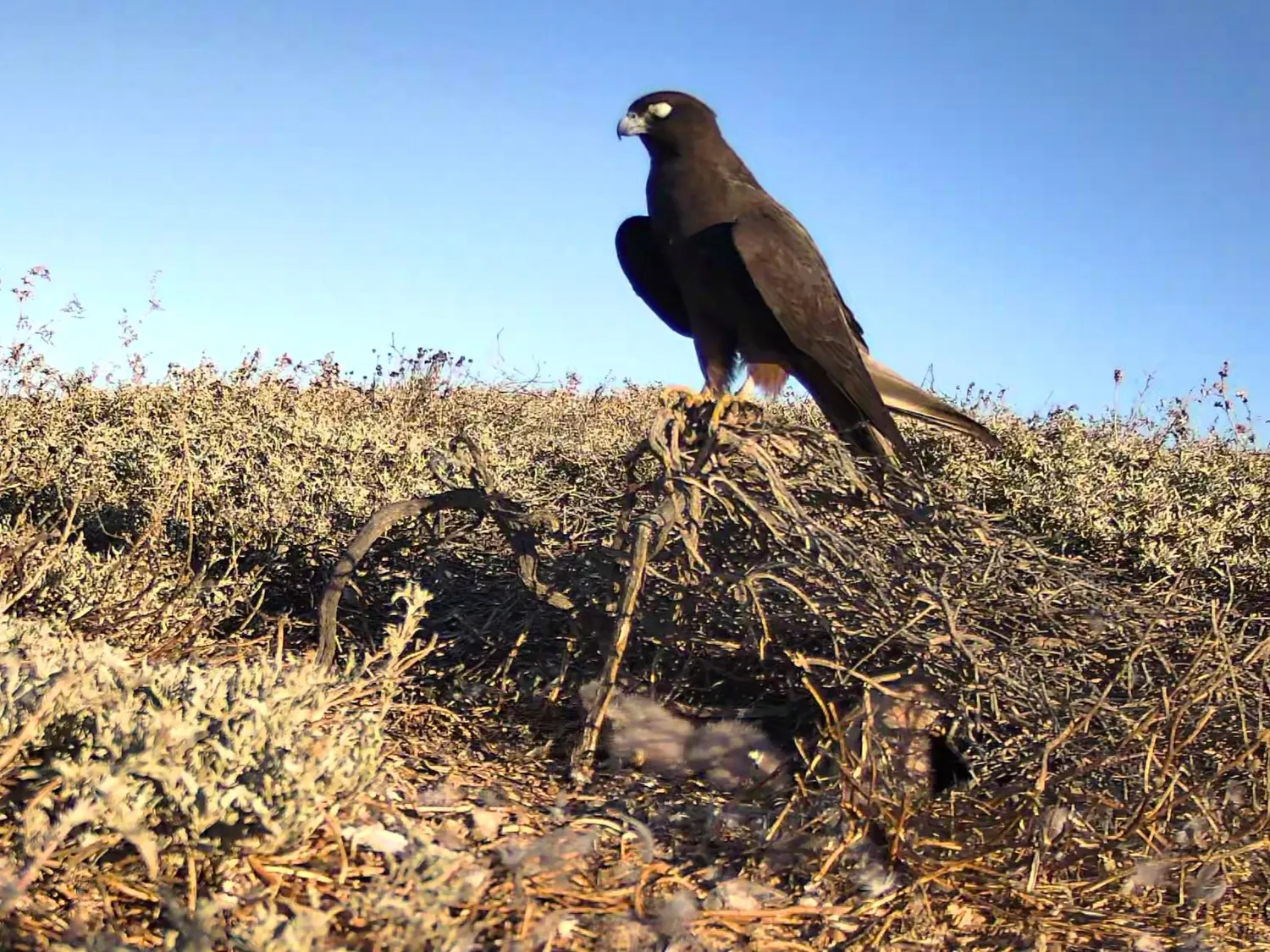
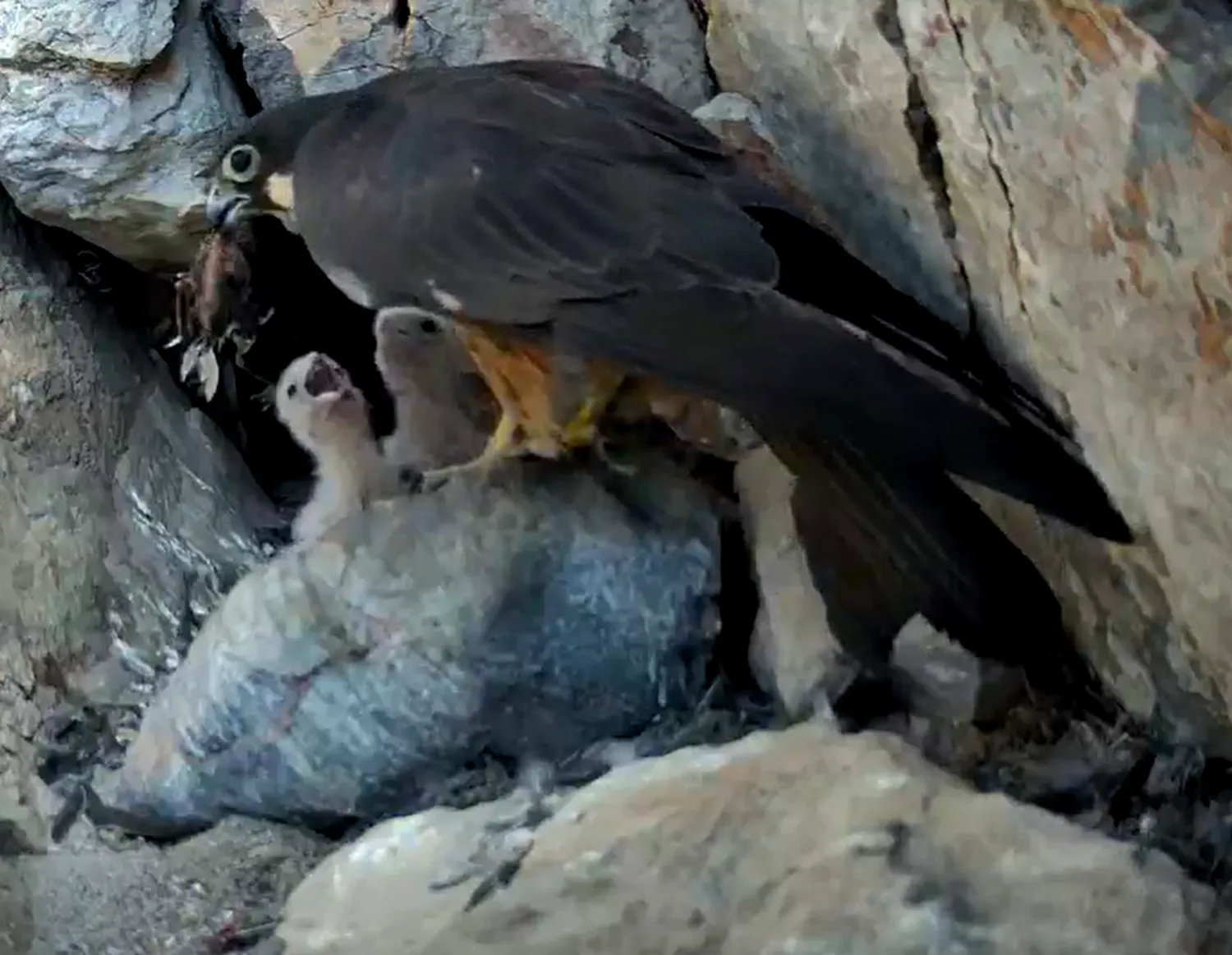
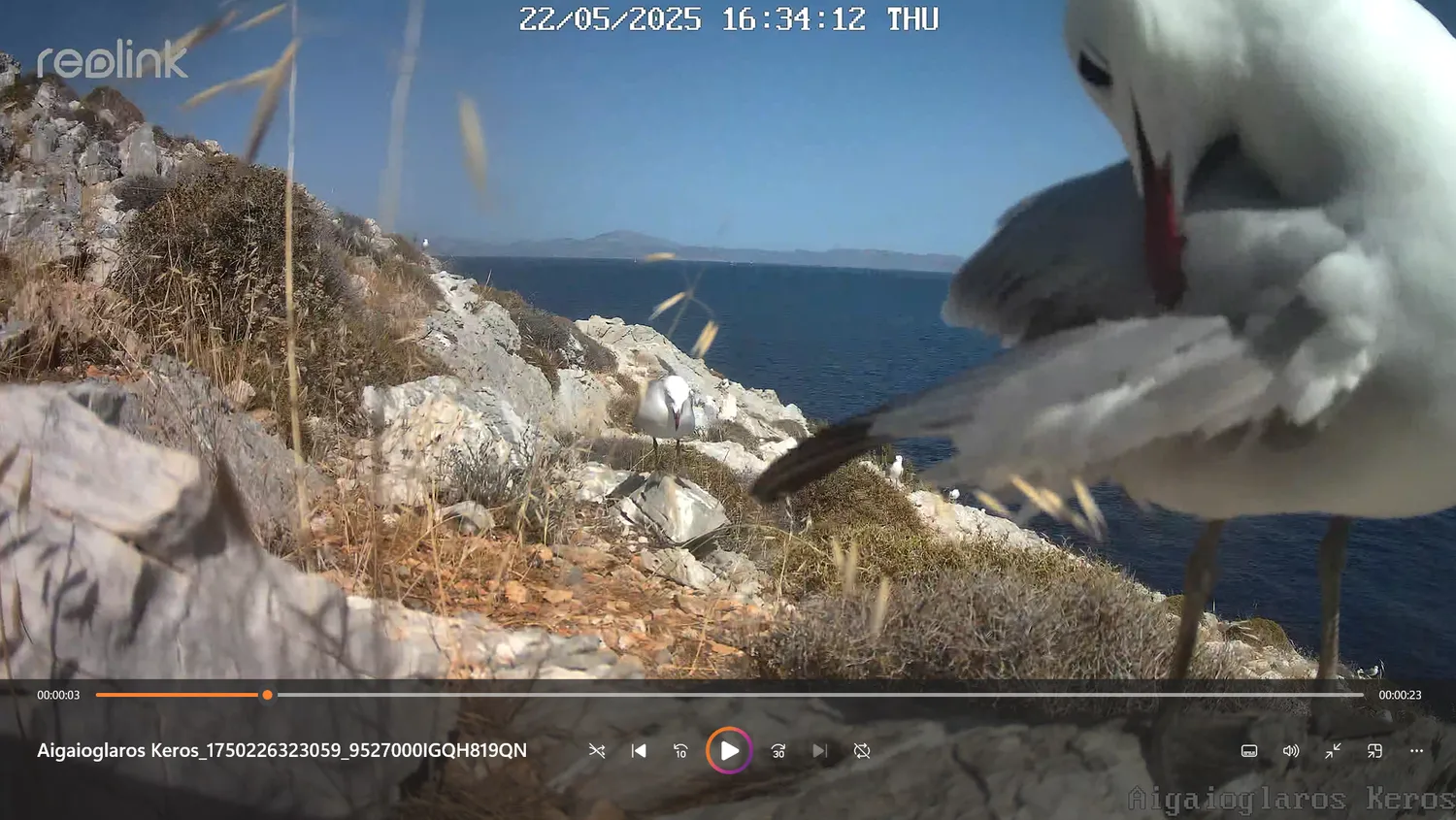
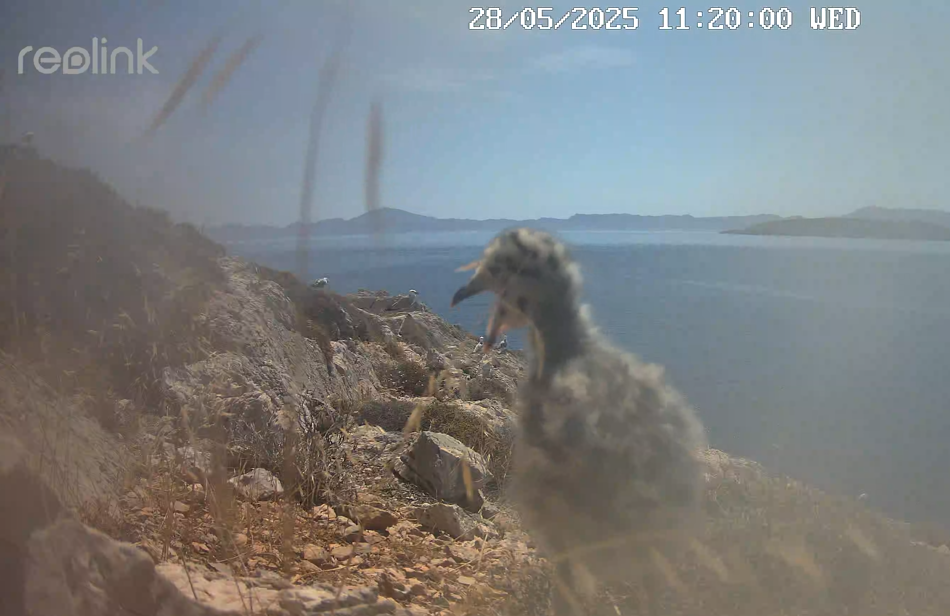
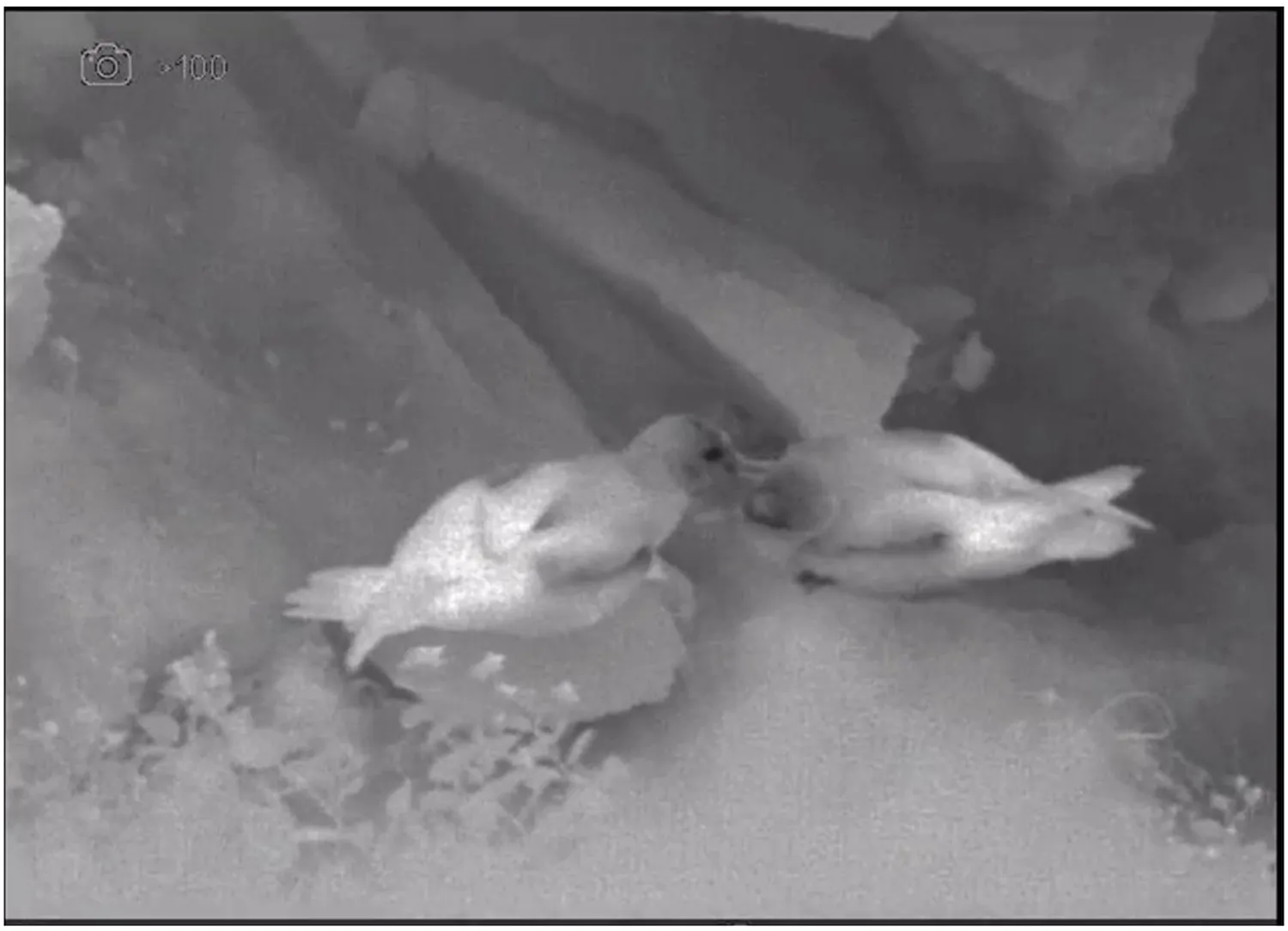
Click on the slider to open it as lightbox (clicking on ⓘ will also display the captions).
.
ORNITHOLOGICAL RADAR
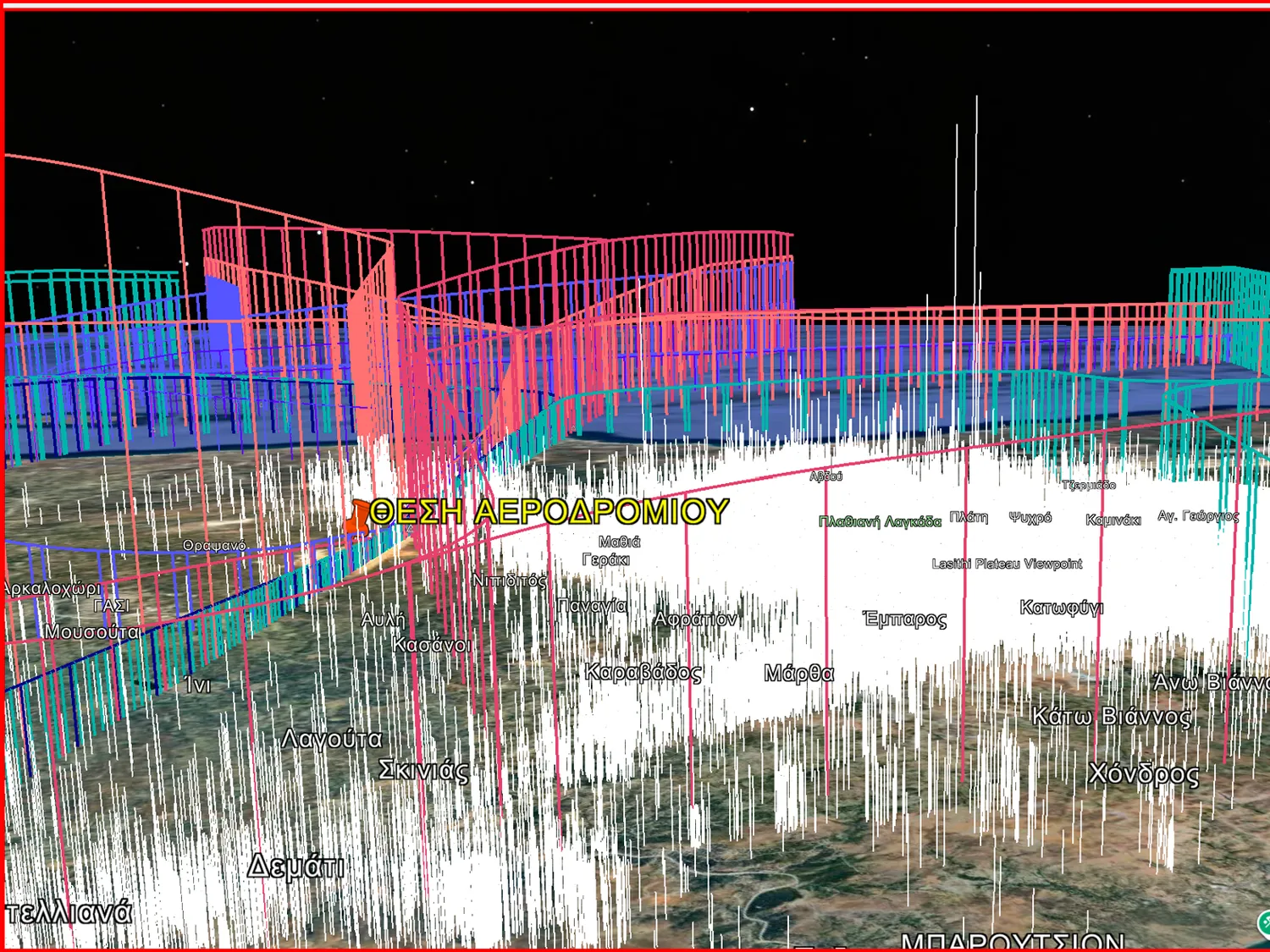
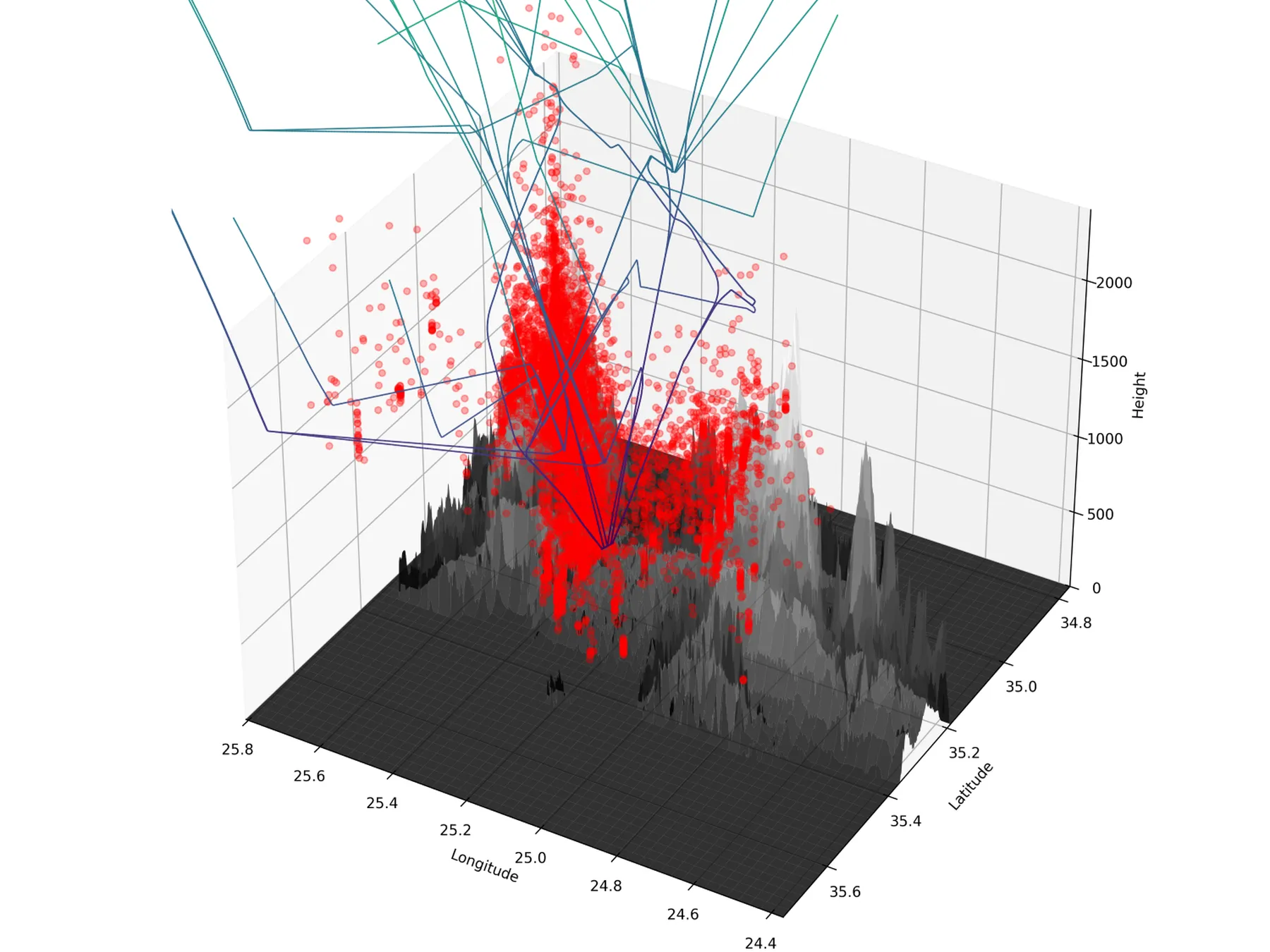
Under the guidance of its Dutch partner Waardenburg Ecology, NCC has acquired and is using a mobile research station with ornithological radar since 2011 to record bird flights from a long distance and at high altitude. This system makes it possible to study nocturnal bird migration, record their flight altitude, and determine migration flows by flight altitude category and sampling zone kilometer.
Ornithological radar is used in a variety of applications, and there have been some very interesting collaborations in the past with the corresponding units of the National Observatory (recording migratory birds and black kites in Antikythira) and with the MFIC (bird records in wind farms in Eastern Crete).
The NCC’s ornithological radar is combined with a four-wheel drive van equipped with photovoltaic panels and a generator so that it can operate autonomously in isolated locations.
.
Photos of the ornithological radar:
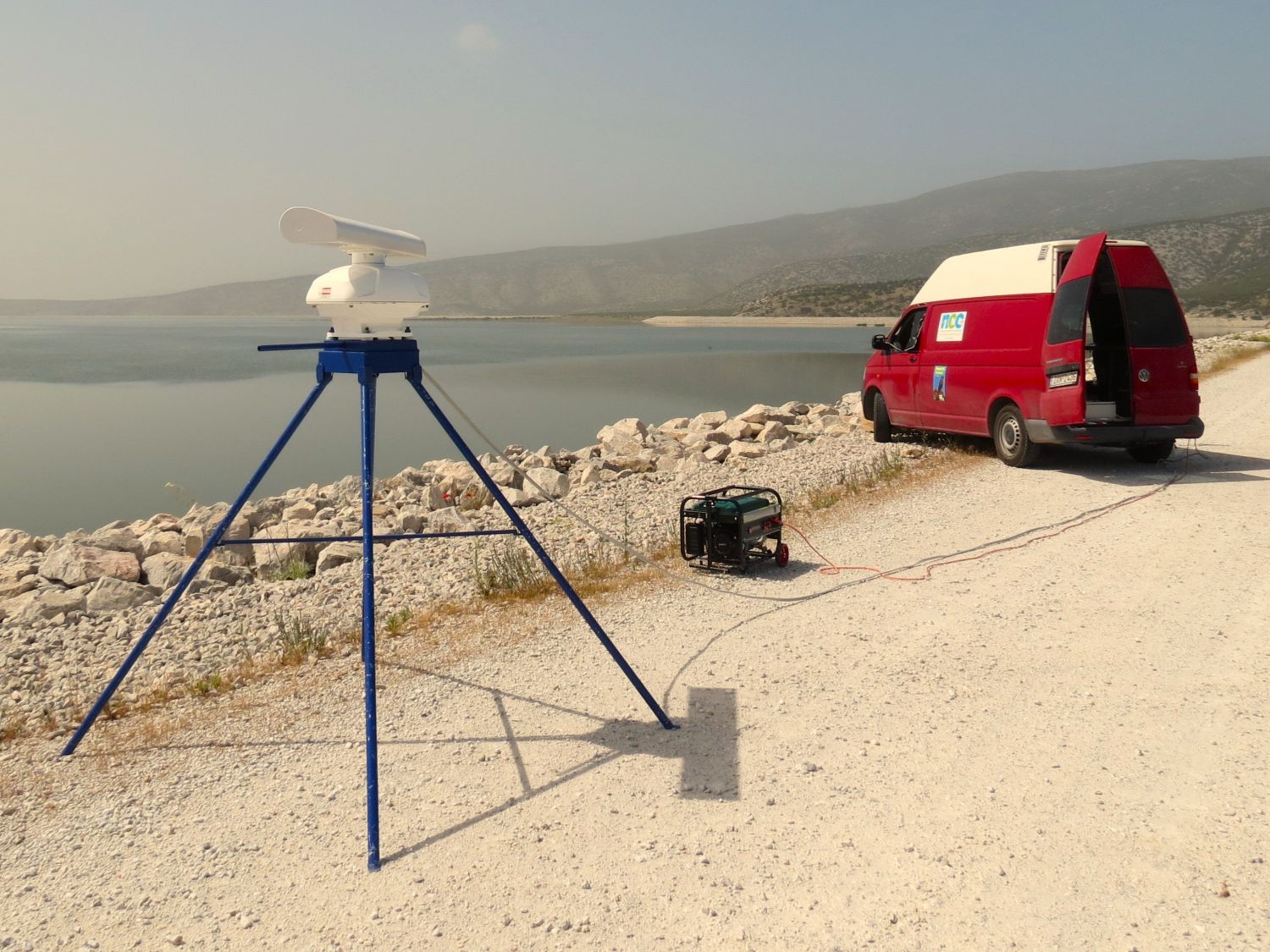
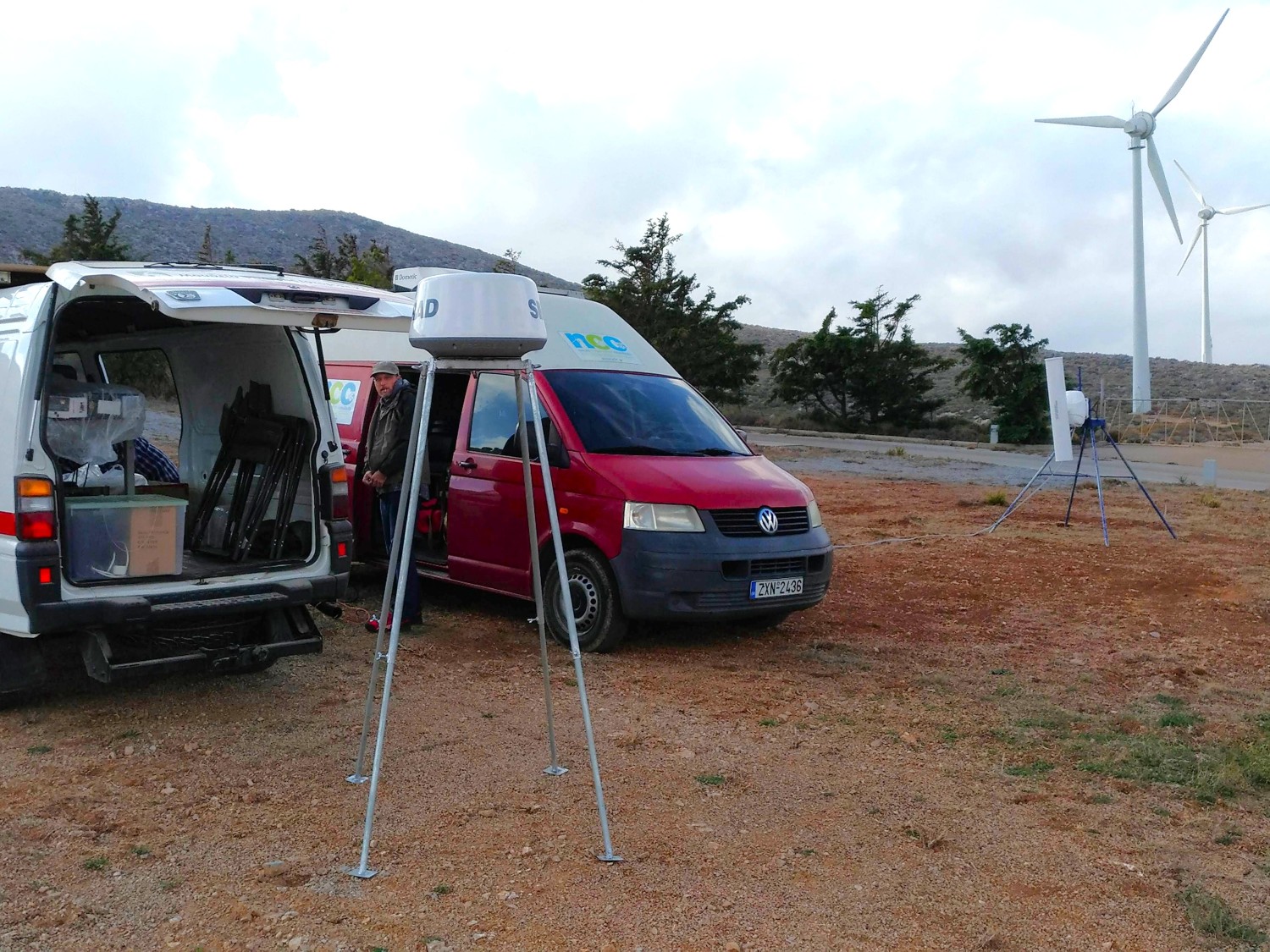
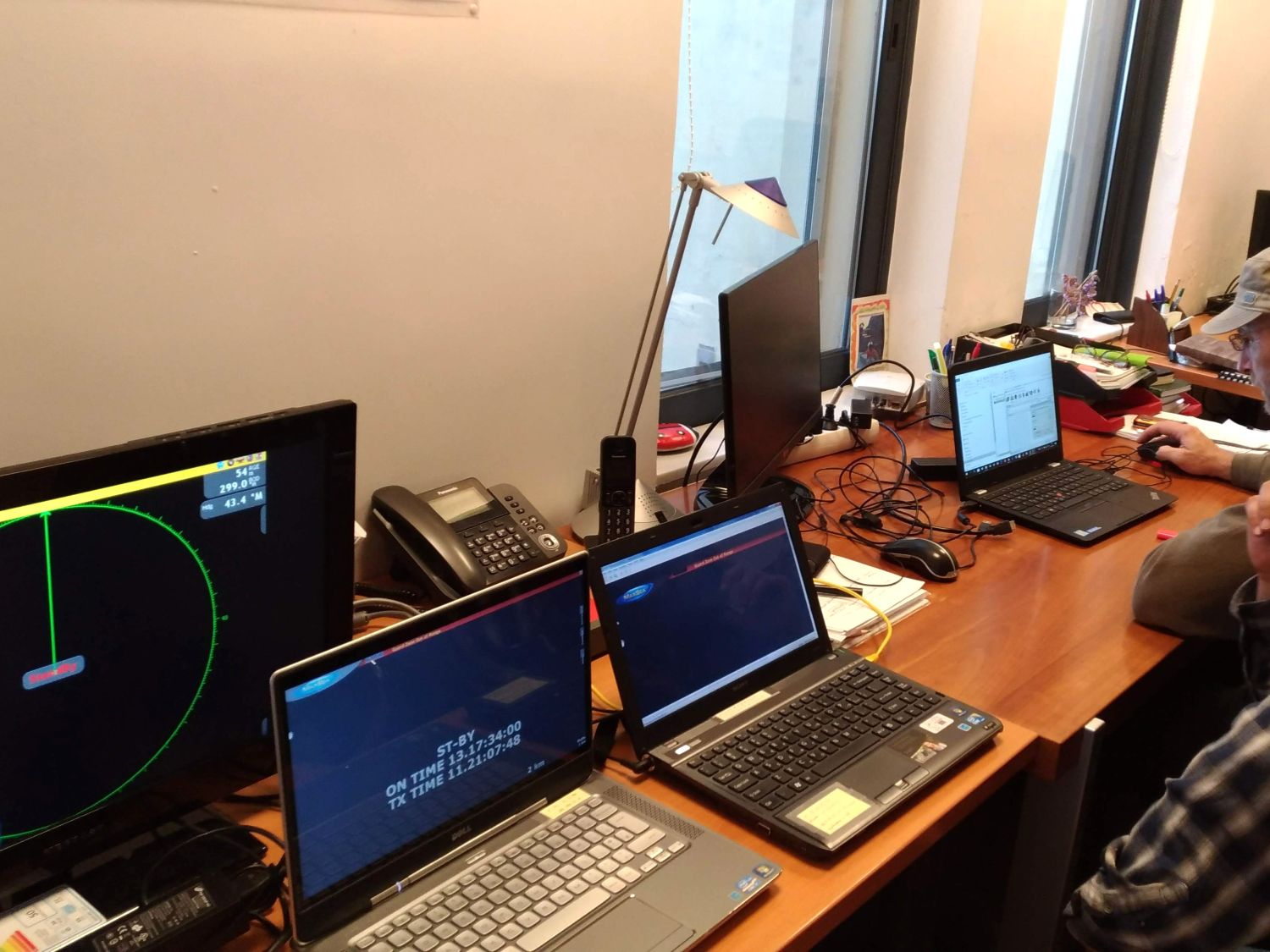
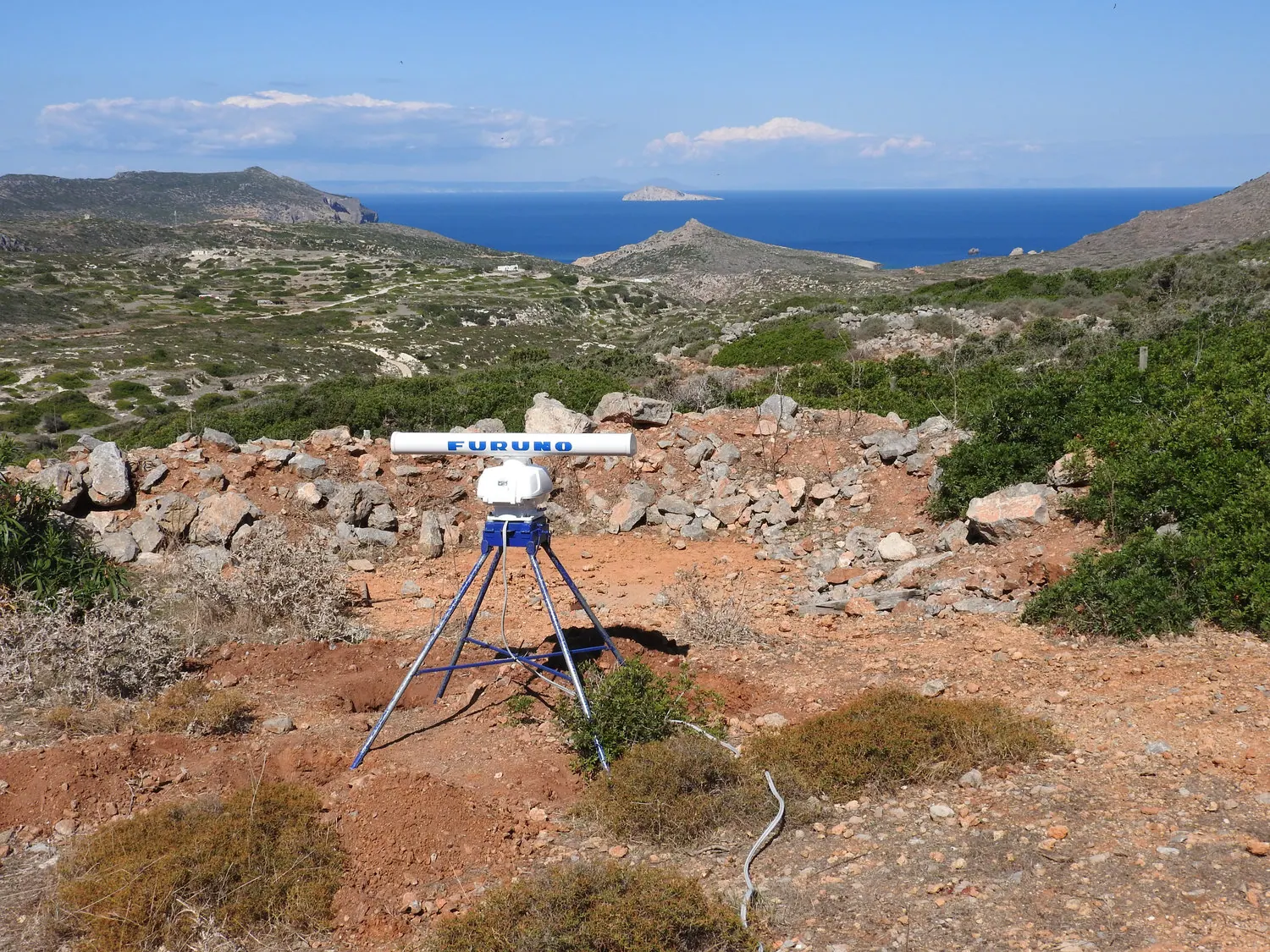
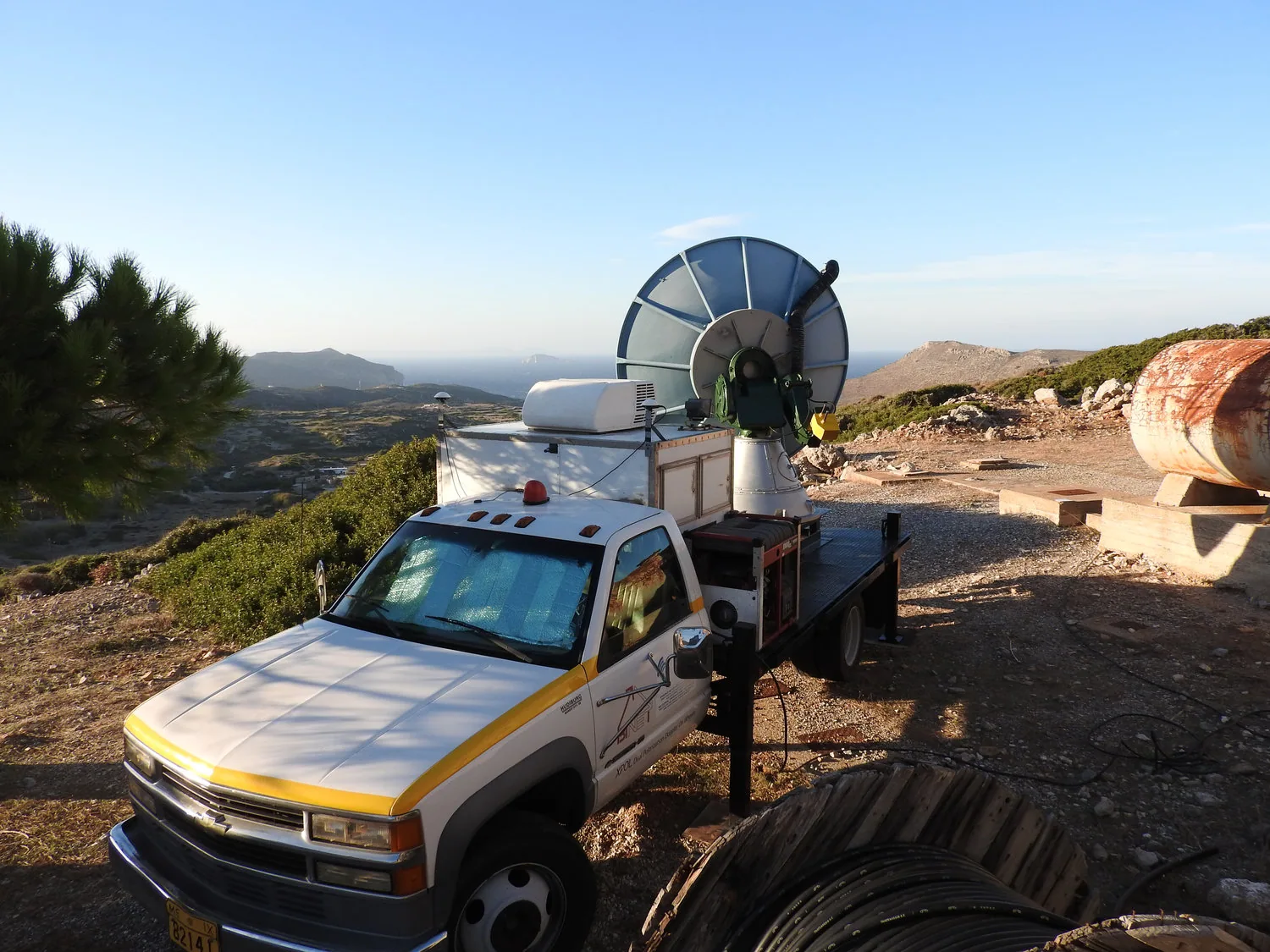
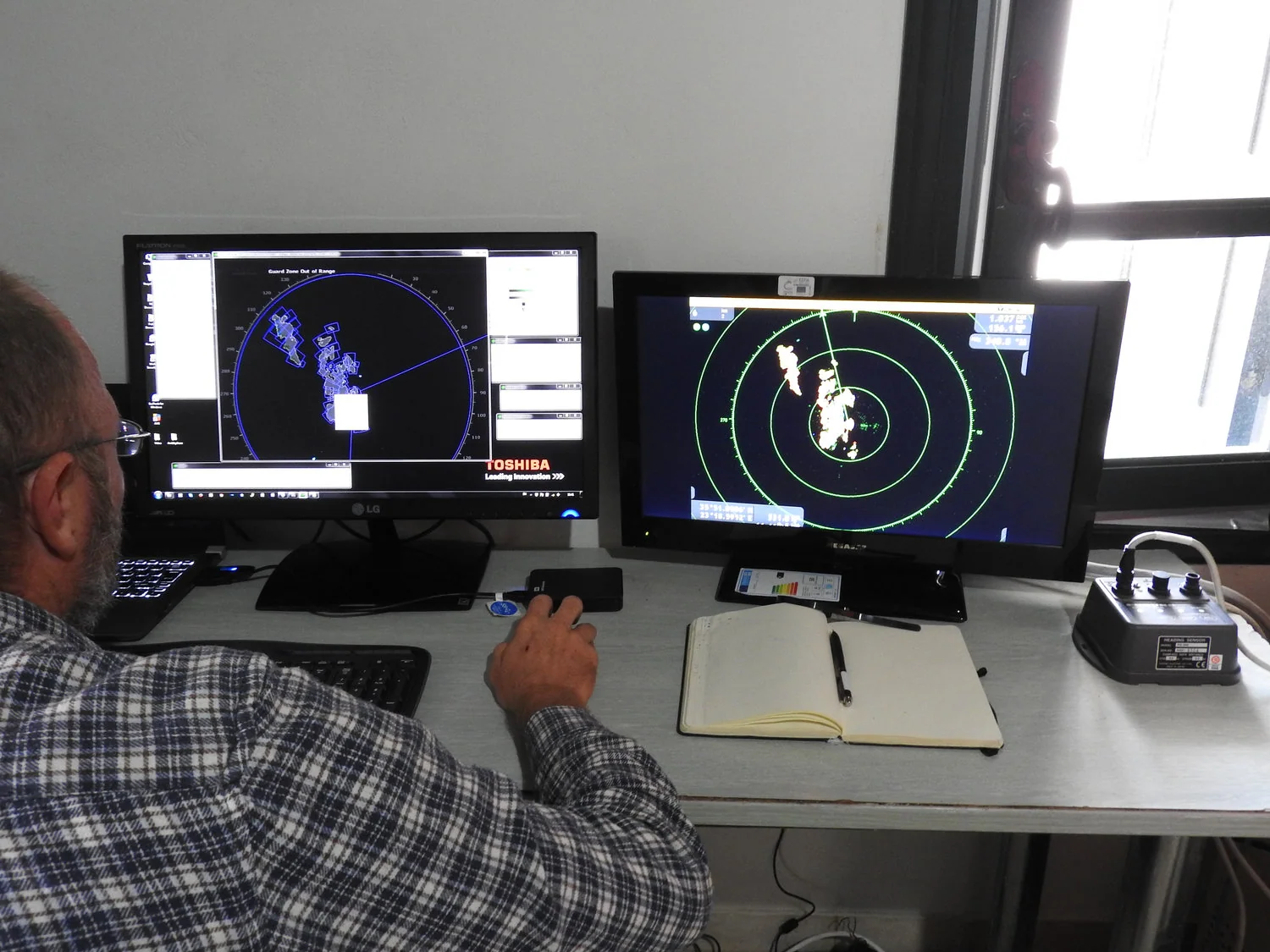
Click on the slider to open it as lightbox (clicking on ⓘ will also display the captions).
.
BIO-ACOUSTIC METHODS
Bioacoustic methods contribute significantly to the remote recording of fauna species. They are based on the installation of special sensors with built-in microphones at selected points in the area of interest. These sensors operate continuously and, without the need for researchers to be physically present, record any sound within a certain radius.
NCC has significant experience in bioacoustic monitoring of both birdlife and large mammals, such as wolves and bears. In collaboration with bat experts, it installs bat detector systems to record the presence and abundance of bats. The analysis of acoustic recordings to determine the presence of species is carried out by the company’s experienced staff using special software.
.
Spectrograms and photos of hydrophones:
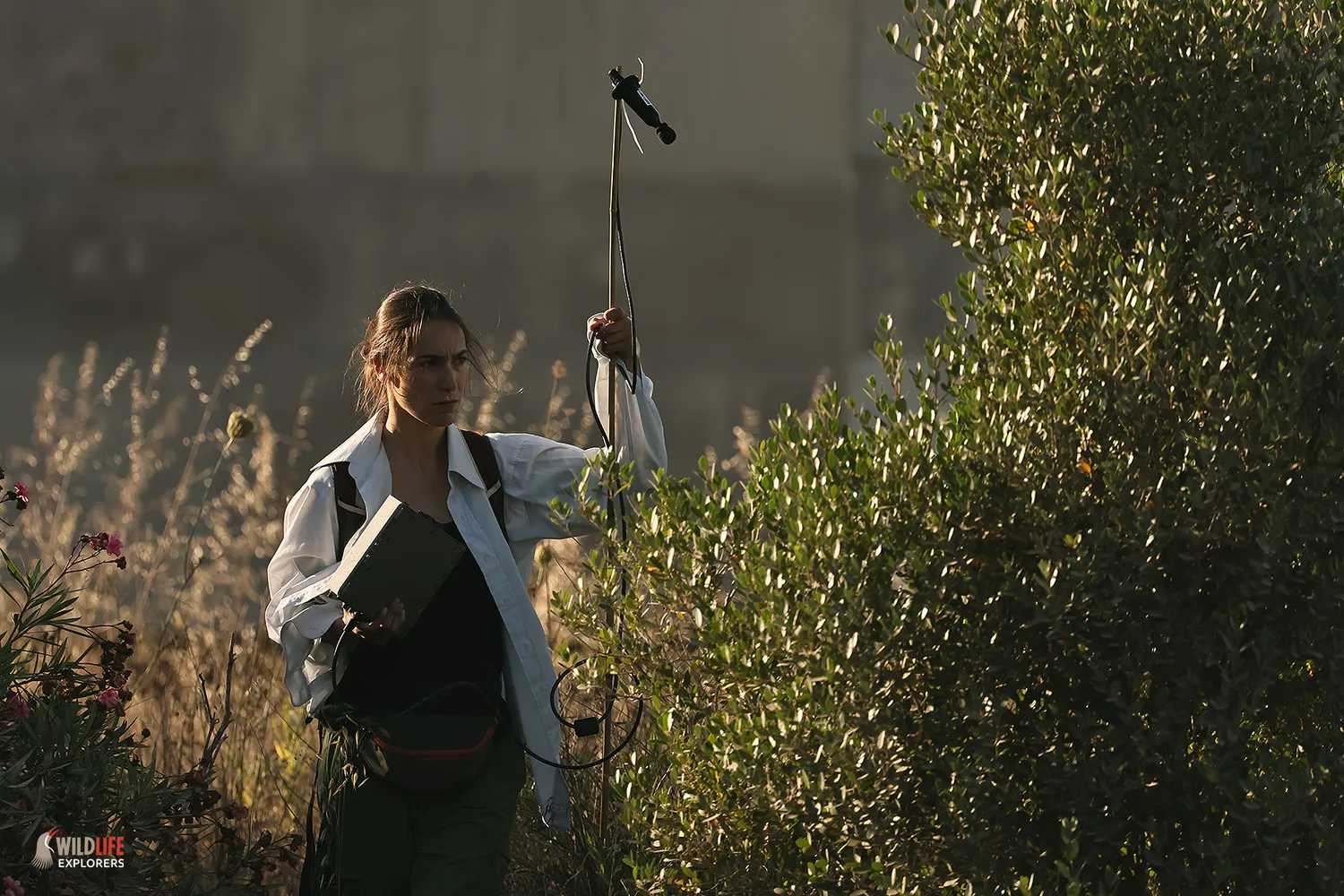
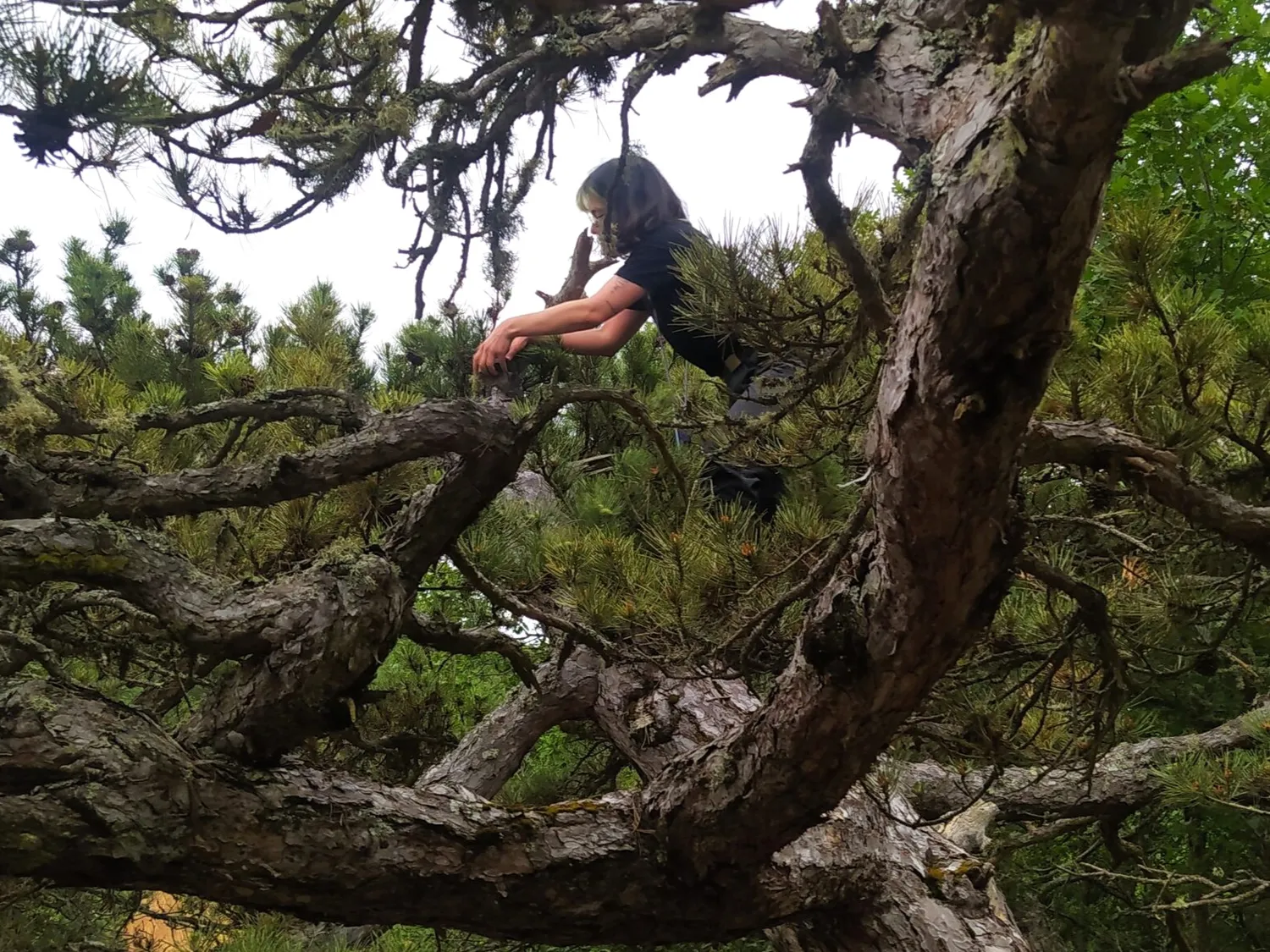
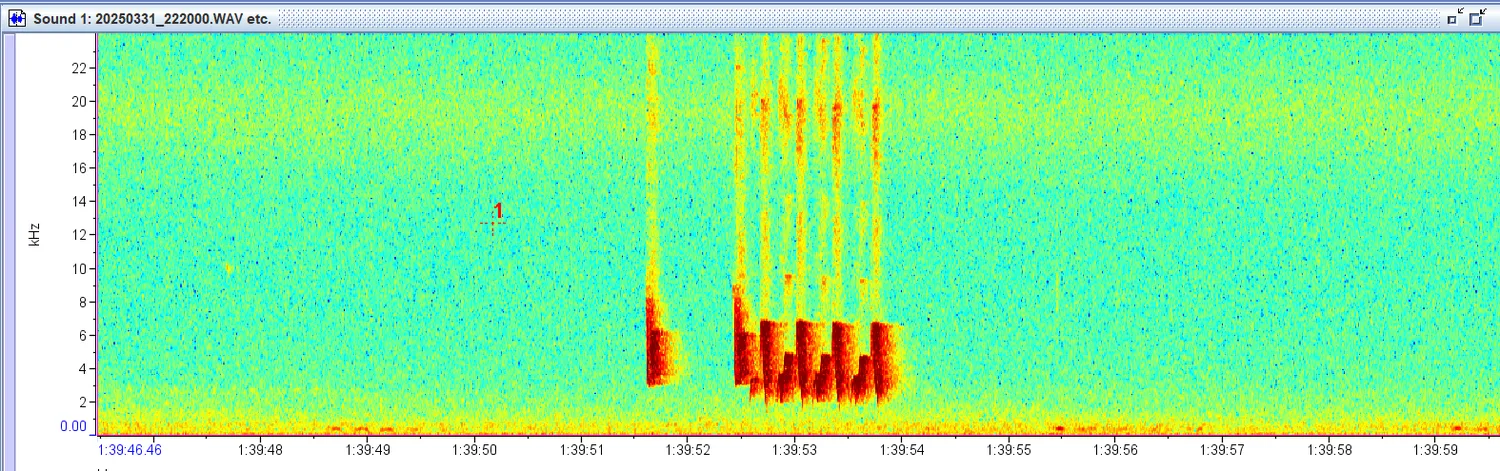
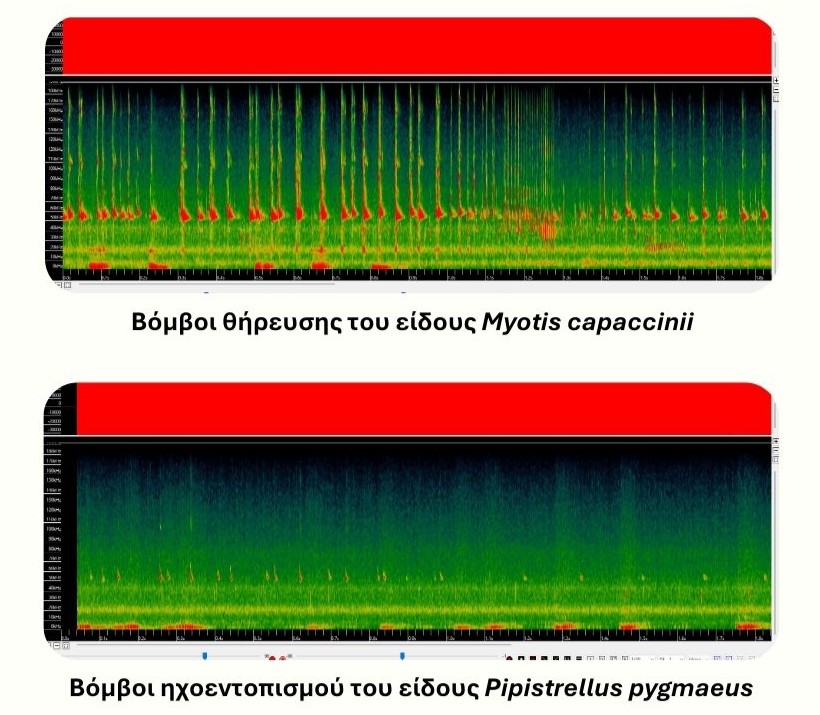
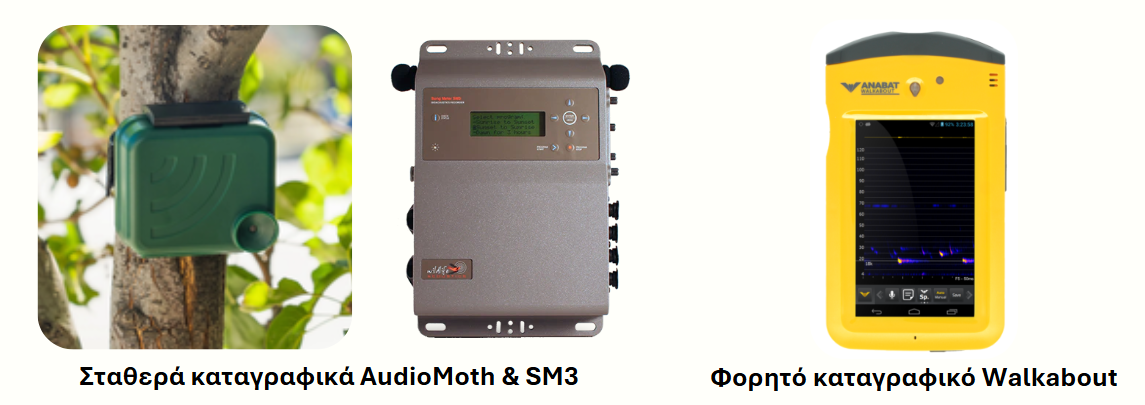
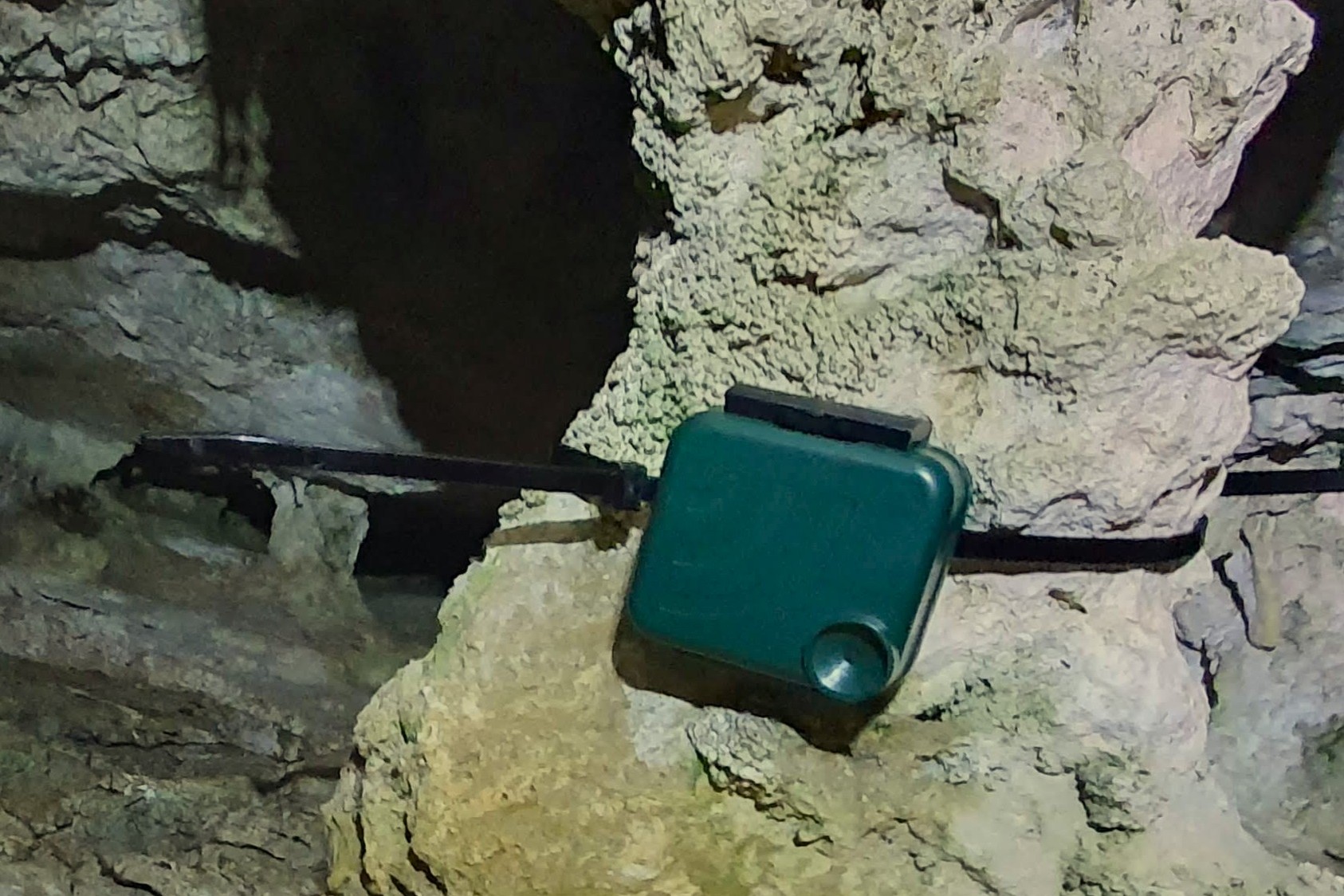
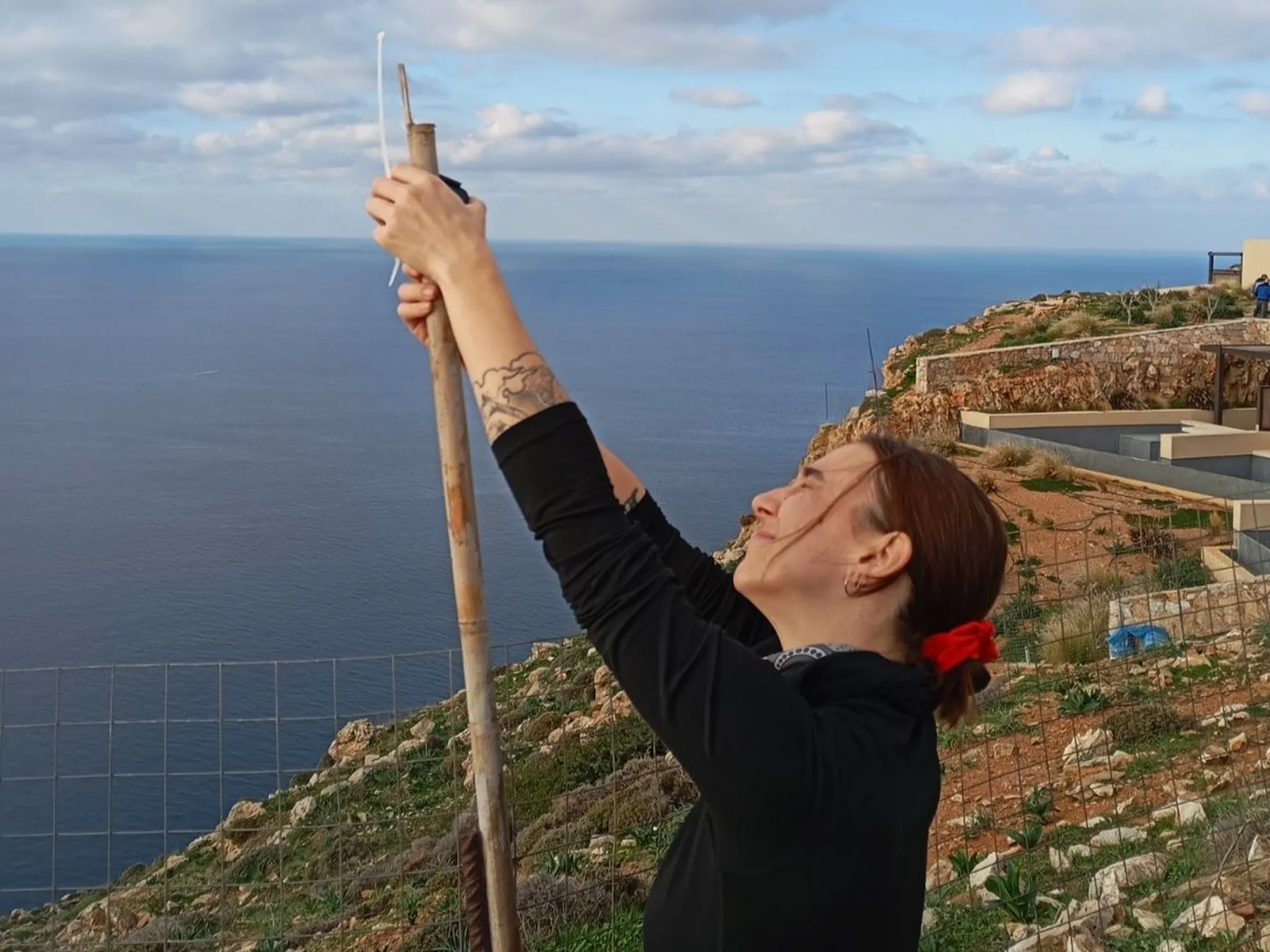
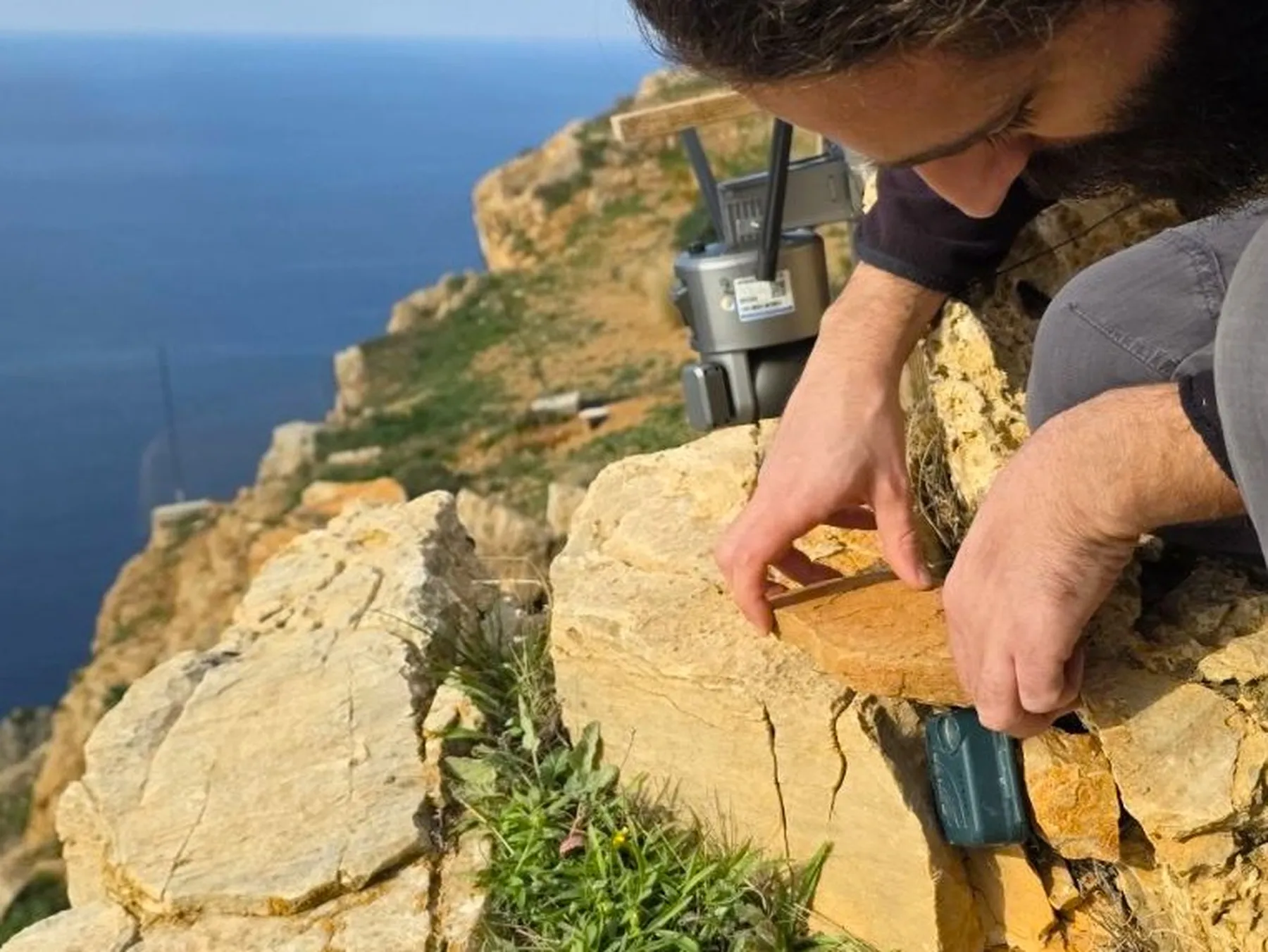
Click on the slider to open it as lightbox (clicking on ⓘ will also display the captions).
.
BIRDWEATHER
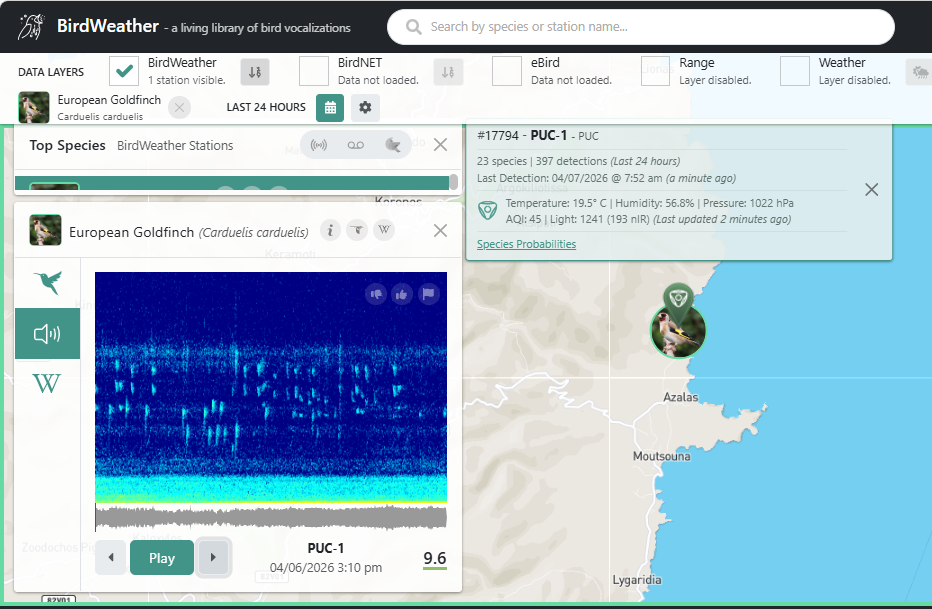
The use of the BirdWeather platform represents a new and innovative approach, as it enables the automated detection and identification of birds through their calls. By utilizing field audio data, it becomes possible to continuously record the presence of species without the need for direct human observation. The recording stations operate in real time and collect data that contribute to bird monitoring and to understanding the presence and activity of species.
The PUC devices are installed in selected areas. Their placement enables continuous monitoring of bird migration, as they are situated at strategic points along a migratory corridor in the Aegean Sea.
.
Photos and results of the BirdWeather stations:
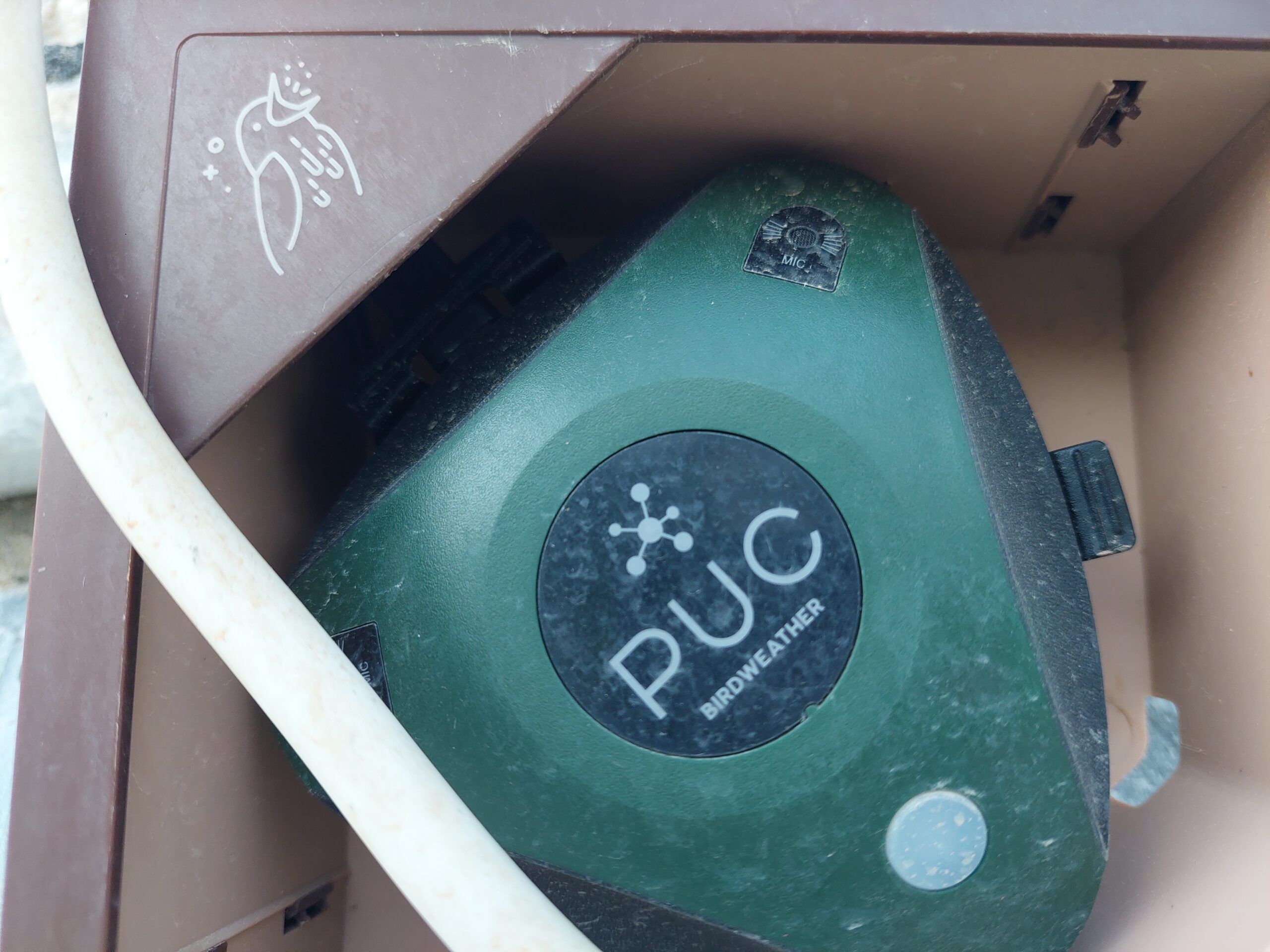
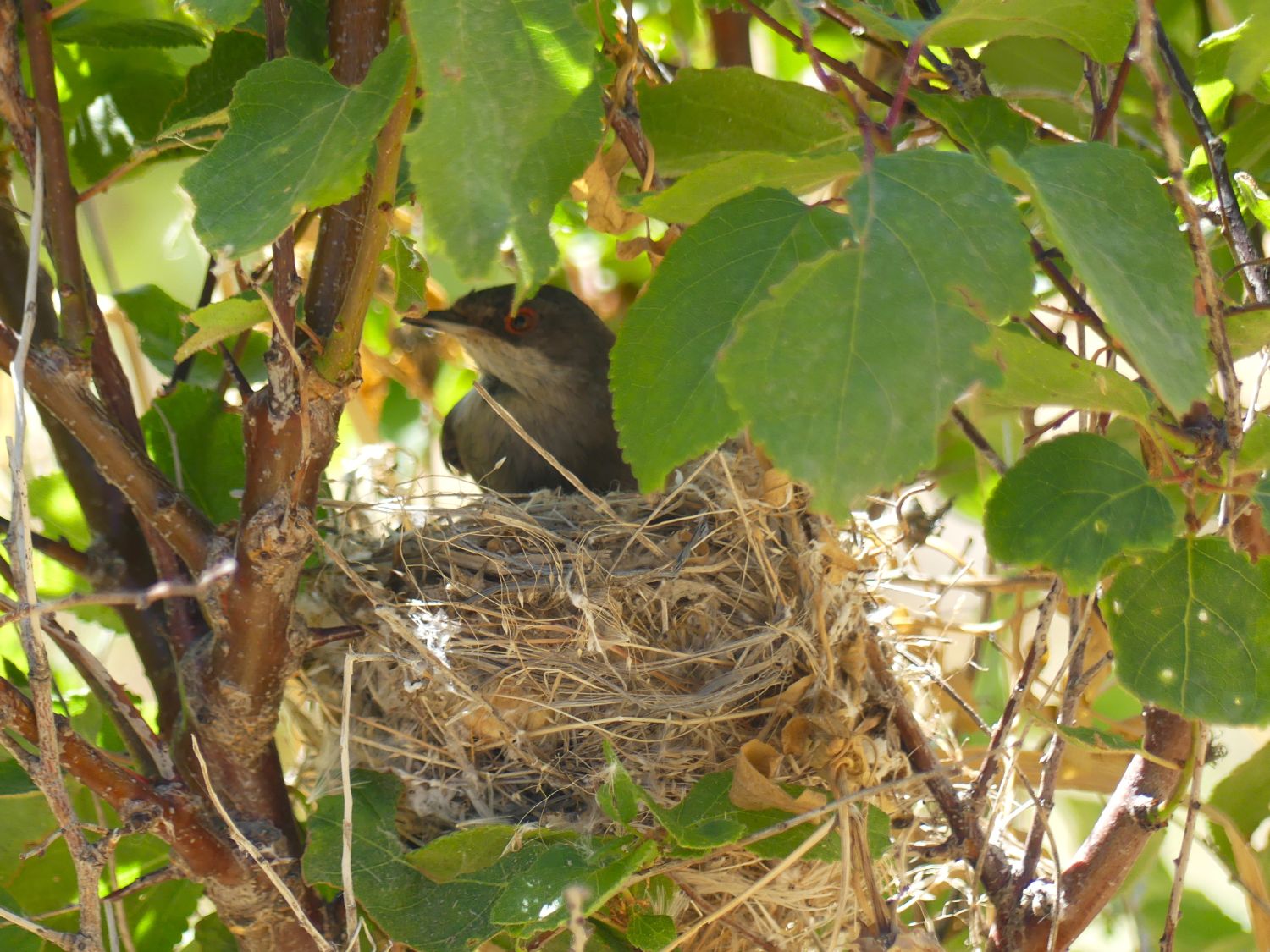
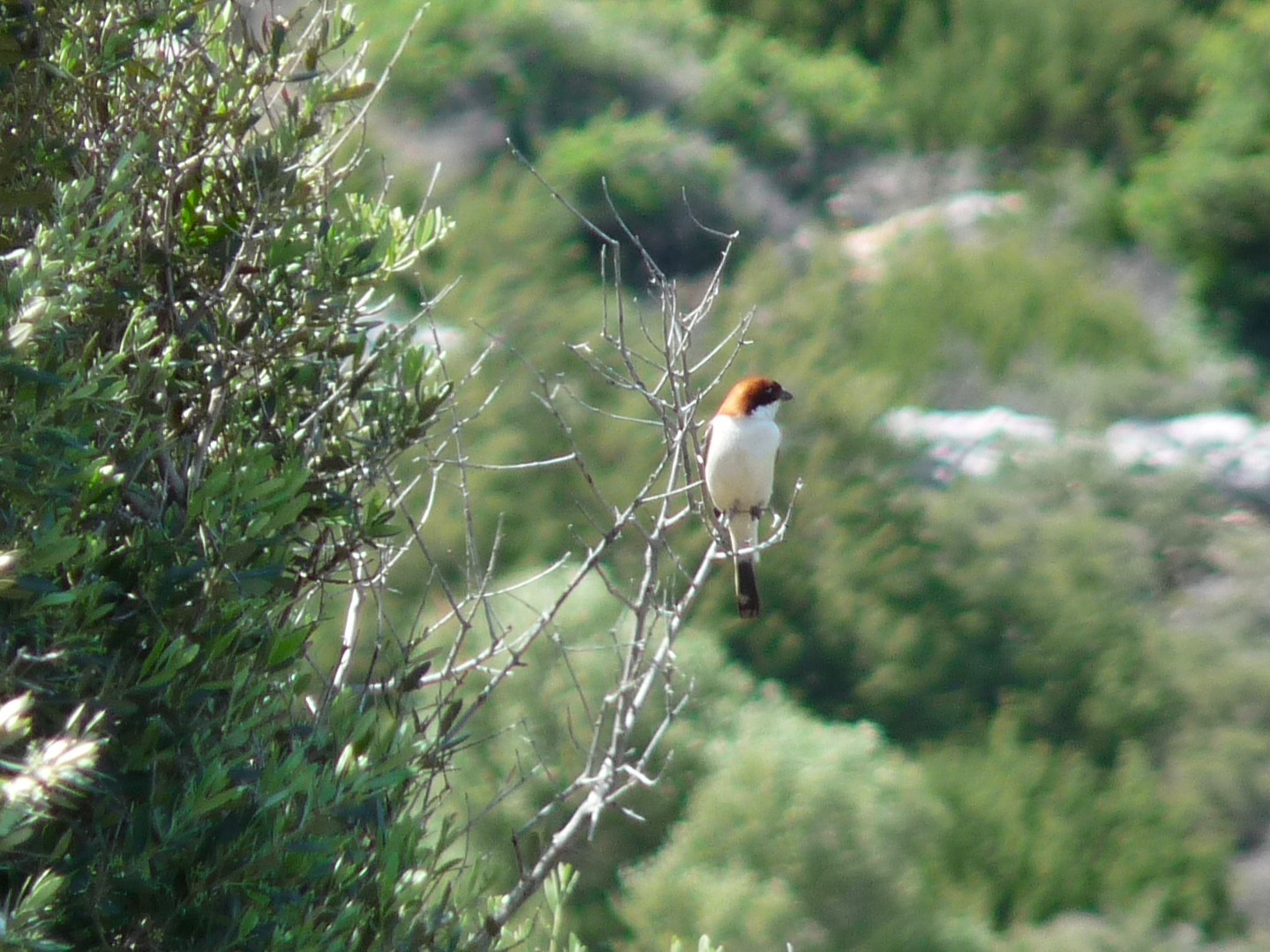
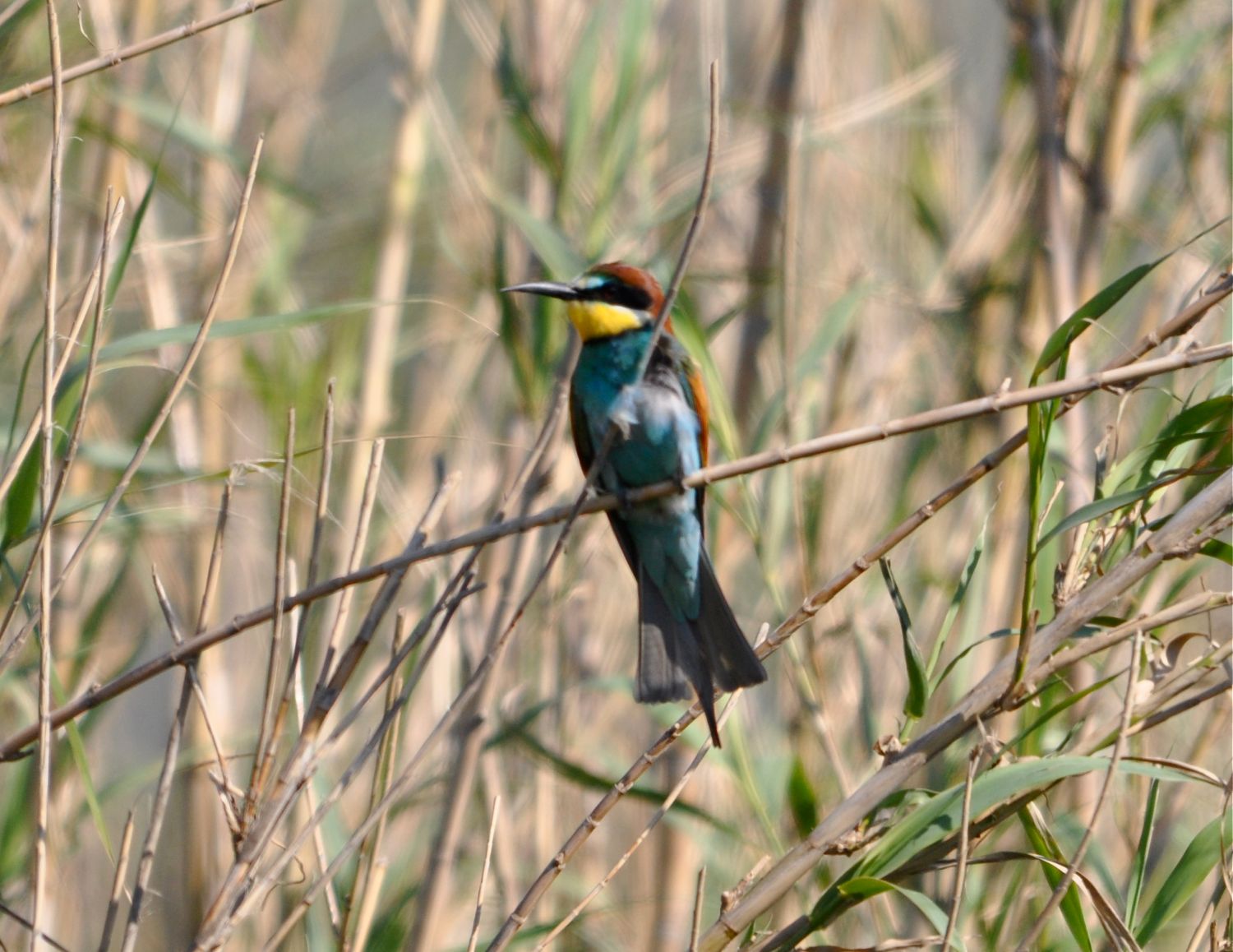
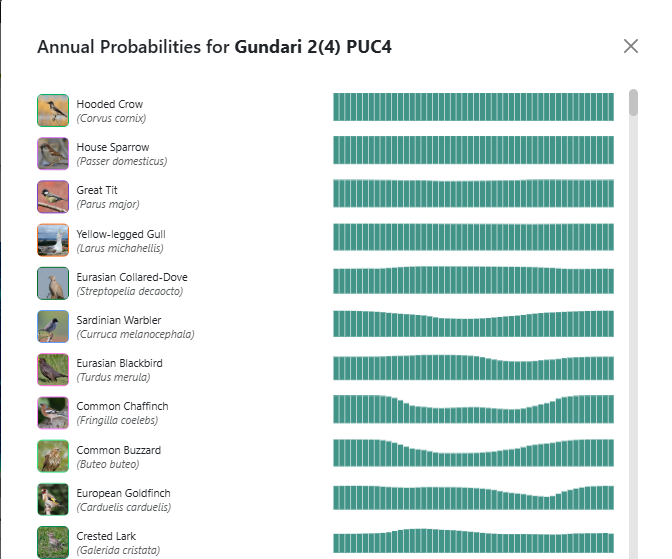
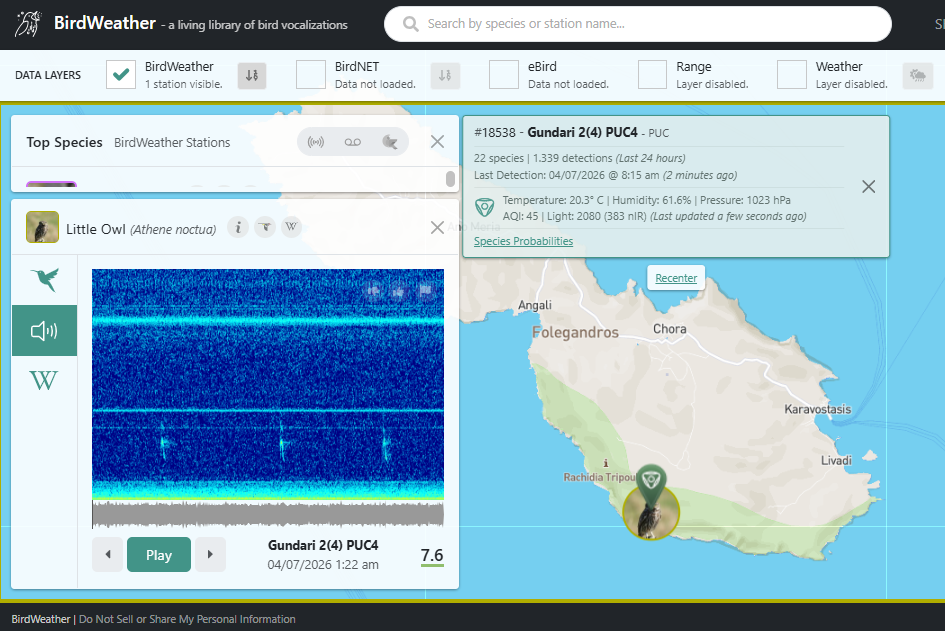
Click on the slider to open it as lightbox (clicking on ⓘ will also display the captions).
.
ARTIFICIAL INTELLIGENCE
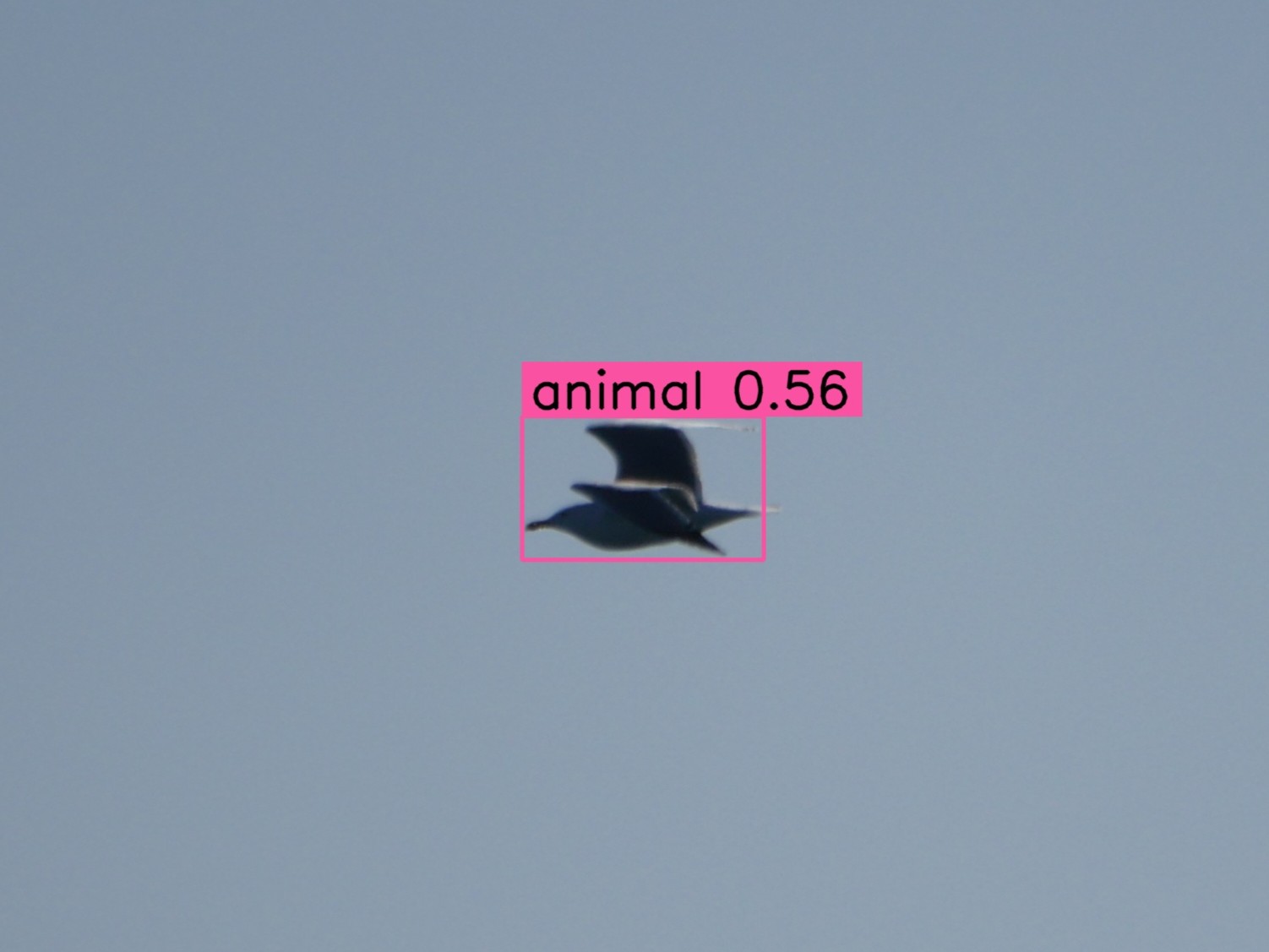
NCC uses artificial intelligence to identify various species of fauna from recorded files, such as photographs, videos, and audio files, as a fully automated and rapid method. Processing data through artificial intelligence provides the ability to obtain information to a much greater extent than traditional methods and therefore contributes significantly to our understanding of the environment.
We are constantly updating our methods for processing the large volume of information generated by our monitoring systems, and we use all relevant available artificial intelligence applications as well as specialized software tailored to the company’s needs and based on the most advanced methods and technologies in the field.
We are constantly investing in exploring the potential of artificial intelligence for monitoring the natural environment. By automating the processing of collected data, we have opened the door to more and more extensive actions.
.
Images processed with artificial intelligence:
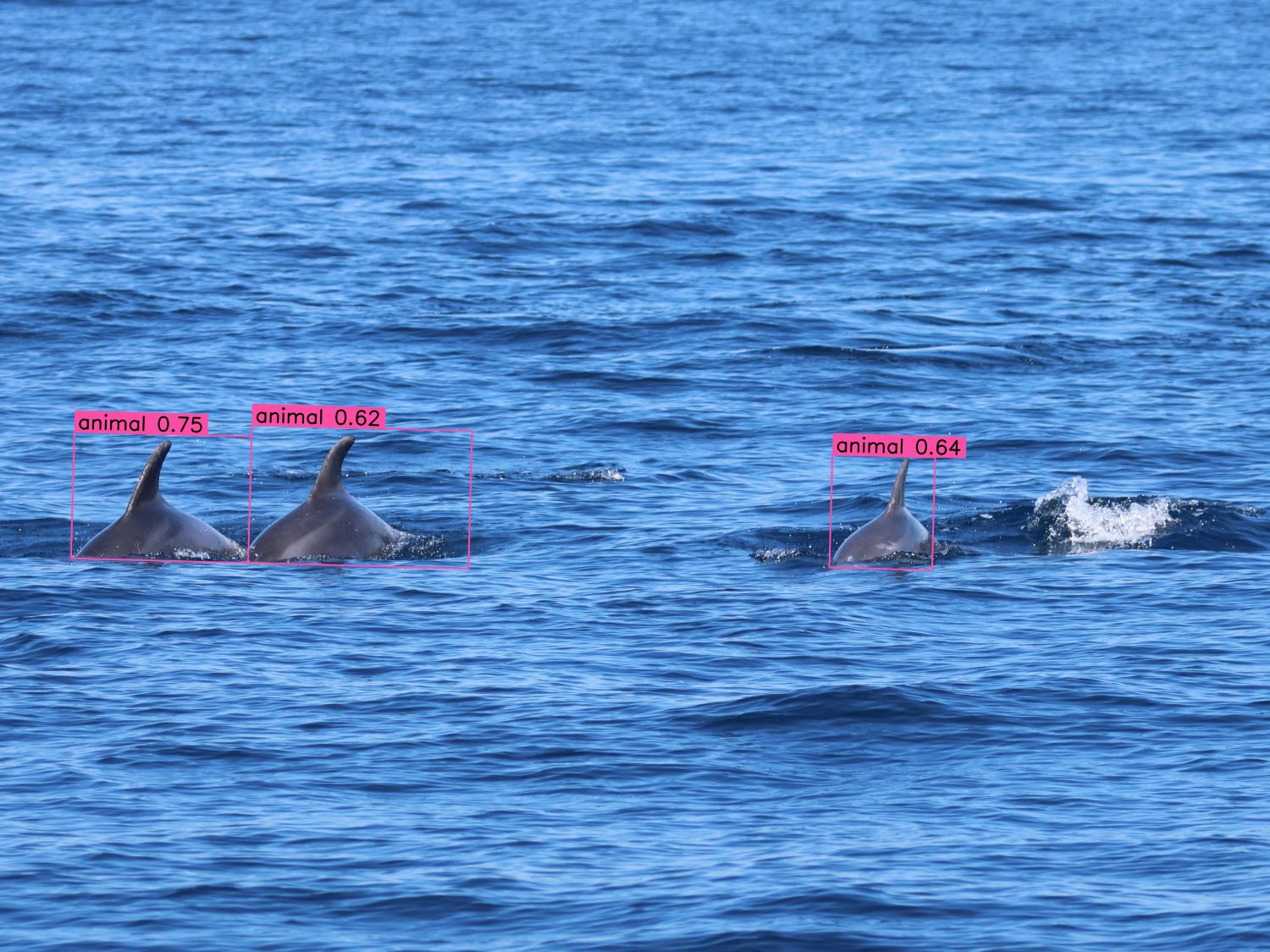
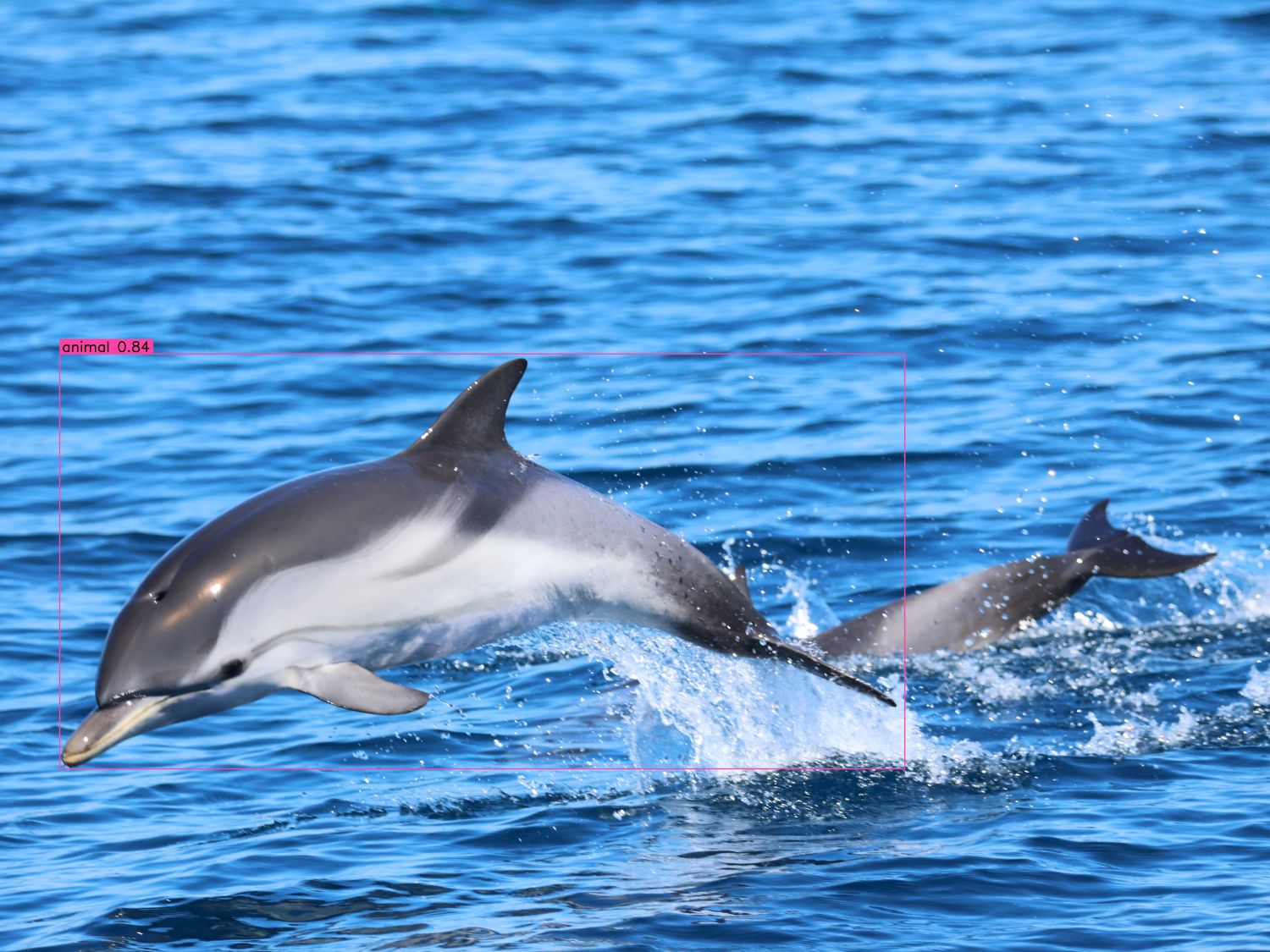


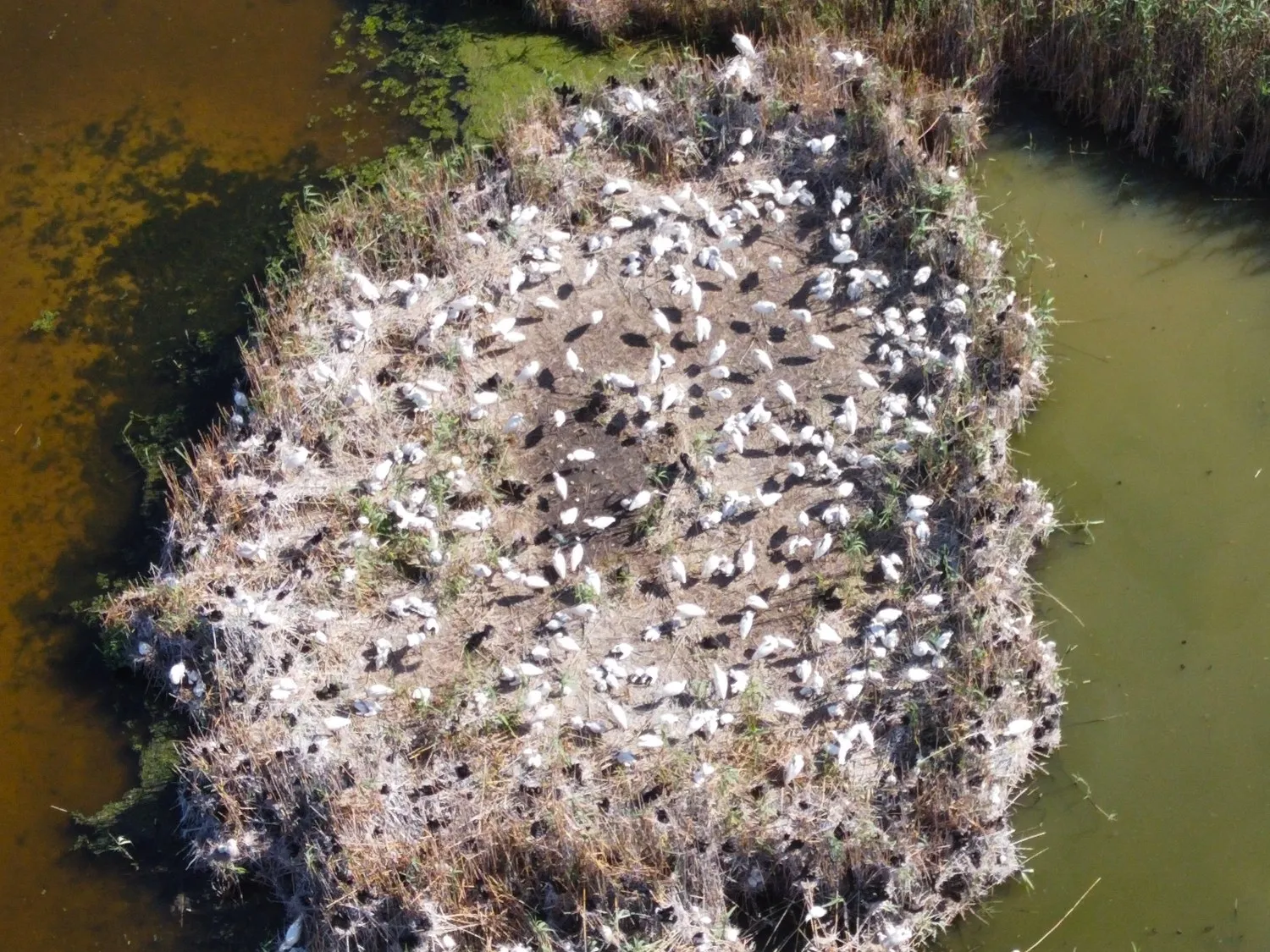
Click on the slider to open it as lightbox (clicking on ⓘ will also display the captions).
.
MANAGEMENT INTERVENTIONS ON SMALL ISLANDS
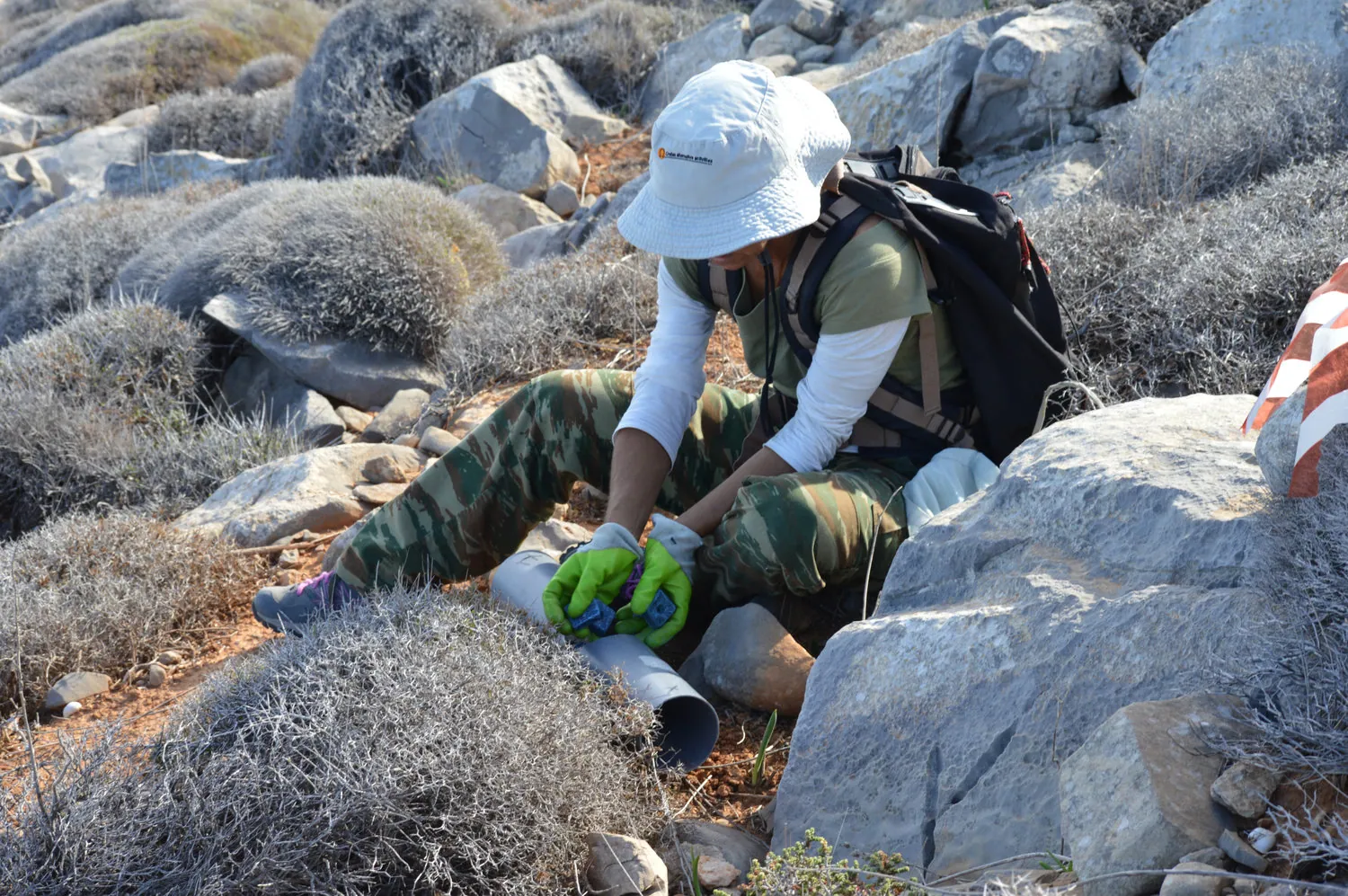
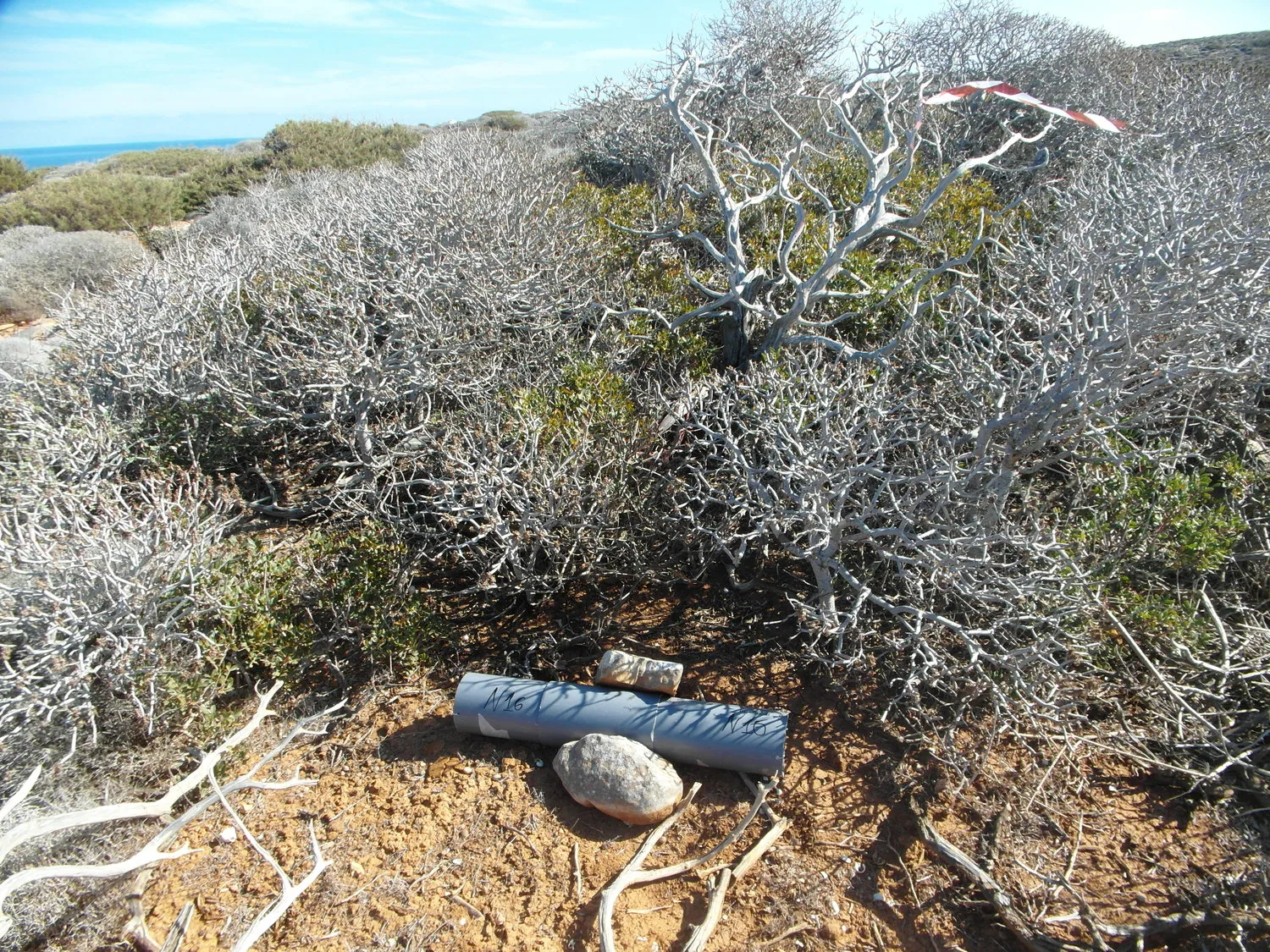
The implementation of management interventions on islets contributes significantly to improving the status of species of interest that inhabit them, while also having an impact on the overall improvement of the status of the islets themselves. The company has long-standing experience in implementing such management interventions, aimed mostly at improving the status of bird species of interest that nest on these islets.
Indicatively, some of the company’s actions are as follows:
– The NCC team has carried out numerous rat eradication actions on islets where seabird colonies and Eleonora’s falcons are found, including the largest such action to date in Greece, which was implemented as part of the LIFE ElClimA project, that won the European Commission’s first prize for the best LIFE program in terrestrial habitats for 2022.
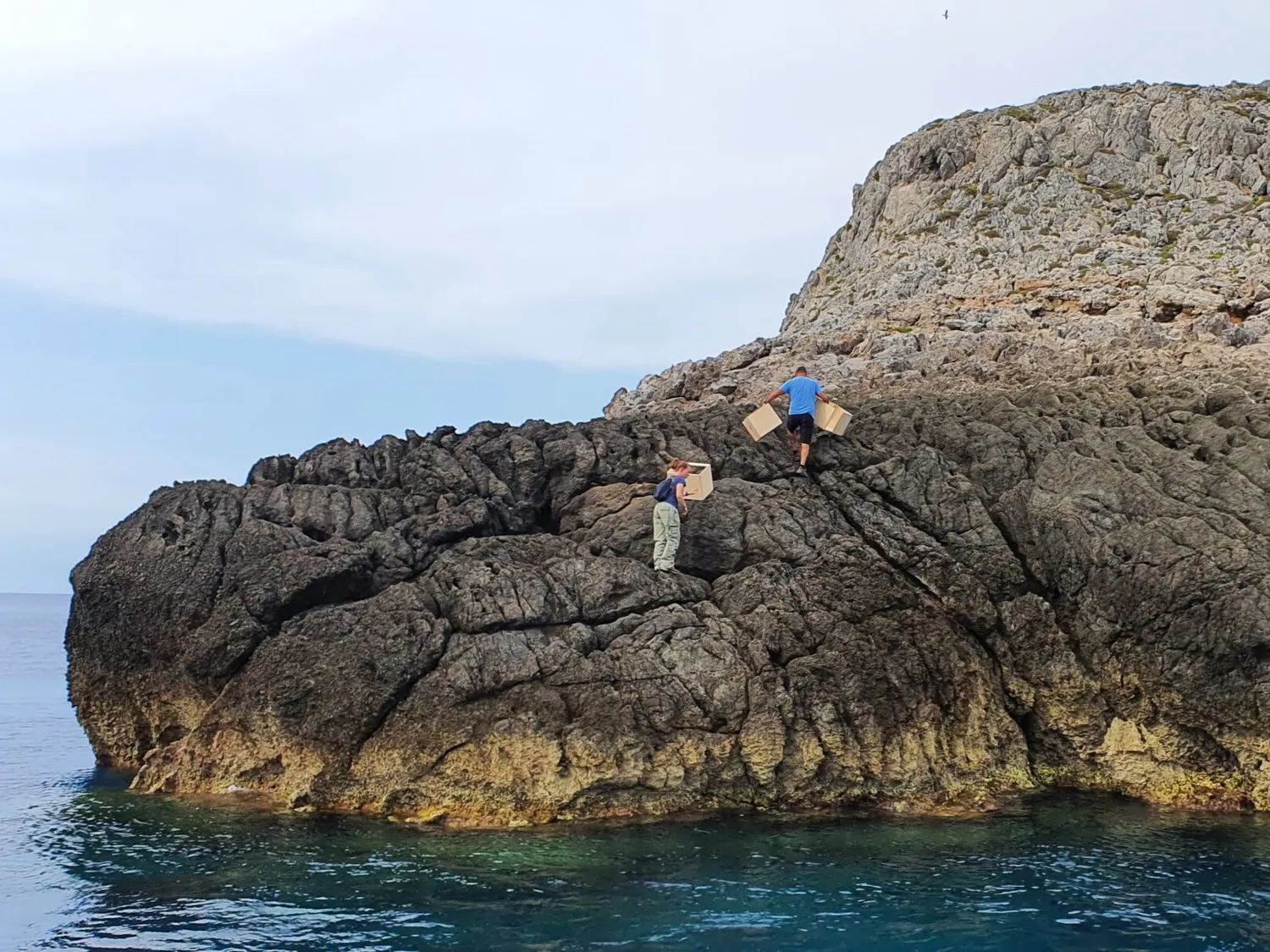
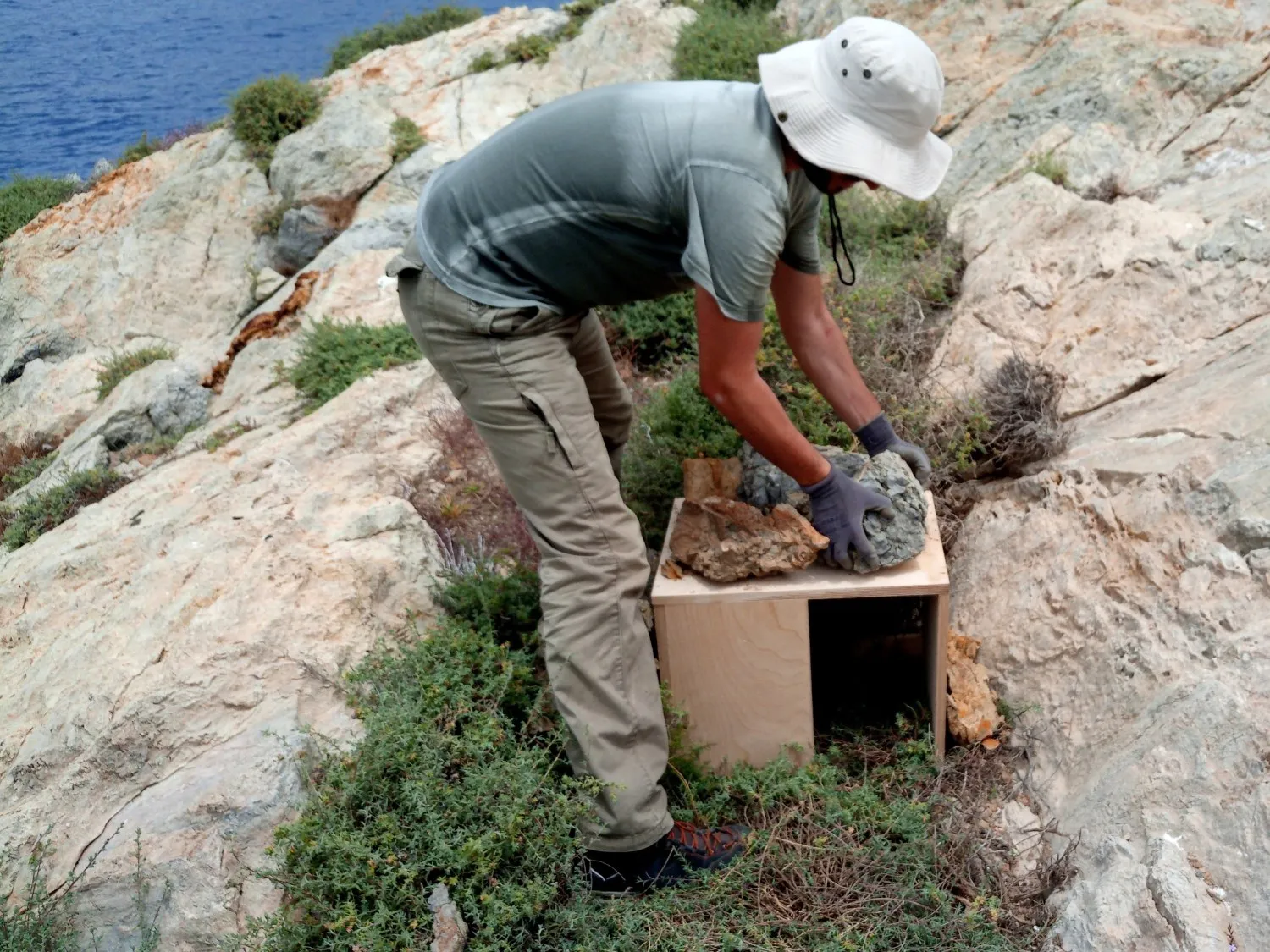
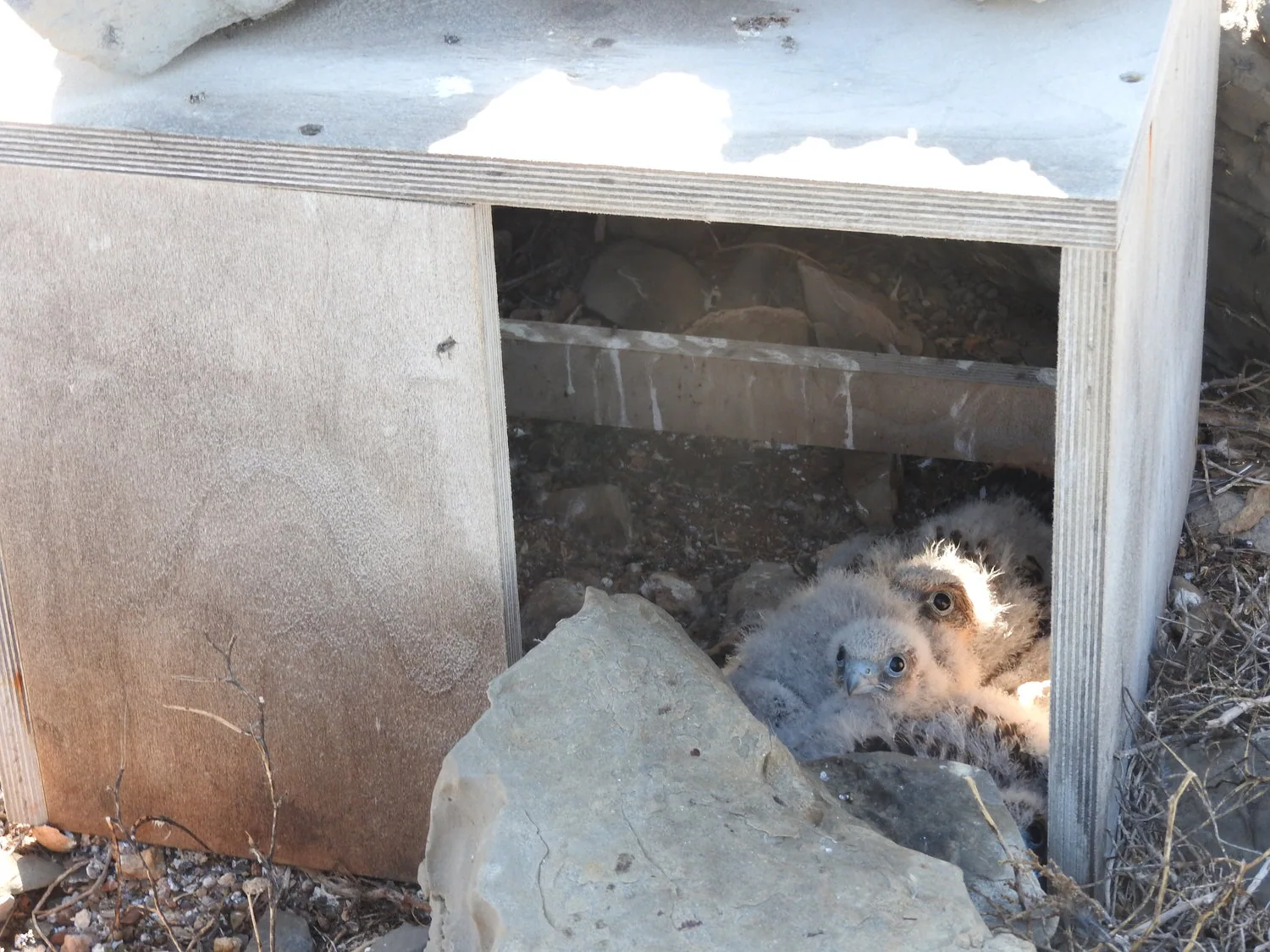
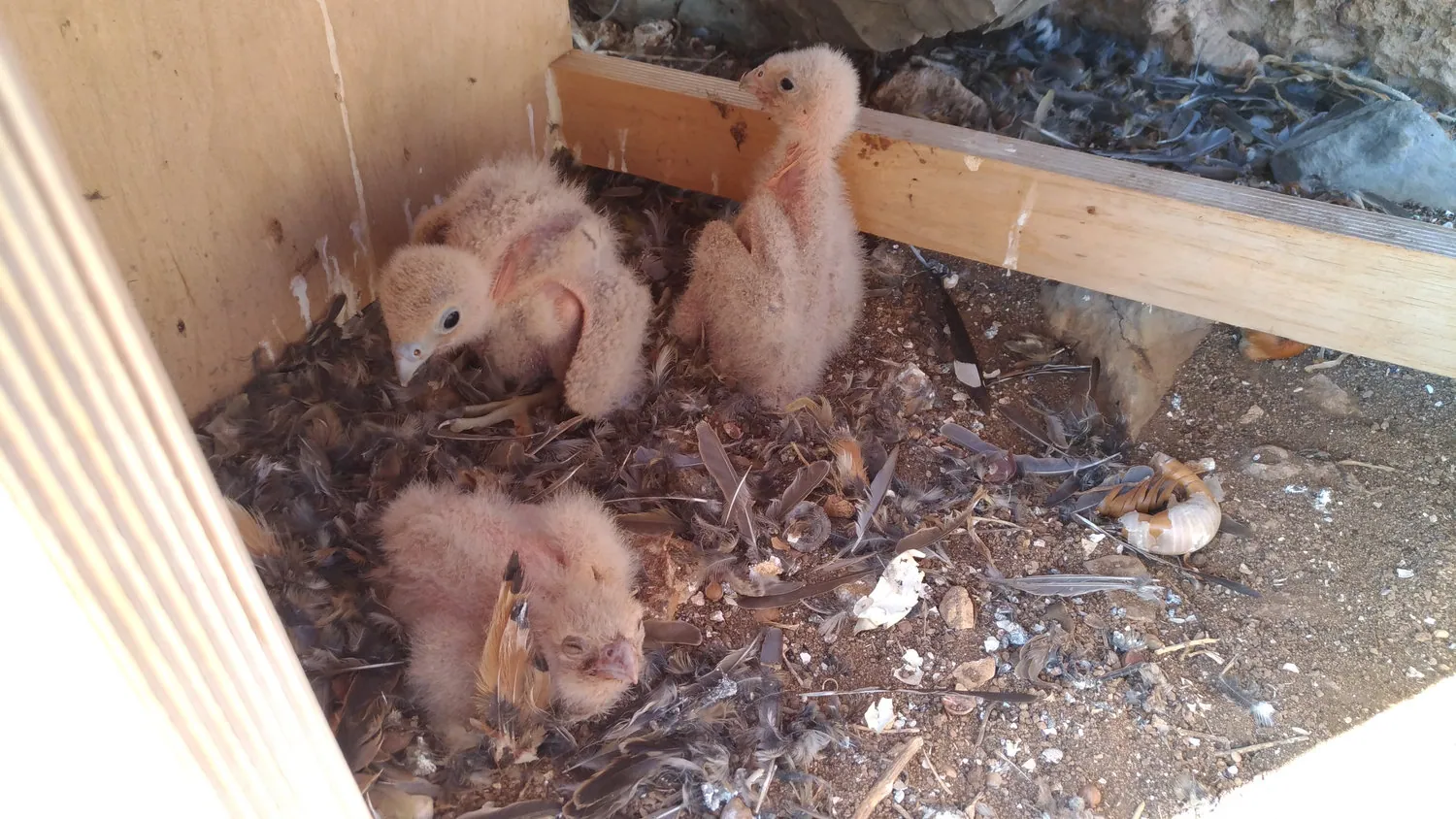
– To improve the availability of nesting sites for Eleonora’s falcons on islets, the company manufactures and installs artificial nests. Such actions have been carried out as part of the LIFE ElClimA & LIFE ANDROSSPA projects and in collaboration with OFYPEKA in the Dodecanese.
– To reduce predation of Aegean seagull eggs and chicks by Yellow-legged gulls and reduce competition for nesting sites, the company has controlled Yellow-legged gull populations on islets.
As part of the LIFE BONELLI EASTMED program and in collaboration with the Natural History Museum of the University of Crete, the Ornithological Society, and the Ministry of Environment and Energy, NCC installs small water collection points for wildlife on uninhabited islets, as well as rafts to prevent birds from drowning in open water reservoirs.
.
Photos related to interventions on islets:
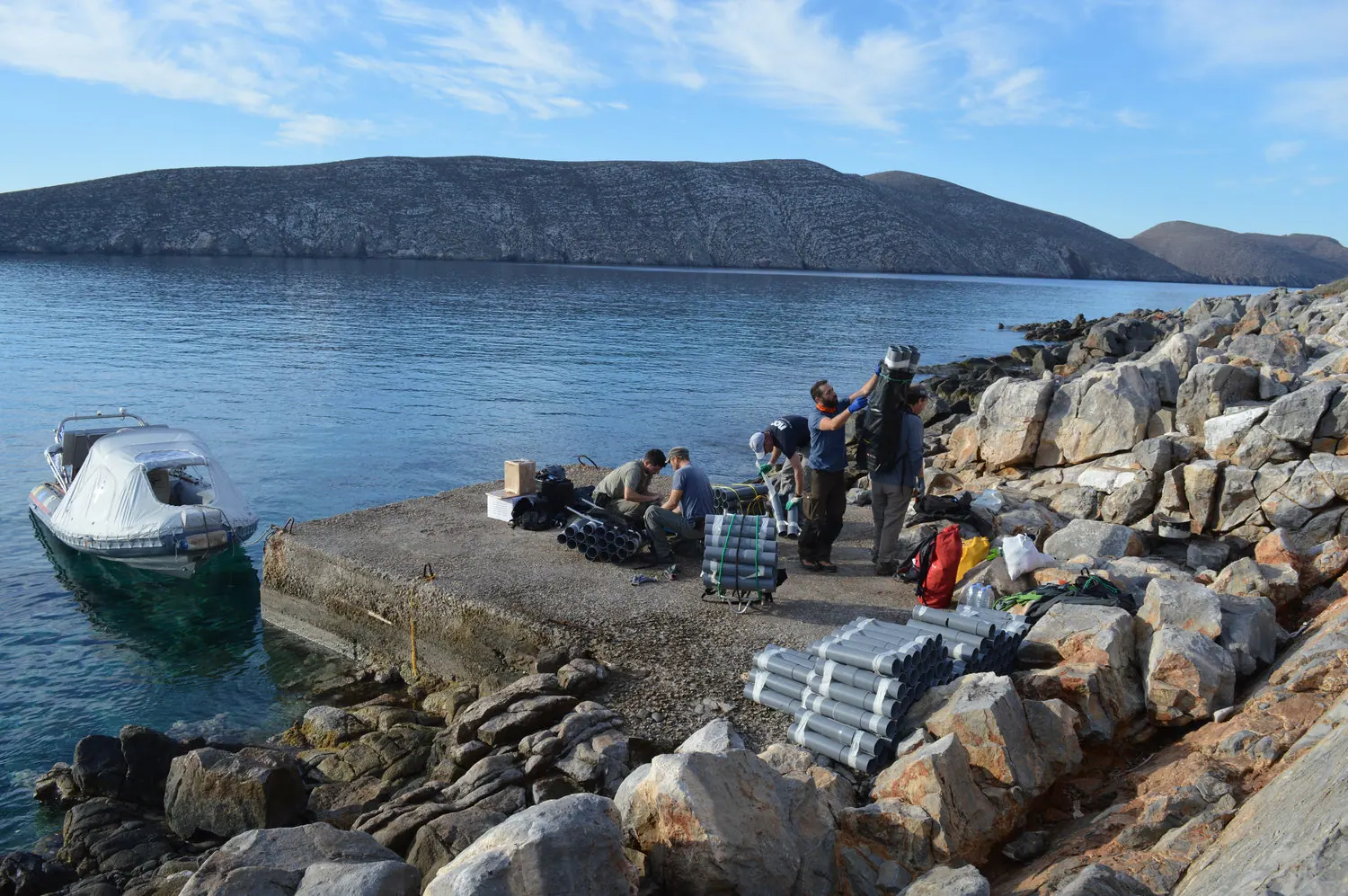
Click on the slider to open it as lightbox (clicking on ⓘ will also display the captions).
